We use cookies to personalize content and analyze traffic. We share information about your usage with our partners, who may combine it with other data.
Read more

INB Team
August 12, 2026


Native advertising for affiliates is often underestimated. At first glance, it seems simple: write an intriguing headline, choose an image, launch traffic, and wait for leads. But this apparent simplicity is exactly where budgets are often lost.
In the nutra vertical, native advertising requires a more subtle approach. The goal is not simply to get a click, but to guide the user from initial curiosity to submitting an order. The same offer can produce very different results depending on the GEO, pre-landing page, presentation format, and even how closely the headline matches the user’s expectations.
In this article, the INB.bio team will explain how native advertising works, how it differs from push traffic and Facebook, which formats are worth testing, where moderation issues most often arise, and how to determine whether this traffic channel is suitable for your offer.
Native advertising is a format in which an ad looks like a natural part of the website where the user sees it. It is not a banner placed at the side of the page, a pop-up message, or a direct sales pitch such as “Order now.” Most often, it appears as a content card with an engaging headline and image placed alongside news, articles, or recommended reading.
The main difference between native advertising and other formats is that it does not push the user towards a purchase immediately. Instead, it captures interest first and then gradually introduces the offer.
The journey usually looks like this: interest in the topic → click → pre-landing page or story explaining the problem → link to the landing page → detailed product information → order submission
For example, someone is reading the news and sees the headline: “How to reduce joint pain without surgery.” If they click and immediately land on a page showing a jar of Chondrolax and an order form, their first reaction may be irritation: “They are trying to sell me something again.”
Now consider a different scenario. After clicking, the user sees an article or a personal story told from the perspective of a real person. The text describes a familiar problem: difficulty getting out of bed in the morning, aching knees after walking, and familiar methods that no longer work. The reader then learns that the person tried several approaches, became disappointed, explains why they decided to try Chondrolax, and only then shares a link to the product with a message such as: “It helped me, so perhaps it could help someone else too.”
The experience feels completely different. The user does not feel pressured into buying. They recognise a situation similar to their own, gradually understand the reasoning behind the solution, and only then become ready to consider the offer.
That is why an affiliate needs to guide the user through this journey correctly. The headline should address a real problem, the image should strengthen curiosity, the pre-landing page should build trust and convince the user that the content is relevant to them, and the offer should feel like the logical next step. The goal is not to sell aggressively, but to create the conditions in which the user reaches the purchase decision independently.
Native advertising is often compared with push traffic and Facebook, but this comparison is not entirely accurate because these are different traffic sources with different ways of engaging users.
Push works quickly: you show a short message, get a click, and immediately test the reaction. Facebook offers more targeting options, but requires more careful work with accounts, creatives, and moderation. Native advertising sits somewhere in between. It is not as fast as push, but it provides more room to explain the value of an offer through a pre-landing page or article.
The main question is therefore not “Which one is better?” but “Which one works best for this particular offer, GEO, and budget?” One channel may perform better during the first test, another may be stronger for scaling, and a third may provide higher-quality leads.
| Traffic source | Average CPM | Where it works best | Approval-rate trend | Launch difficulty |
| Push | Low | Nutra COD, simple offers, quick tests, GEOs with inexpensive traffic | Depends on audience quality, creative, and lead-processing speed | Low or medium |
| Native advertising | Medium | Nutra, finance, health, and products that need to be explained through a story or problem | More stable with a well-warmed campaign funnel, but not always fast at the beginning | Medium |
| Medium or high | Visual offers, broad audiences, scaling, and localised creatives | Can be high with the right audience and pre-landing page, but moderation is stricter | Medium or high |
Push is convenient when you need to test an offer quickly. For example, you choose a new GEO, prepare several simple creatives, and see whether users respond. It is a good option for an initial test, especially when you need to collect basic data quickly: CTR, CR, cost per lead, and lead quality.
However, push does not always provide enough space for more complex products. If an offer requires explanation and the user has not yet fully recognised the problem, a short notification may not be enough. This is where native advertising has an advantage: it allows you to begin with a relatable situation rather than the product itself.
Facebook has different strengths. It gives you more control over the audience, visuals, and segmentation tests. At the same time, it also brings higher competition, stricter moderation, risks to advertising accounts, and the need to update creatives constantly. This can be difficult for beginners.
Native advertising for affiliates works particularly well when an offer cannot be sold in a single sentence. If users need an explanation of why joint pain should not simply be blamed on age, why blood sugar control matters, or why men’s health concerns should not be ignored, an article format often works better than a standard landing page.
At INB.bio, we see that native advertising performs well in MENA and in several West African markets, especially when used alongside push traffic. According to our internal GEO data, approval rates for these campaign setups often remain within the 20–26% range.
🌿 Read also: “Passive income in affiliate marketing: reality or myth”
Choosing a native advertising network based only on cost per click is an unreliable strategy. The traffic may look attractive on paper, but if the leads are not confirmed, the campaign economics quickly fall apart.
The best native ad networks for affiliates are the ones that match your specific objective: launching an initial test, scaling a proven campaign, entering a new GEO, or finding a higher-quality audience for a more complex offer.
Payment model: CPC, meaning you pay for each click. Automated bidding strategies are also available to help optimise campaigns for conversions.
Minimum budget: there is no publicly stated fixed minimum deposit. For a realistic test, it is better to plan a daily budget of at least $100–200, especially if your target cost for a confirmed order is around $20. A smaller budget may not generate enough data to draw meaningful conclusions.
GEOs where it is commonly used: the United States, Europe, Latin America, and parts of MENA. These are markets with high volumes of open-web traffic, where users actively read news, articles, and recommended content.
Who it is suitable for: affiliates who already have a prepared campaign funnel, including an offer, pre-landing page, several headlines, localised images, and a budget for optimisation. Taboola is not the best choice for a quick two-day test, but it is well suited to scaling once an offer has already shown potential.
Payment model: CPC, meaning you pay for clicks within the budget you set.
Minimum budget: there is no universal fixed minimum. In practice, the budget should cover more than the first few clicks. It should also allow you to test several headlines, images, and pre-landing pages. This network is generally not used for a small $20 test.
GEOs where it is commonly used: the United States, Europe, English-speaking markets, and large open-web audiences. Outbrain may also be considered for selected MENA campaigns if you have a strong content-based pre-landing page.
Who it is suitable for: affiliates who want to use a more editorial style, such as a personal story, product review, or problem-based explanation. In the nutra vertical, this is useful when the user needs to be guided towards a purchase decision through written content.
Payment model: primarily CPC. The platform also provides automated optimisation tools that can improve performance after the first set of data has been collected.
Minimum budget: the minimum deposit is $100, but MGID recommends starting with at least $650 to collect enough statistics for a meaningful test.
GEOs where it is commonly used: MENA (Algeria, Morocco, and Tunisia); Africa (Kenya, Côte d’Ivoire, and Tanzania); Latin America (Venezuela); and Asia (Pakistan).
Who it is suitable for: affiliates who want to test several hypotheses without the larger budgets typically associated with Taboola or Outbrain. Even here, however, the funnel still needs to be logical: headline → pre-landing page → offer
Payment model: CPC or vCPM, allowing you to pay either for clicks or viewable impressions.
Minimum budget: when creating a campaign, RevContent displays a minimum daily budget starting from $50. For a complete test, however, it is better to plan more so that the campaign does not stop after the first few clicks and can collect enough data for optimisation.
GEOs where it is commonly used: the United States, English-speaking markets, and major publisher websites. For Tier 2 and Tier 3 markets, it should be tested more carefully and preferably with an already validated marketing angle.
Who it is suitable for: affiliates who already have a tested pre-landing page and want to reach a broader audience. In health-related verticals, it is important not to overuse clickbait because the platform is sensitive to exaggerated promises.
Payment model: CPC or CPM depending on the format and campaign settings. The dashboard allows you to review bids, impression volumes, and competition by GEO.
Minimum budget: full access to the platform’s functionality becomes available after a deposit of at least $150.
GEOs where it is commonly used: Tier 2 and Tier 3 markets, Asia, Latin America, Africa, and MENA. The network is useful when you need to assess available traffic volumes and bids for a particular country.
Who it is suitable for: affiliates launching their first tests or those who want to add another traffic source to an existing profitable campaign funnel.
Payment model: native advertising and in-feed formats. The exact payment model and terms should be confirmed with the manager or checked in the platform before launch.
Minimum budget: determined individually before the campaign starts.
GEOs where it is commonly used: a broad international network, including Tier 2 and Tier 3 markets. It may be considered for countries where a lower-cost entry point and testing of simple creatives are needed.
Who it is suitable for: affiliates who want to test a hypothesis with a smaller budget.
A traffic source alone does not make a campaign profitable. Profit appears when the network, offer, country, audience, and creative angle all align. Before launching, it is worth checking current approval rates, comparing several GEOs, and discussing the campaign with a manager who has access to real offer performance data.
🌿 Read also: “Affiliate marketing without a website: 5 paid methods that actually work”

In native advertising, it is not the individual banner that matters, but the entire campaign funnel: the headline, image, pre-landing page, and the way the offer is presented. The pre-landing page plays the biggest role because it explains the problem and prepares the user to submit a lead.
These three formats are used most often.
This is the personal experience of a male or female character. The person explains what problem they faced, how it affected their life, what they had already tried, and how they discovered the product.
Example: “I could not even climb the stairs: how I managed to feel comfortable moving again.”
On the pre-landing page, the woman describes how joint discomfort made it difficult for her to walk, work, and take care of the house. She tried different exercises, massages, and home remedies, but the results did not last. Then a friend told her about Chondrolax, and she decided to try it. She was impressed by the result, so she recommends this natural product.
Keep in mind that the offer should not appear in the first paragraph. First, the problem should be described, then the search for a solution, and only after that should the product be introduced.
This is content presented as an explanation or an interview with an expert. There is less emotional storytelling and more logic: why the problem develops, which habits make it worse, and what can be changed in everyday care.
Example: “The habit that is quietly damaging your joints: an expert explains how to stay active even after 60.”
This type of pre-landing page first introduces the problem, then explains its causes, common mistakes, the role of lifestyle, and natural ingredients. The product is mentioned closer to the end as a solution that combines ingredients for daily joint support.
Keep in mind that there should be no medical promises. Avoid claims such as “treats,” “guarantees results,” or “replaces medical treatment.” It is better to focus on support, comfort, and daily care.
This is a short informational format built around a local trend, the popularity of natural solutions, or a new approach to a familiar problem.
Example: “More people over 50 in Morocco are looking for natural joint support.”
You can then explain why the topic is relevant, which problems affect the audience every day, why people are paying attention to natural formulas, and only after that move on to the product.
Keep in mind that the news format should sound calm and credible. Avoid “sensations,” “secret methods,” and phrases such as “they have been hiding this for years.”
Native advertising does not sell openly. It helps users recognise themselves in the description, become interested in the solution, and only then move towards a purchase.

In native advertising, moderation reviews the entire campaign funnel: the headline, image, pre-landing page, wording on the page, and whether the ad misleads the user.
Problems most often arise because of the following:
Before launching, review the entire funnel from the user’s perspective: is it clear what they are clicking on, do they receive the expected answer on the pre-landing page, are there any exaggerated claims, and does the page look like useful content rather than an aggressive sales pitch?
Good compliance does not make advertising boring. It simply removes the weak points that may cause a campaign to fail moderation, lose user trust, or damage the data before a proper test has even begun.
Native advertising is an ideal tool when you need to build user trust and gently guide someone towards a purchase decision. However, for everything to work, the funnel must be logical and consistent, while the pre-landing page should not look like direct advertising.
Would you like to understand which INB.bio GEOs are best suited to native advertising for affiliates and your traffic source? Register or contact your manager, and we will recommend where it is currently most profitable to work.

Yes, but it is better to test it carefully. You need a proven offer, a pre-landing page, several headline variations, and a basic testing budget. With native advertising, it is important to track not only clicks but also leads, approval rates, and the final cost of a confirmed lead.
The cost depends on the network, GEO, competition, and buying model. However, for a proper test, you need to plan a budget not for one day, but for collecting data: testing creatives and pre-landing pages, excluding weak placements, and completing the first round of optimisation.
Push often provides the first data more quickly, while native advertising works better when the offer needs to be explained through a story, a problem, or a relatable real-life situation.
Yes, you will usually need a pre-landing page: a separate page presented as an article, story, or review. It sits between the ad and the product landing page. First, it explains the problem and builds the user’s interest, and only then directs them to the offer.
Without this step, users often reach the sales page too early and simply close it.
Do not look only at the vertical. Consider the GEO, audience, product complexity, and whether the offer can be explained through content. If the product requires the audience to be warmed up before the sale, native advertising may be a better option.
Yes, but not to copy them exactly. The query how to spy on competitor ads affiliate marketing should be treated as market research: which headlines, pre-landing pages, GEOs, and creative angles other affiliates are already using, and which of those ideas can be adapted to your own campaign funnel.
We operate across 15+ countries with low competition and exceptional profit potential. Our focus covers high-growth regions for scalable traffic and conversions.


3+ offers

22% app.

2+ offers
23% app.

15+ offers
24% app.

9+ offers
24% app.

8+ offers
23% app.

2+ offers
21% app.

1+ offers
16% app.

3+ offers
20% app.
Our product line is built for results: every offer is tested, localized, and ready to scale.

Hearing

Morocco
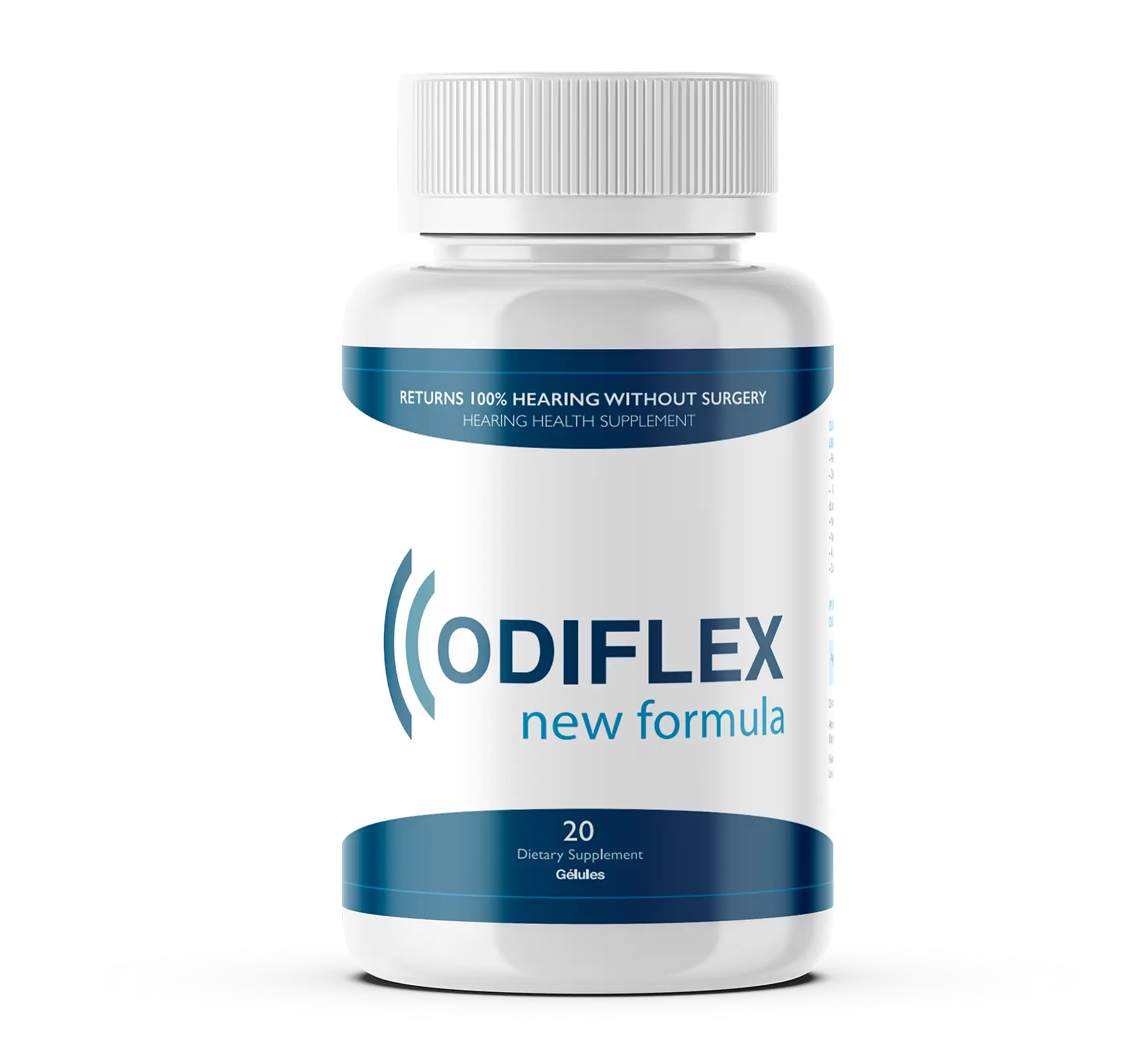
$19
/lead
Joints
Pakistan
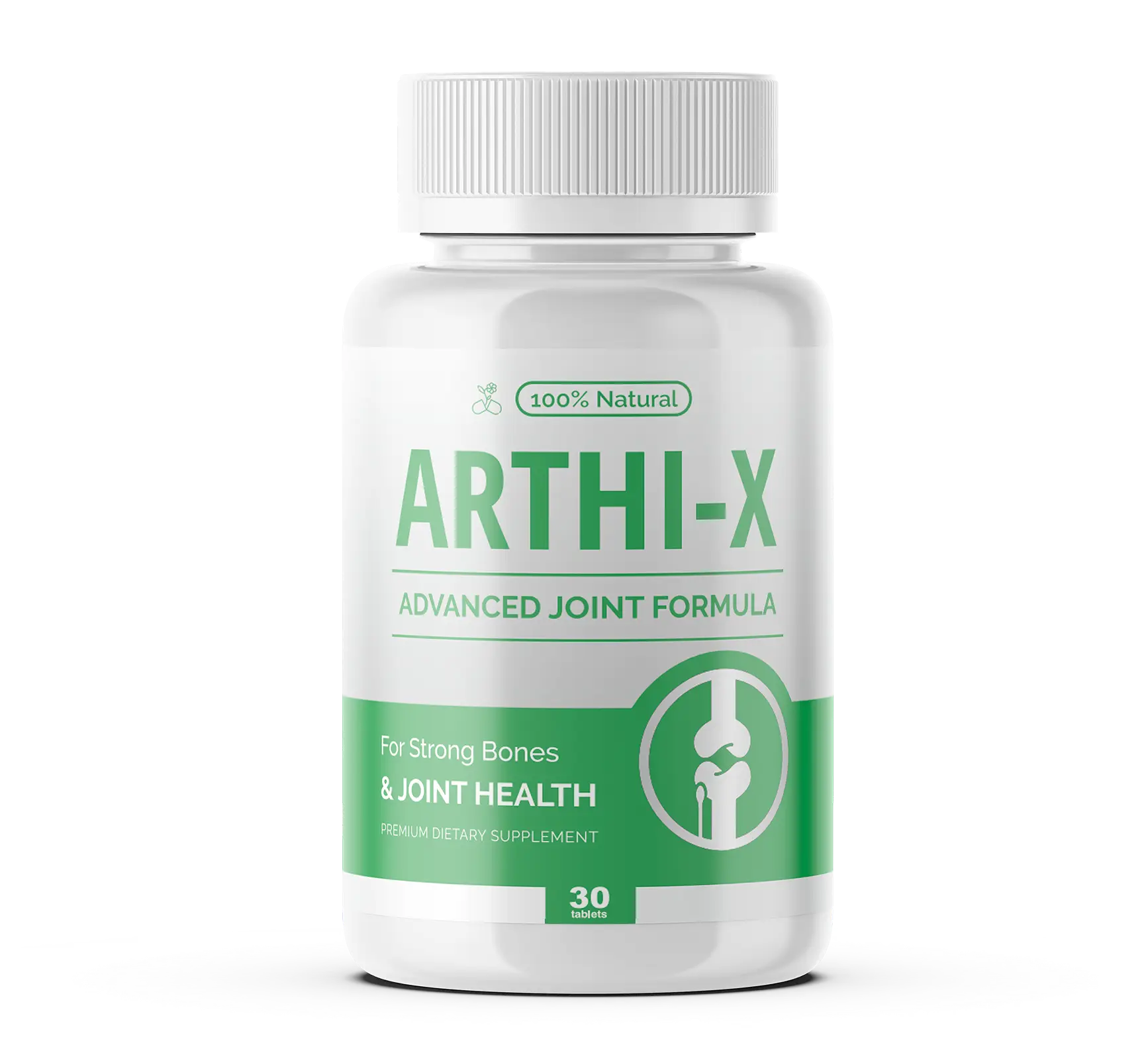
$11
/lead
Joints
Ivory Coast
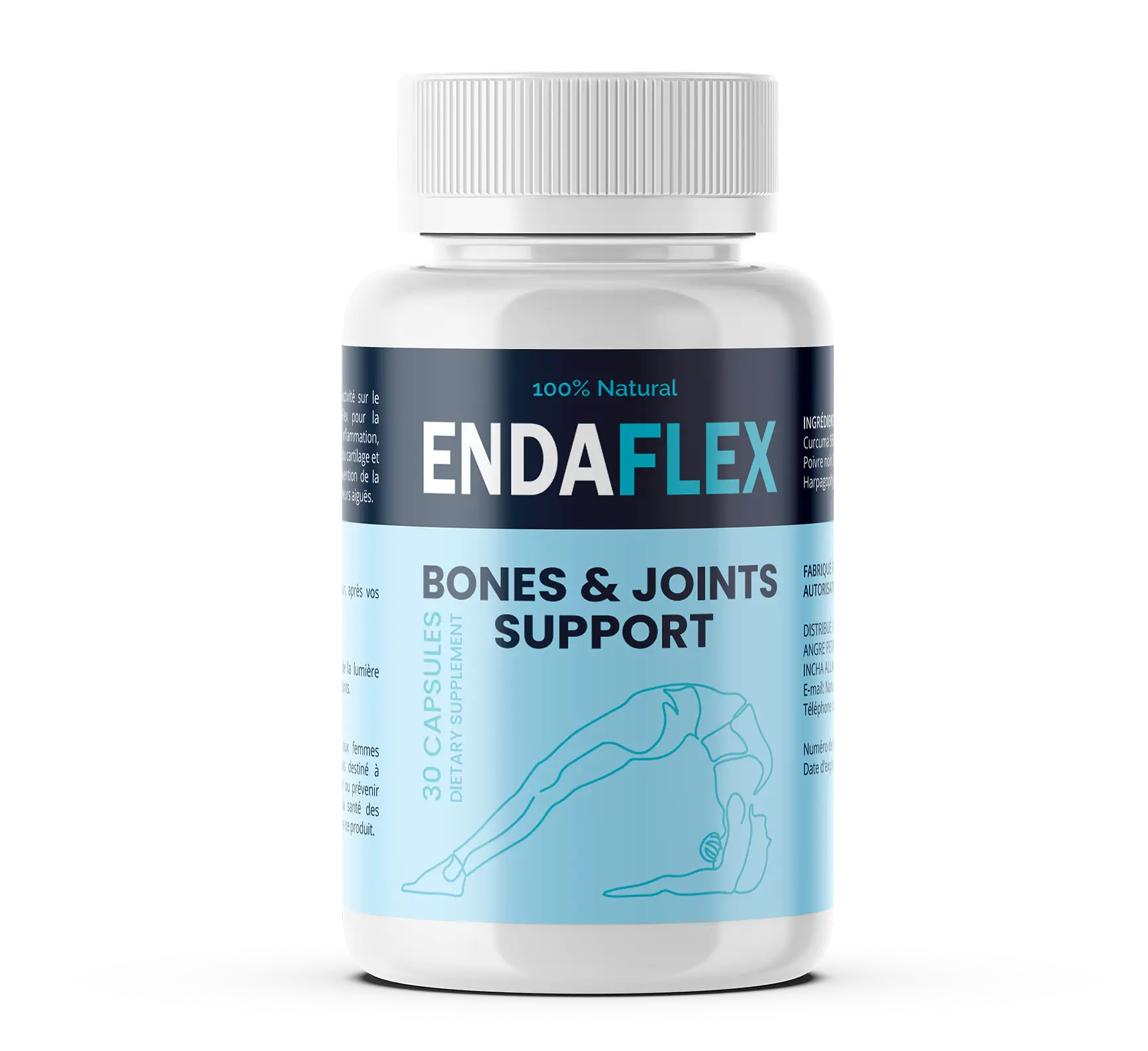
$21
/lead
Prostatitis
Ivory Coast
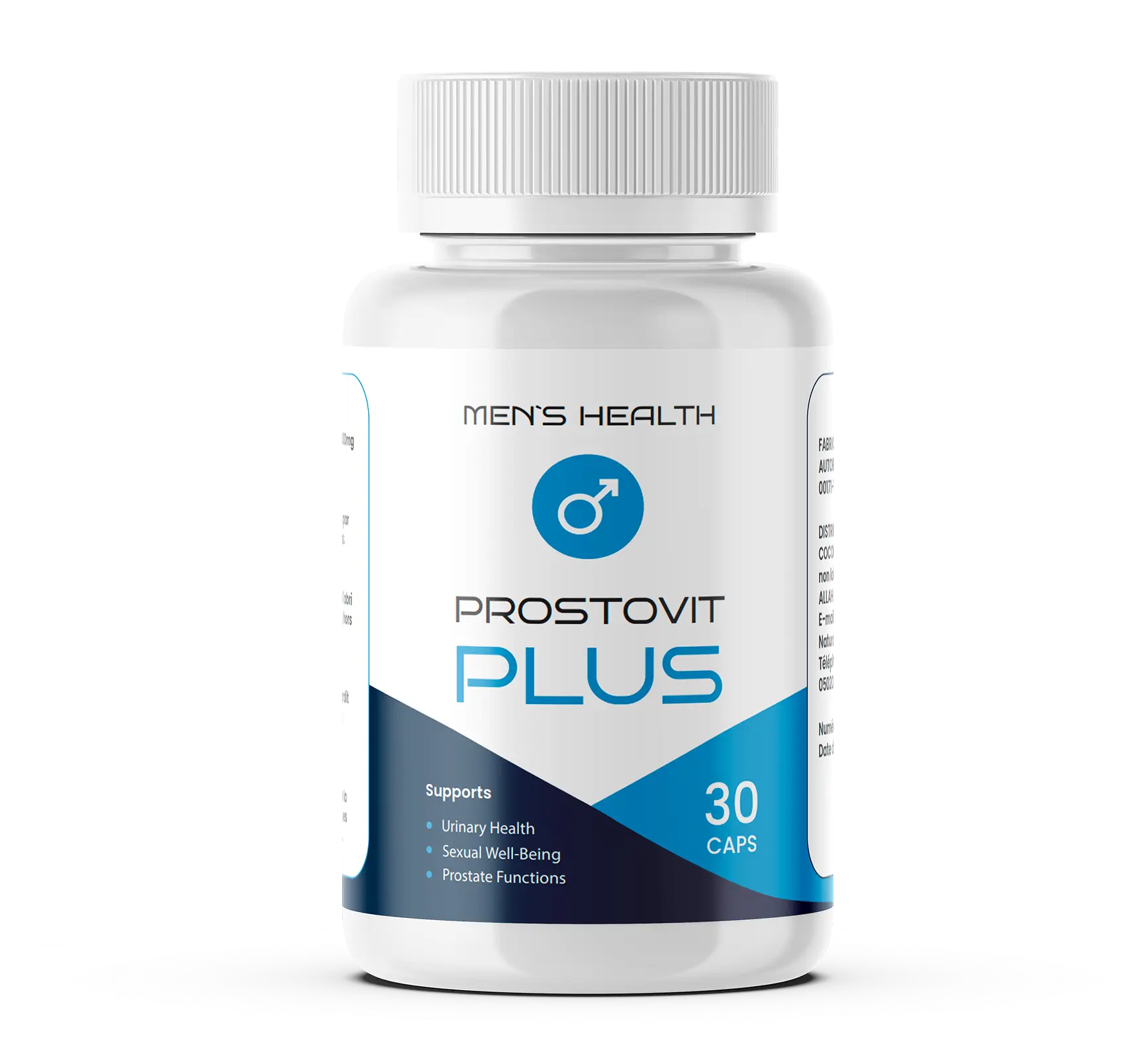
$19
/lead
Hair
Morocco
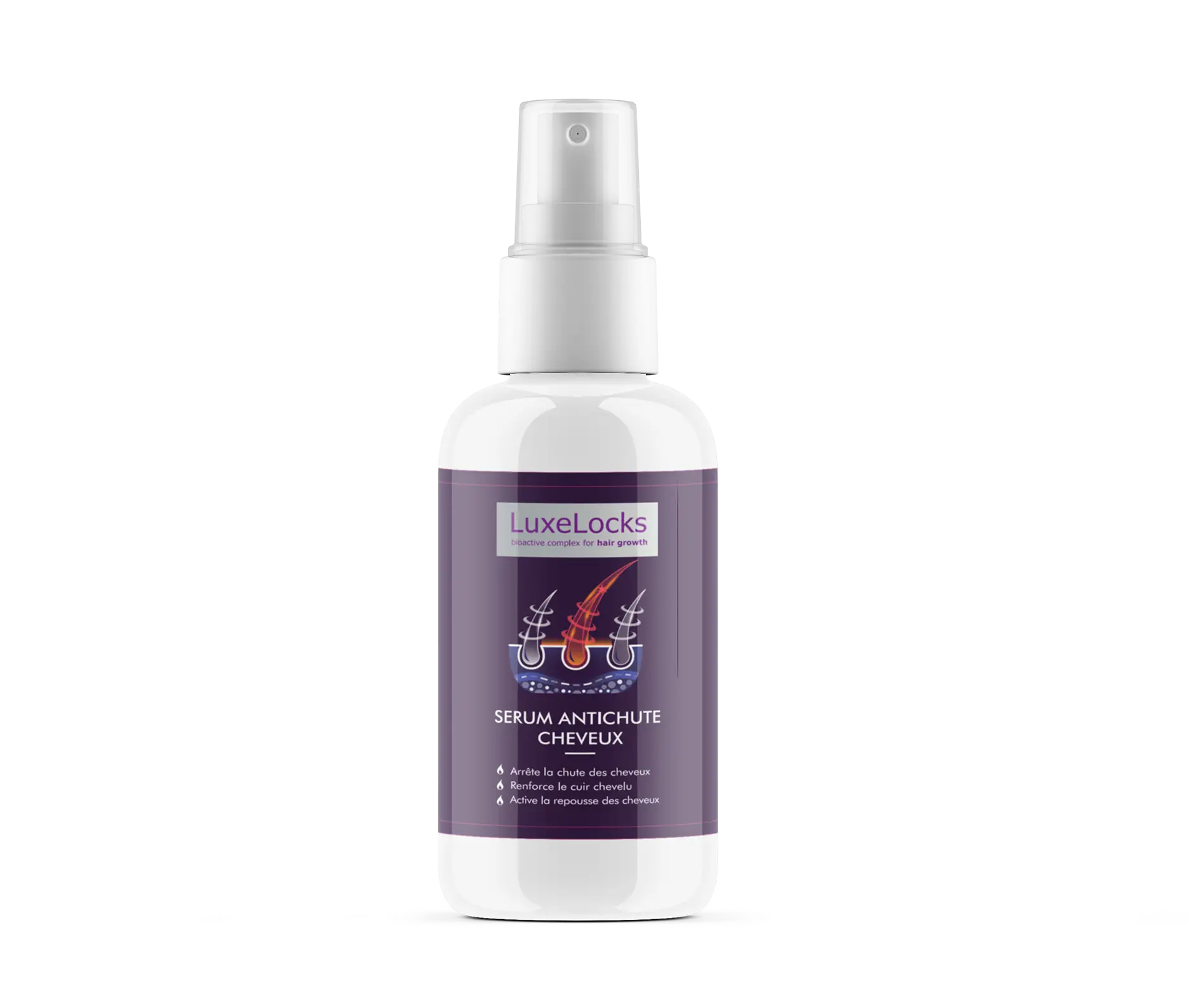
$18
/lead
Joints
Tunisia
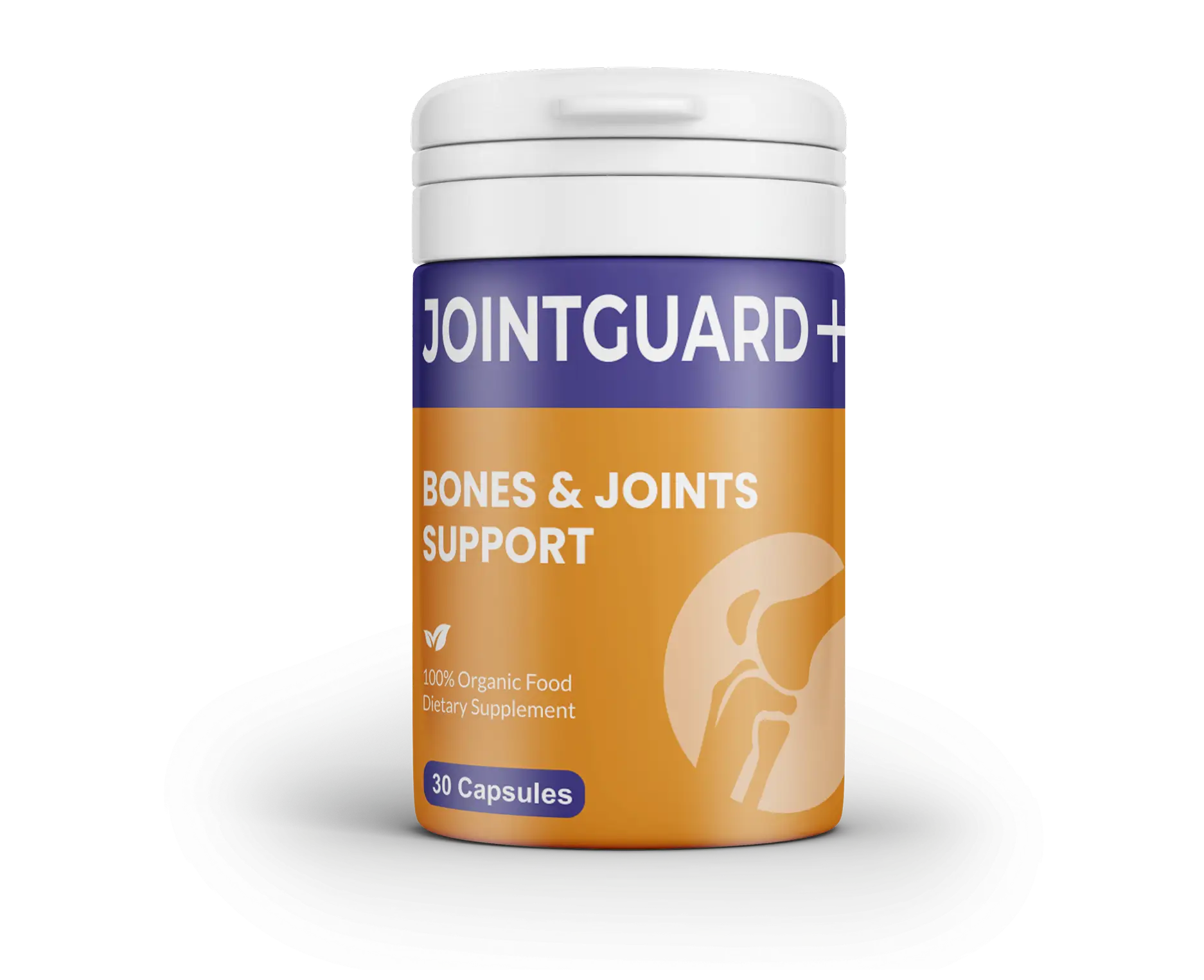
$22
/lead
Diabetes
Ivory Coast
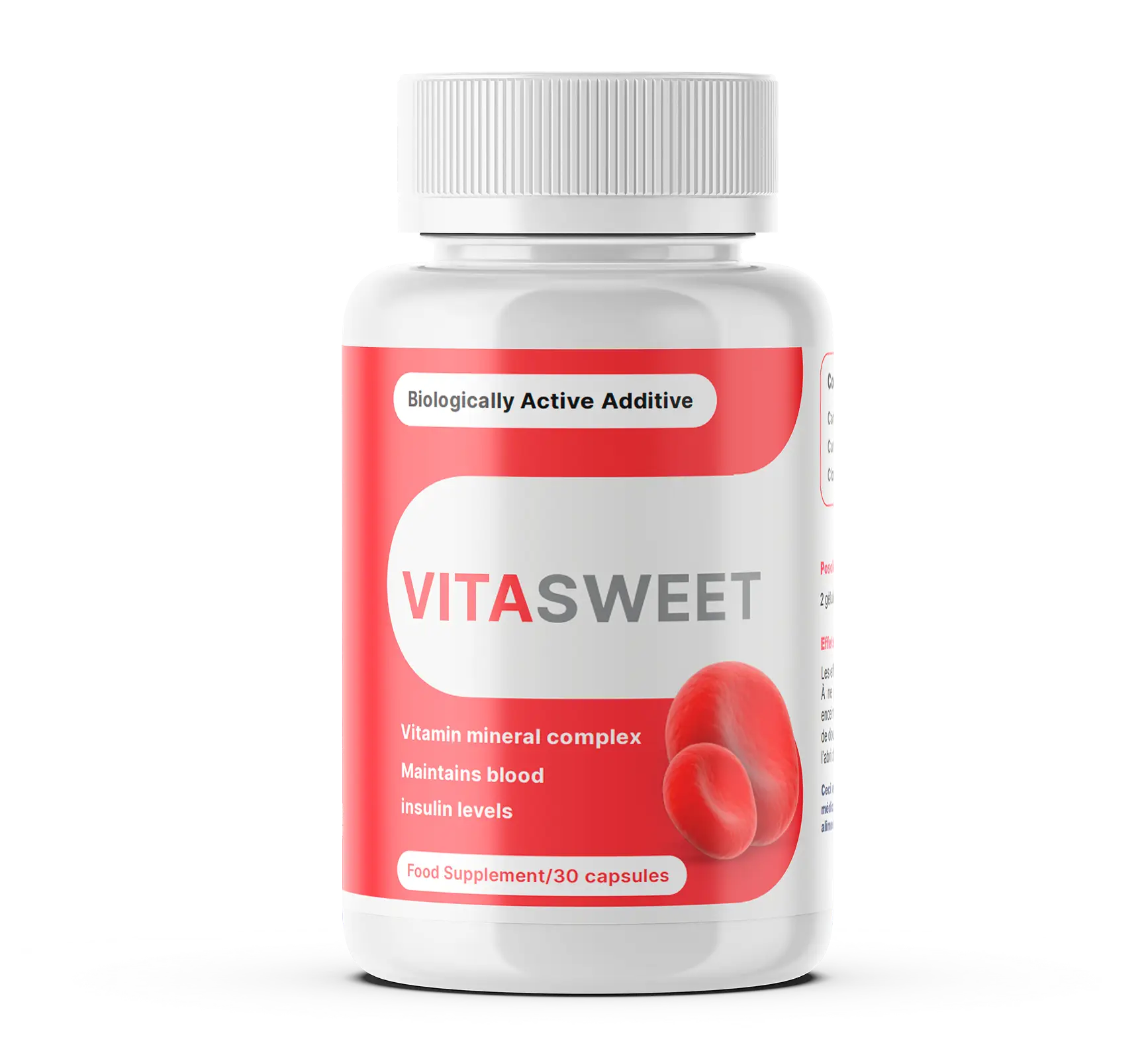
$21
/lead
Joints
Tanzania
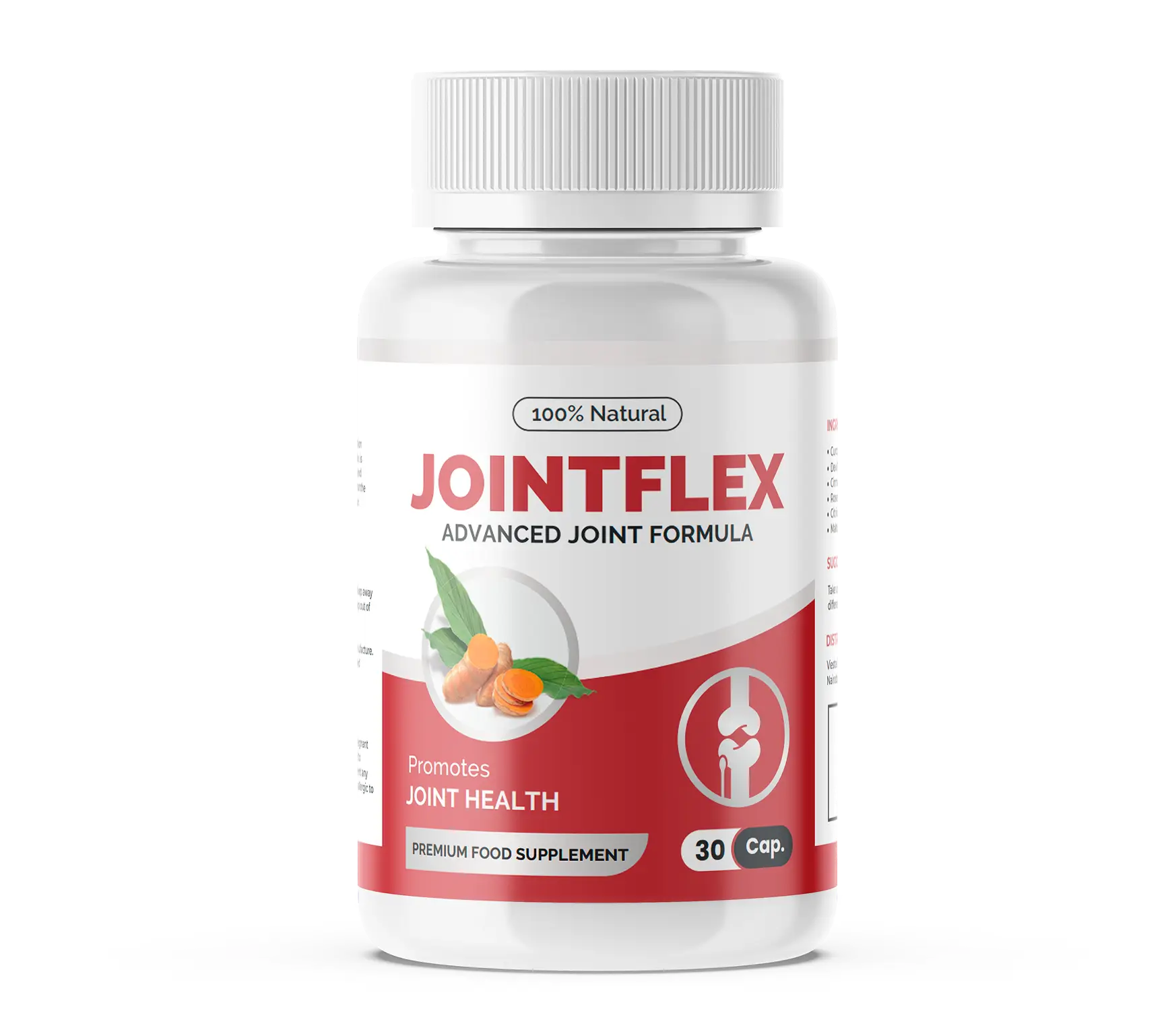
$15
/lead
Joints
Ivory Coast
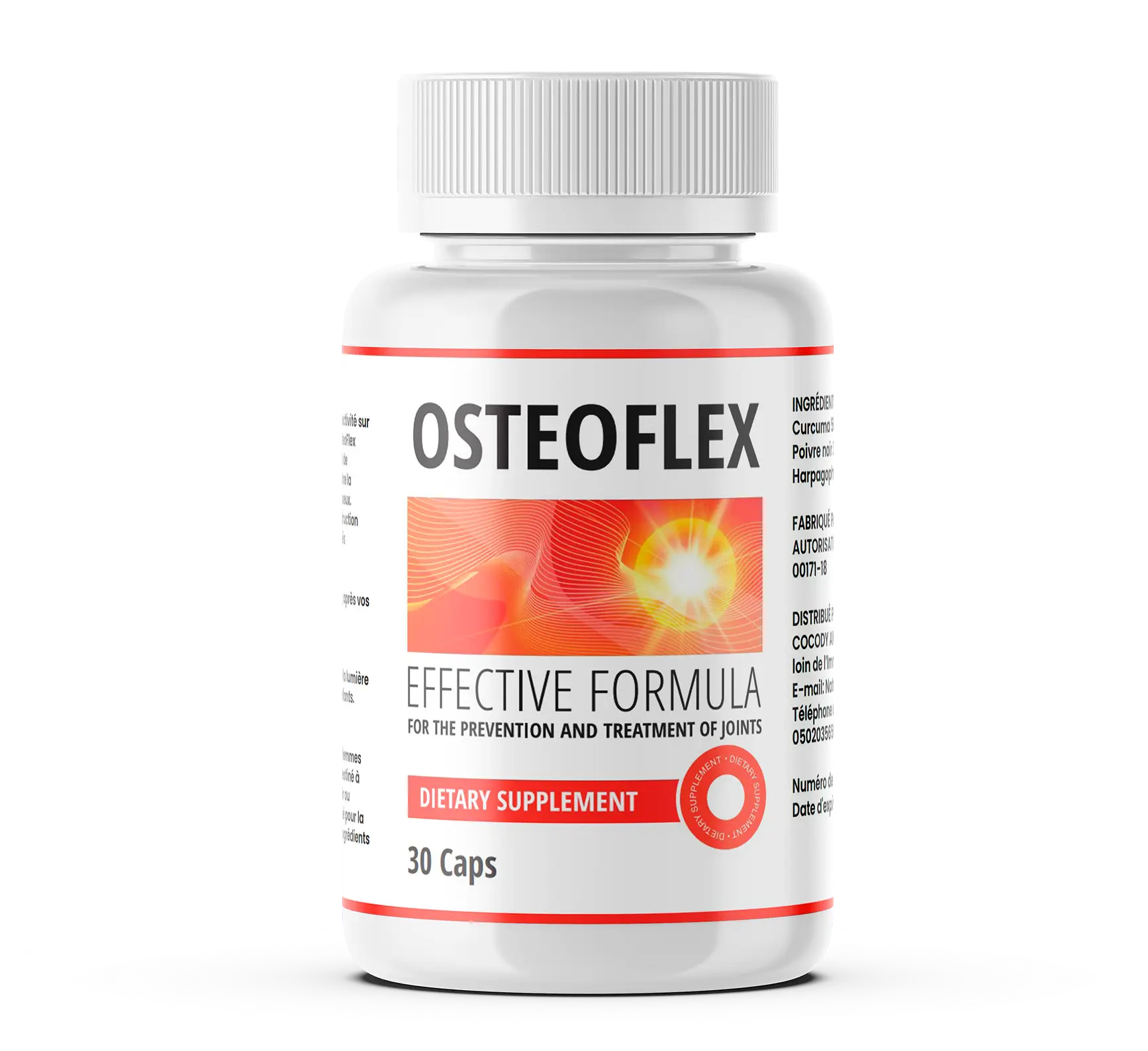
$23
/lead
Prostatitis
Pakistan
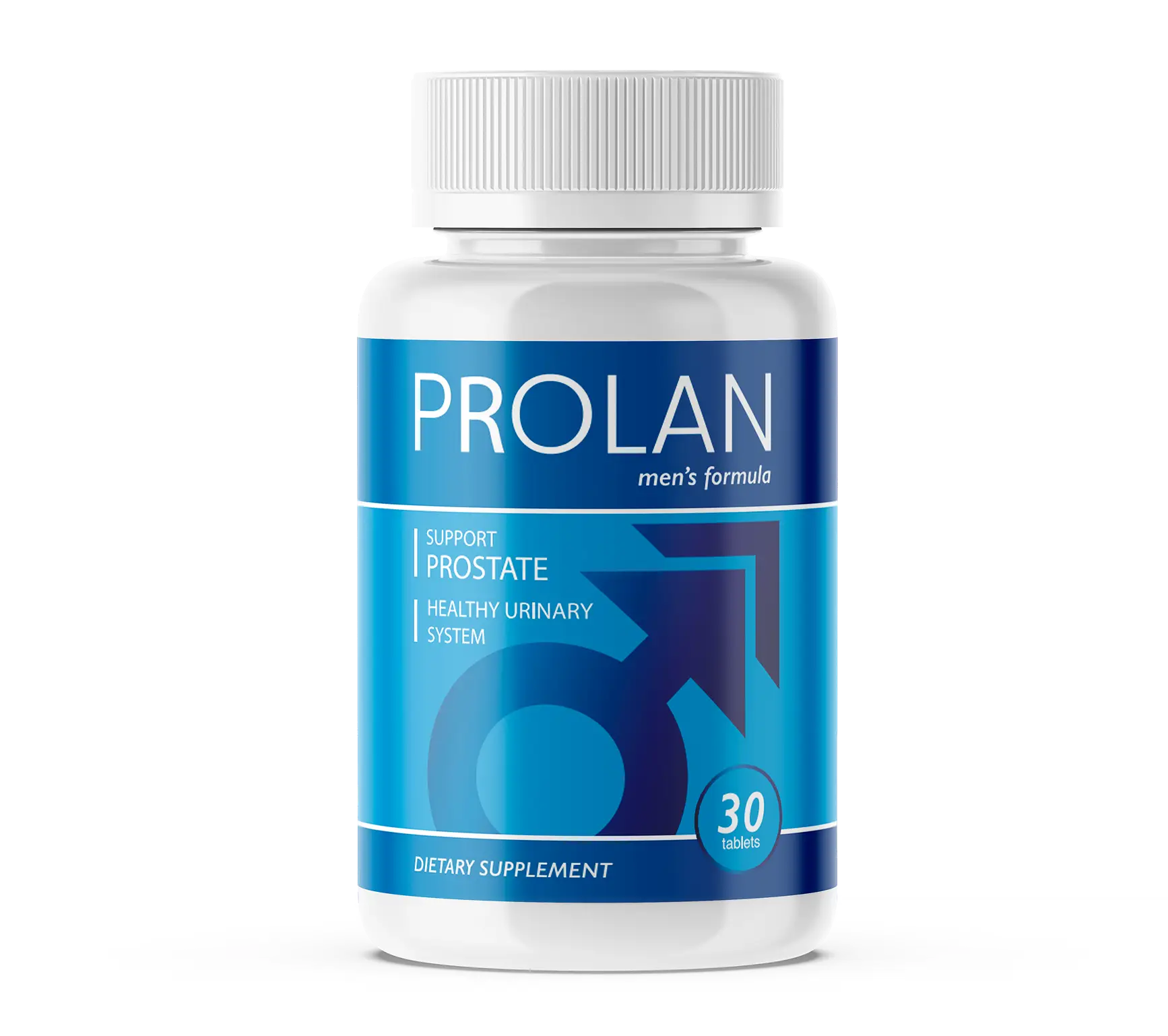
$11
/lead
Prostatits
Tunisia
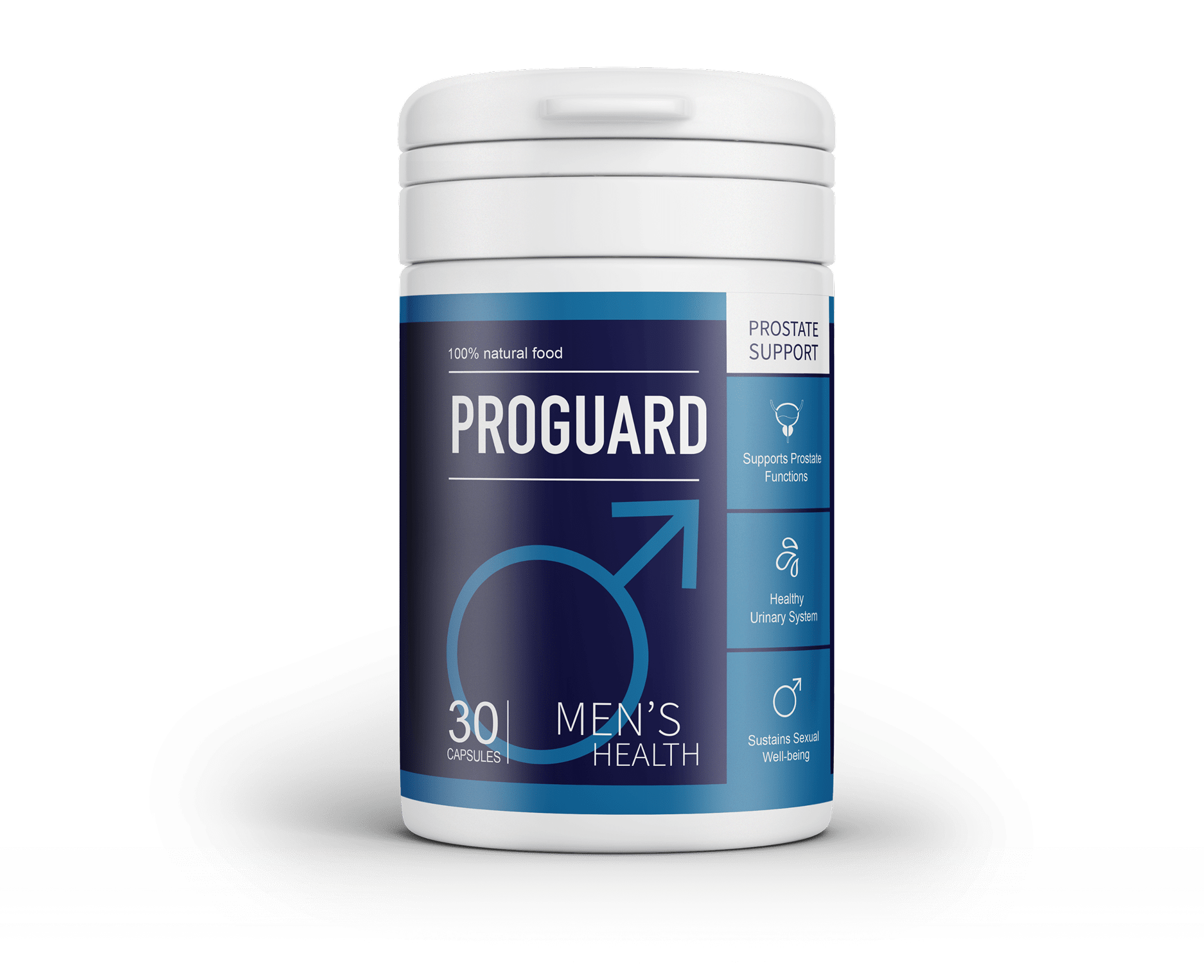
$17
/lead