We use cookies to personalize content and analyze traffic. We share information about your usage with our partners, who may combine it with other data.
Read more
INB Team
September 25, 2026


Affiliate marketing and dropshipping both let you earn from product sales without manufacturing your own products. But the way these models work is very different.
With affiliate marketing, you usually need less capital to get started, there is no risk of being left with unsold stock, and you can generate your first income faster. Dropshipping gives you more control over the product and your margin, but it also comes with more processes that you have to manage yourself.
So which model is more profitable?
In this article, we’ll compare dropshipping vs affiliate marketing using real numbers: starting budget, earning potential, risks, and the difficulty of scaling. We’ll also show how this difference works within the INB.bio CPA model.
In affiliate marketing, you do not sell your own product. Your job is to bring a target user to an offer and get paid for the action the advertiser needs.
In a CPA model, it works like this: you launch ads → the user submits a lead → the call center confirms the order → you receive a payout.
You do not need to buy stock, build a warehouse, negotiate with couriers, or deal with returns. The affiliate’s main area of responsibility is traffic: choosing the GEO and offer, creating ads, managing lead cost, analyzing performance, and scaling profitable funnels.
For example, at INB.bio, the payout for a confirmed COD order is around $11–$23, depending on the GEO and offer, while approval rates across active GEOs are around 20–26%.
In other words, you do not earn from the difference between wholesale and retail price. You earn based on how efficiently you buy traffic. If the revenue per lead is higher than the cost of that lead, the funnel is profitable.
This is where affiliate marketing vs dropshipping differs fundamentally: you can focus on advertising and scaling without turning your campaign into a full online store with a dozen additional operational processes.
🌿 Read also: “Traffic Arbitrage 2026: How It Works, What You Need to Start, and How Much You Can Earn”
With dropshipping, you also do not keep products in stock yourself, but you take on much more responsibility. You create a store, run ads, accept orders, pass them to the supplier, and earn the difference between the selling price and the product cost.
At first glance, the model looks similar to affiliate marketing: there is advertising, a product, and a sale. But there is one important difference. In dropshipping, the customer buys directly from you. That means the store, product pages, payments, customer support, returns, delivery delays, and supplier issues all remain on your side.
For example, you sell a product for $50 and pay the supplier $25. On paper, your margin is $25. But you still need to subtract advertising costs, payment services, returns, discounts, support, and other operating expenses. So earning more from a single sale does not always mean earning more profit.
At the same time, dropshipping gives you more control: you set the price, choose the store design and product range, and can gradually build your own brand. But that control costs not only money, but time as well.
So the answer to is affiliate marketing better than dropshipping is “not necessarily.” It depends on your goals. In one case, you are effectively running an online store and get more control. In the other, you focus on traffic and campaign economics without worrying about logistics or returns.

The difference in startup costs becomes obvious even before launch. An affiliate mainly needs a budget to test traffic, and that amount can be relatively small. A dropshipper needs not only ad spend, but also the entire store infrastructure.
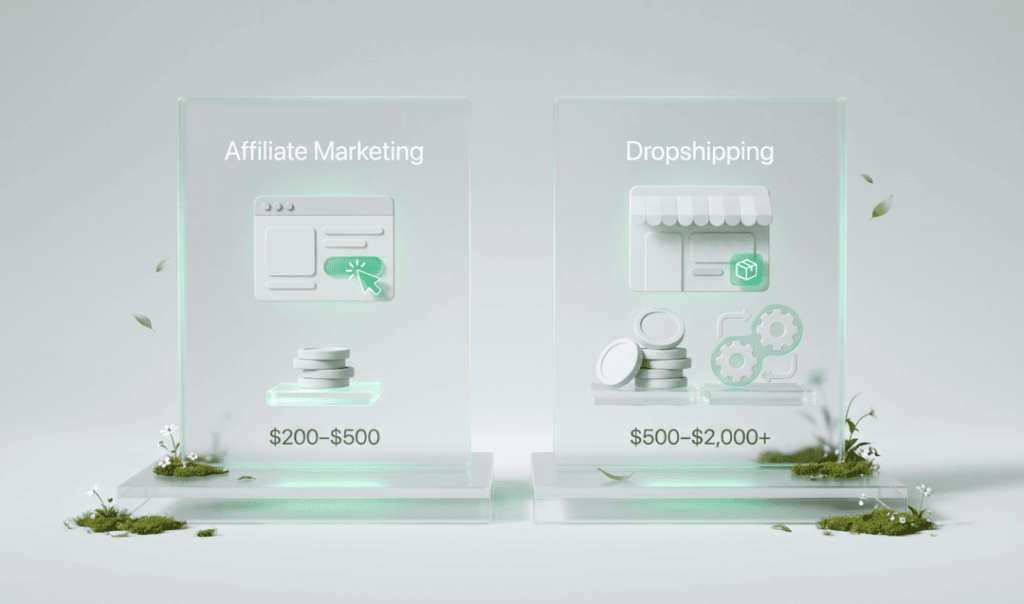
| Model | Minimum starting budget | What you need | When you can earn your first income |
| Affiliate marketing | $200–$500 | Offer, ad account, creatives, tracking | After the first confirmed leads |
| Dropshipping | $500–$2,000+ | Store, domain, services, product pages, ads, product samples | After launching the store and getting the first paid orders |
In affiliate marketing, most of your starting budget can go directly into testing. If an offer does not work, you stop the campaign, analyze the data, and move on to another funnel.
In dropshipping, part of the spending happens before you even know whether the product will sell. You need to prepare the store, build product pages, set up payments, check the supplier, and only then start running ads.
For an experienced team, that is not a problem. But for a beginner, every additional process is another place where time or money can be lost.
That is why in the affiliate vs dropshipping comparison, startup budget is one of the clearest advantages of the affiliate model. You can move from idea to real test faster and use actual numbers to decide whether the campaign is worth scaling.
🌿 Read also: “What Is a CPA Affiliate Network and How to Start Earning in 2026”
In affiliate marketing, the main risk is your ad budget. You test an offer, monitor CPL, approval rate, and revenue per lead. If the numbers do not work, you can stop the campaign and switch to another funnel.
You are not left with stock that needs to be sold quickly. You do not depend on whether the supplier ships the order on time. You do not handle returns or deal with unhappy customers.
Dropshipping comes with more risks because you control a larger part of the process. The problem may not be advertising at all. It may be the supplier, product quality, delivery times, or a high return rate. Even a campaign with strong sales can lose profitability if operational costs start rising.
This becomes especially important when scaling. As order volume grows, so does the workload: more customers, more support requests, and more chances for delays and mistakes.
Scaling works differently in affiliate marketing. Your focus remains on traffic: which campaigns generate cheaper leads, which creatives maintain conversion, and where you can increase budget without hurting ROI.
So affiliate marketing vs dropshipping is also a comparison of two types of risk: advertising risk versus advertising + operational risk.
In dropshipping, profit per sale is usually higher. You set the price yourself and keep the difference after product cost, advertising, and order servicing. But affiliate marketing wins on scalability. You do not need to expand your team or rebuild logistics when a campaign starts generating more leads. If the funnel is profitable, the main task is simply to find a way to buy more high-quality traffic.
For example, let’s take an offer with a $23 payout and a 23% approval rate.
From 1,000 leads:
1,000 × 23% = 230 confirmed orders
230 × $23 = $5,290 revenue
So 1,000 raw leads can generate $5,290 in gross revenue before ad spend is deducted.
That does not mean any 1,000 leads will automatically generate that amount. The result depends on CPL, traffic quality, GEO, offer, and the stability of the approval rate. But the principle matters: to increase volume, you do not need to build a more complicated operating system at the same time.
Many people are attracted by the idea of affiliate marketing passive income. It sounds appealing, but in practice campaigns still need to be monitored: CPL, approval rate, creatives, and traffic quality all require attention. The difference is that you do not have to manage delivery, returns, and customer support at the same time.
If your goal is to build your own brand and control the entire customer journey, dropshipping can be a logical choice. If you want to earn primarily through traffic and scale campaigns without a store or logistics, the affiliate model is much simpler.
🌿 Learn more about the best affiliate programs for Q3–Q4 in our article.
With a direct advertiser in the CPA model, you can focus on what directly affects your result – traffic.
For example, with INB.bio, you bring the leads, while we handle order confirmation, the call center, delivery, and payment collection. No store, no inventory, and no logistics of your own. Your economics come down to a simple chain: CPL → approval rate → payout → ROI
For example, with a $23 payout, 23% approval rate, and $1.20 CPL, revenue per raw lead is $5.29, while ROI is around 341%. The result depends on the GEO, offer, traffic source, and lead quality, but the model itself remains simple: you test, calculate, and scale, while we handle everything else.
If you want to earn without operational routine, register on the INB.bio website and choose an offer that fits your traffic type. Our affiliate managers will help you find the right option.

For a faster start and a stronger focus on traffic – yes. Affiliate marketing requires less starting capital and does not require a store, inventory, or your own logistics. Dropshipping gives you more control over the product and brand, but it also adds suppliers, delivery, returns, and customer service.
Yes, you can combine the two models, especially if you already have experience buying traffic. But when starting out, it is better to focus on one direction. That makes it easier to understand the economics, refine your ad funnels, and avoid splitting your budget and time across different processes.
There is no fixed number. It all depends on traffic volume, ad spend, payout or margin, and your ability to scale. A dropshipper may earn more from a single sale, while an affiliate can often increase volume faster without increasing logistics or customer service costs.
Affiliate marketing is easier to start with if your main goal is to learn how to work with advertising and earn from traffic. You do not need to create a store, find suppliers, or organize delivery. The main focus stays on the offer, creatives, CPL, approval rate, and ROI.
We operate across 15+ countries with low competition and exceptional profit potential. Our focus covers high-growth regions for scalable traffic and conversions.


3+ offers

22% app.

2+ offers
23% app.

15+ offers
24% app.

9+ offers
24% app.

8+ offers
23% app.

2+ offers
21% app.

1+ offers
16% app.

3+ offers
20% app.
Our product line is built for results: every offer is tested, localized, and ready to scale.

Cardiology

Ivory Coast
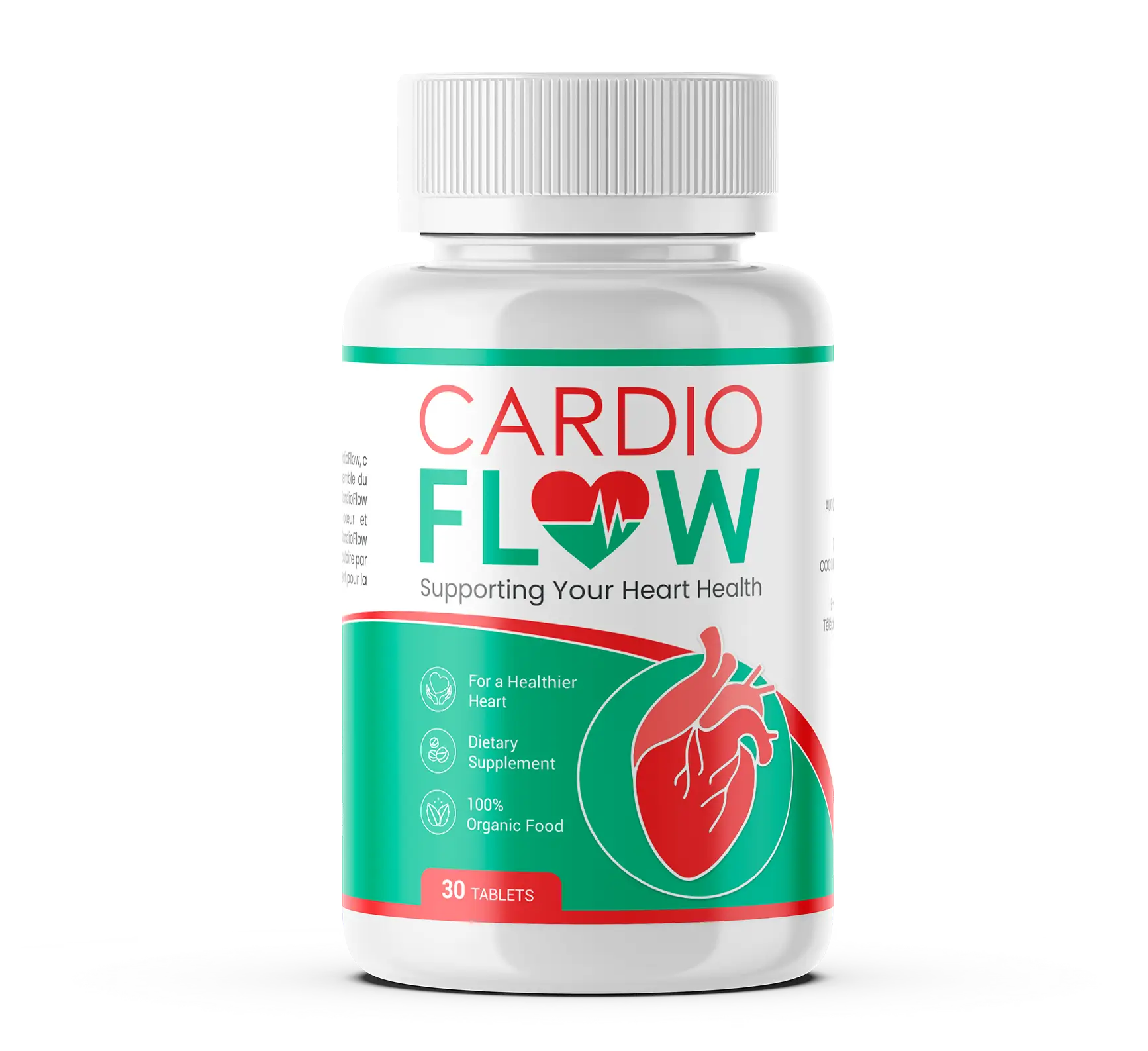
$21
/lead
Weight loss
Morocco
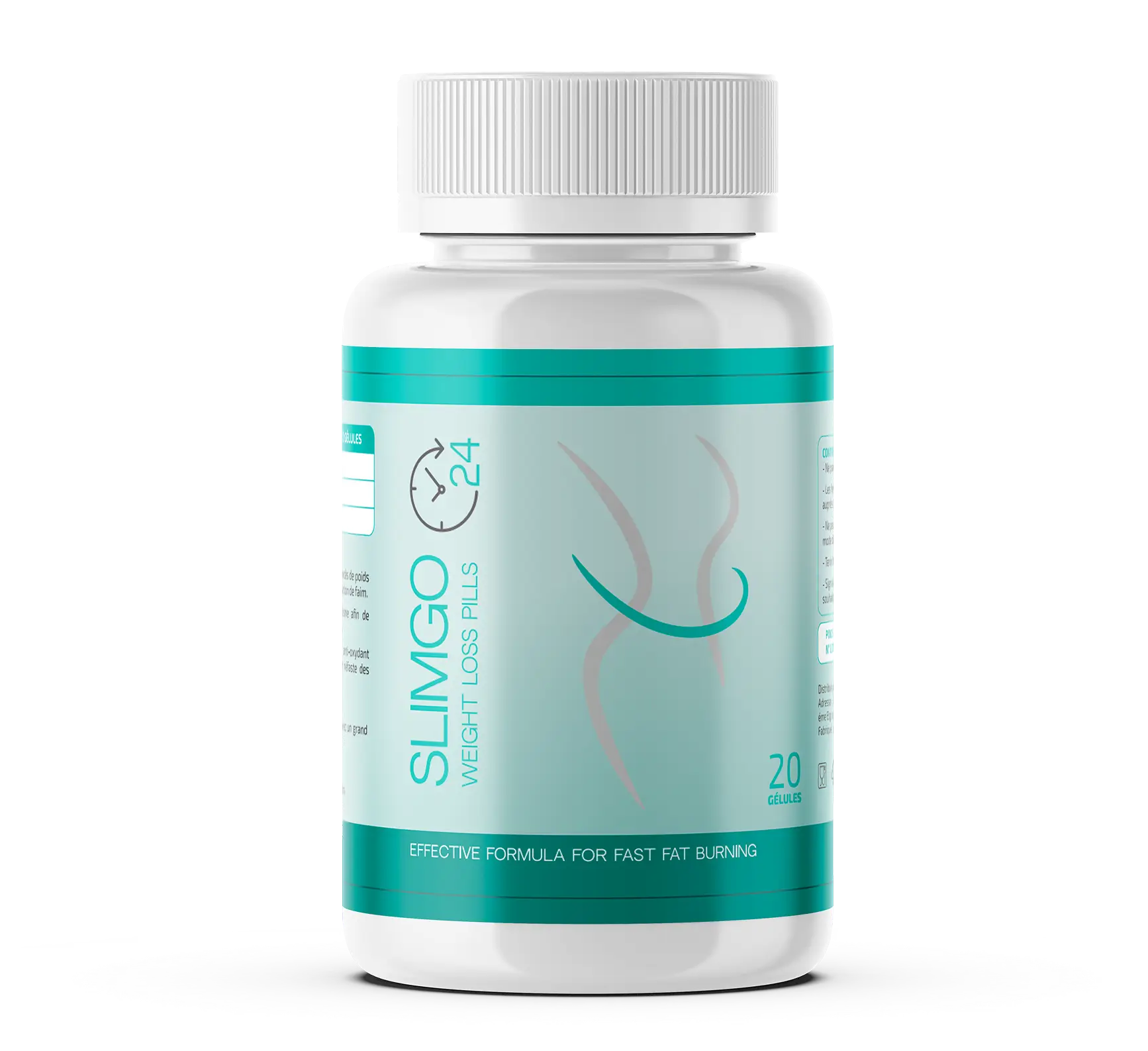
$18
/lead
Hearing
Ivory Coast
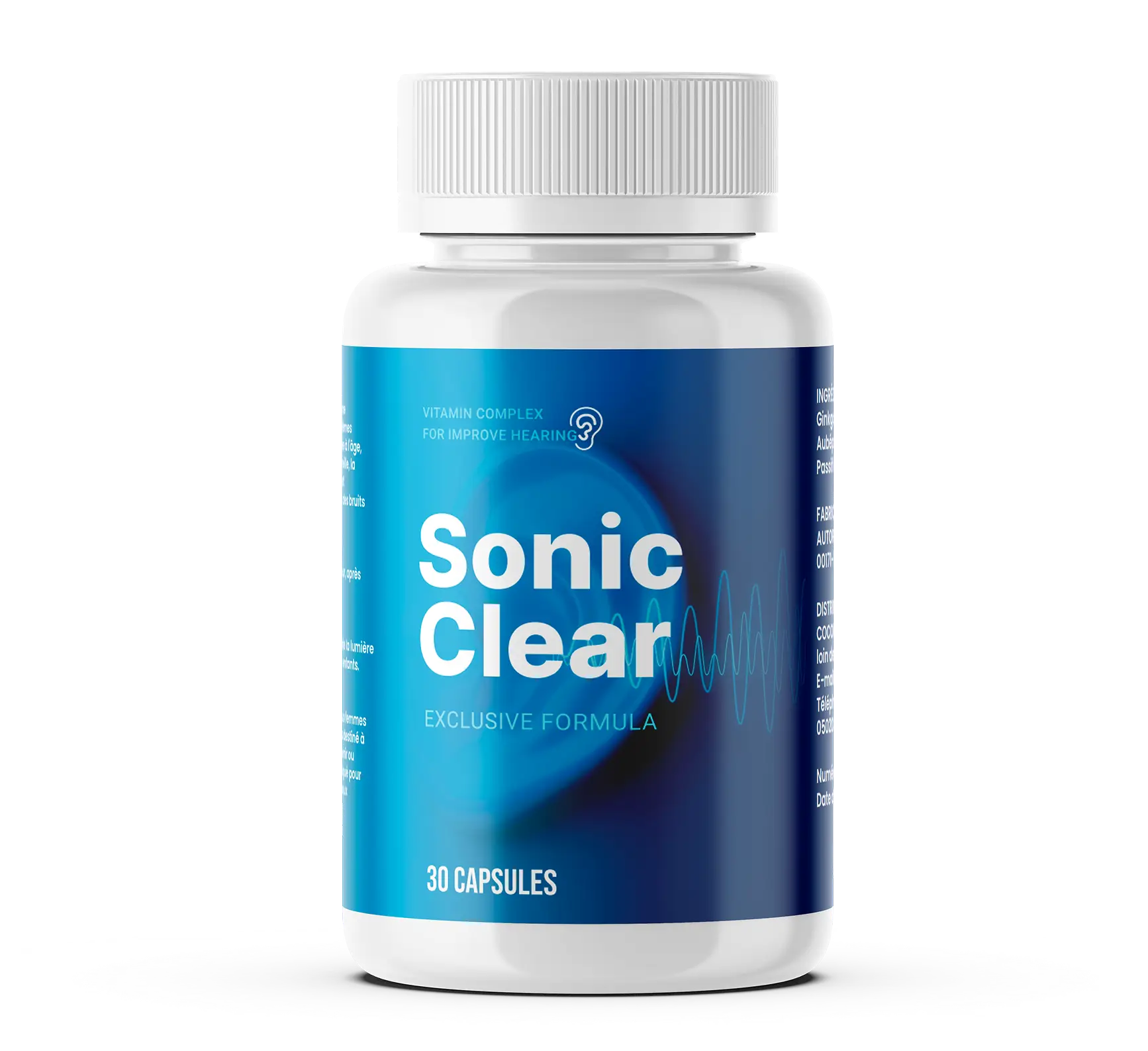
$17
/lead
Joints
Ivory Coast
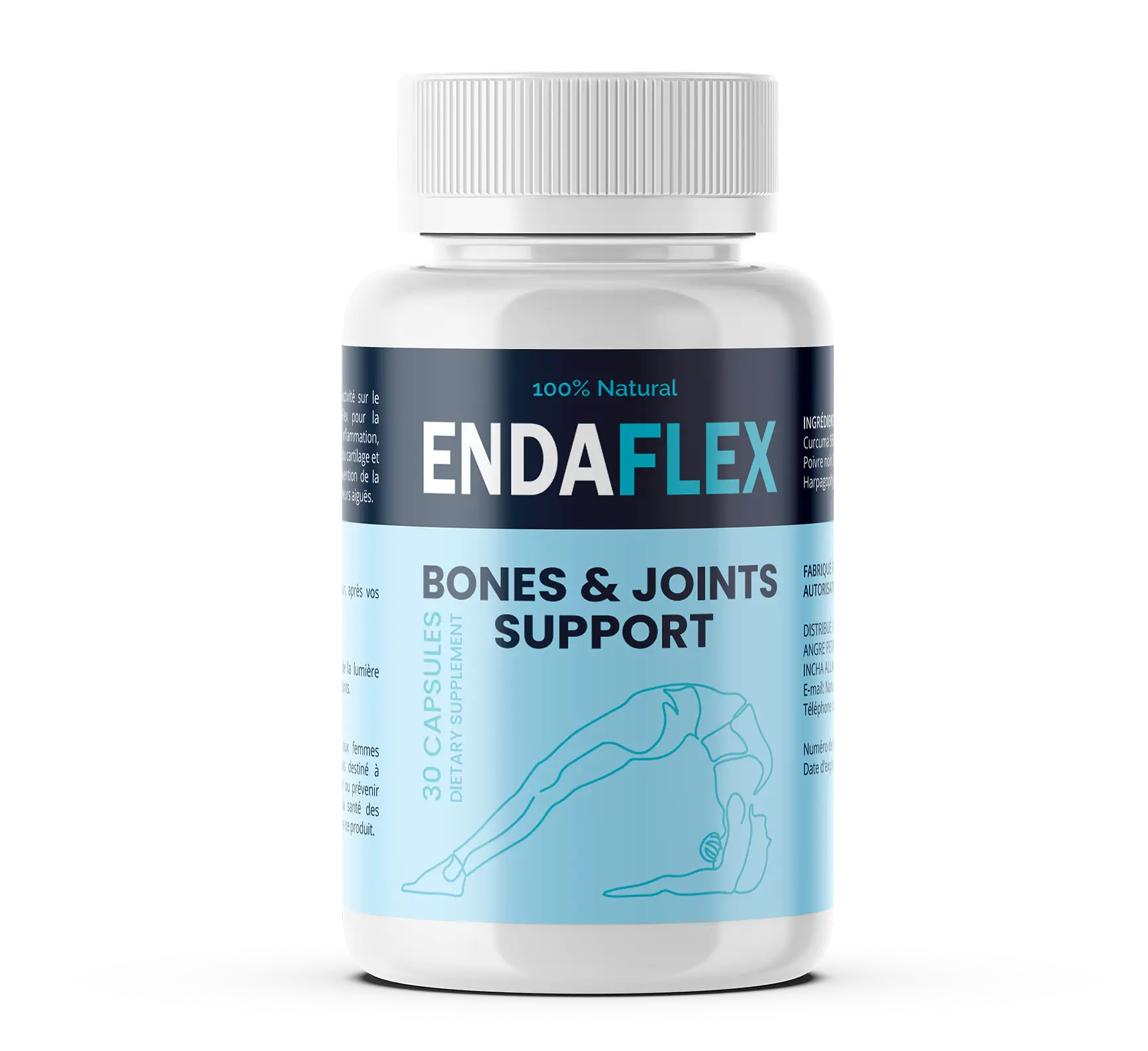
$21
/lead
Prostatits
Tunisia
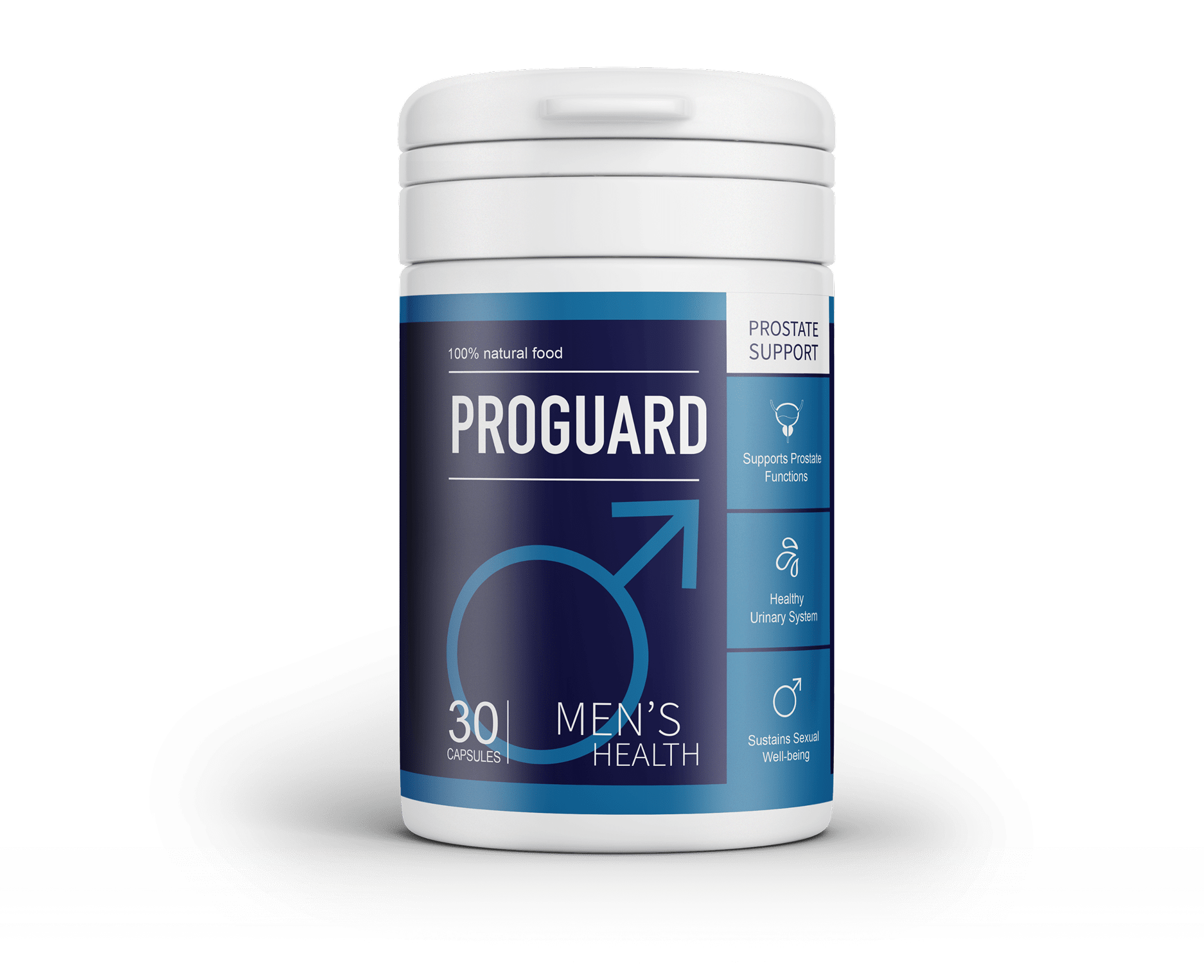
$17
/lead
Joints
Ivory Coast
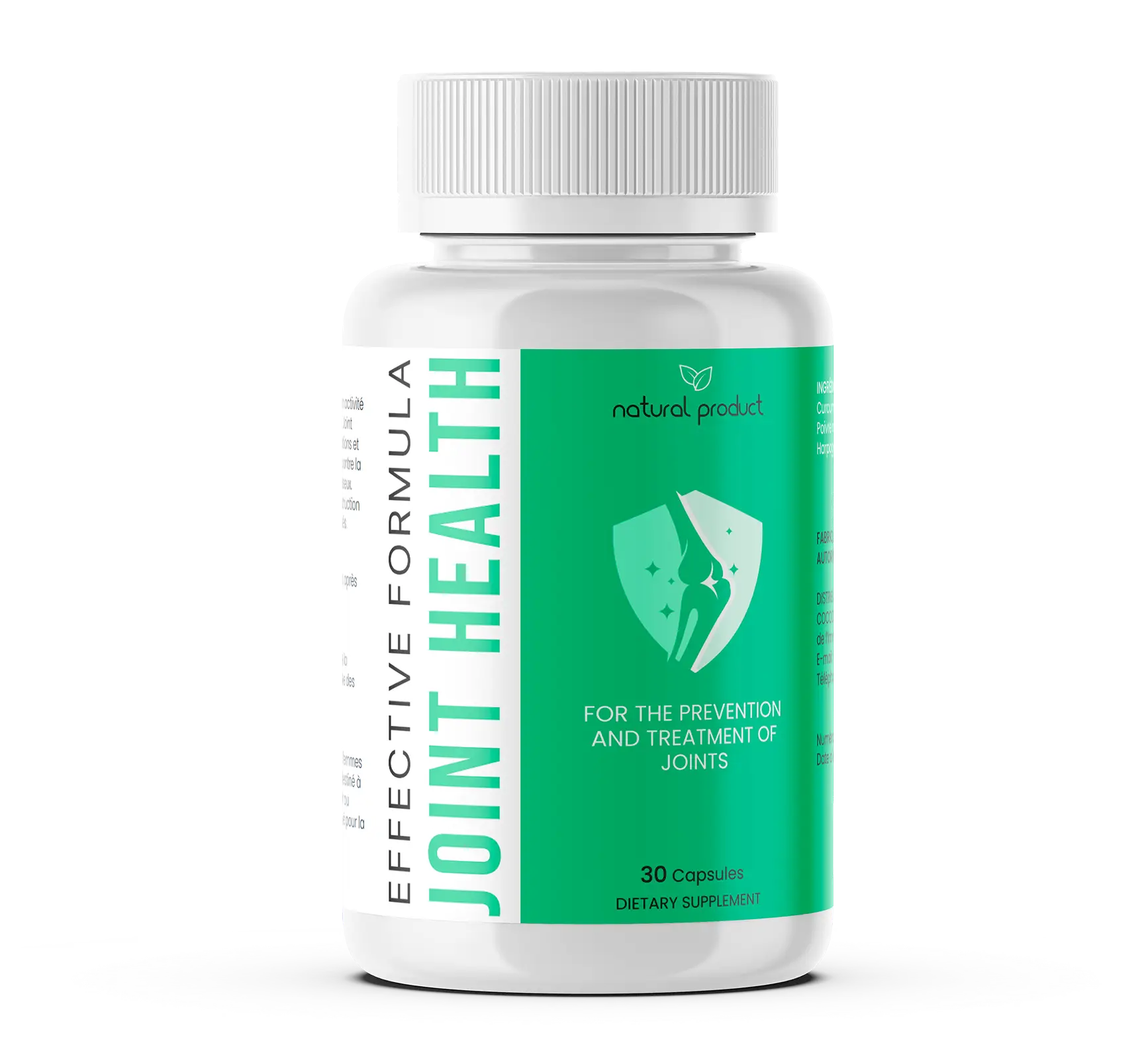
$23
/lead
Cardiology
Morocco
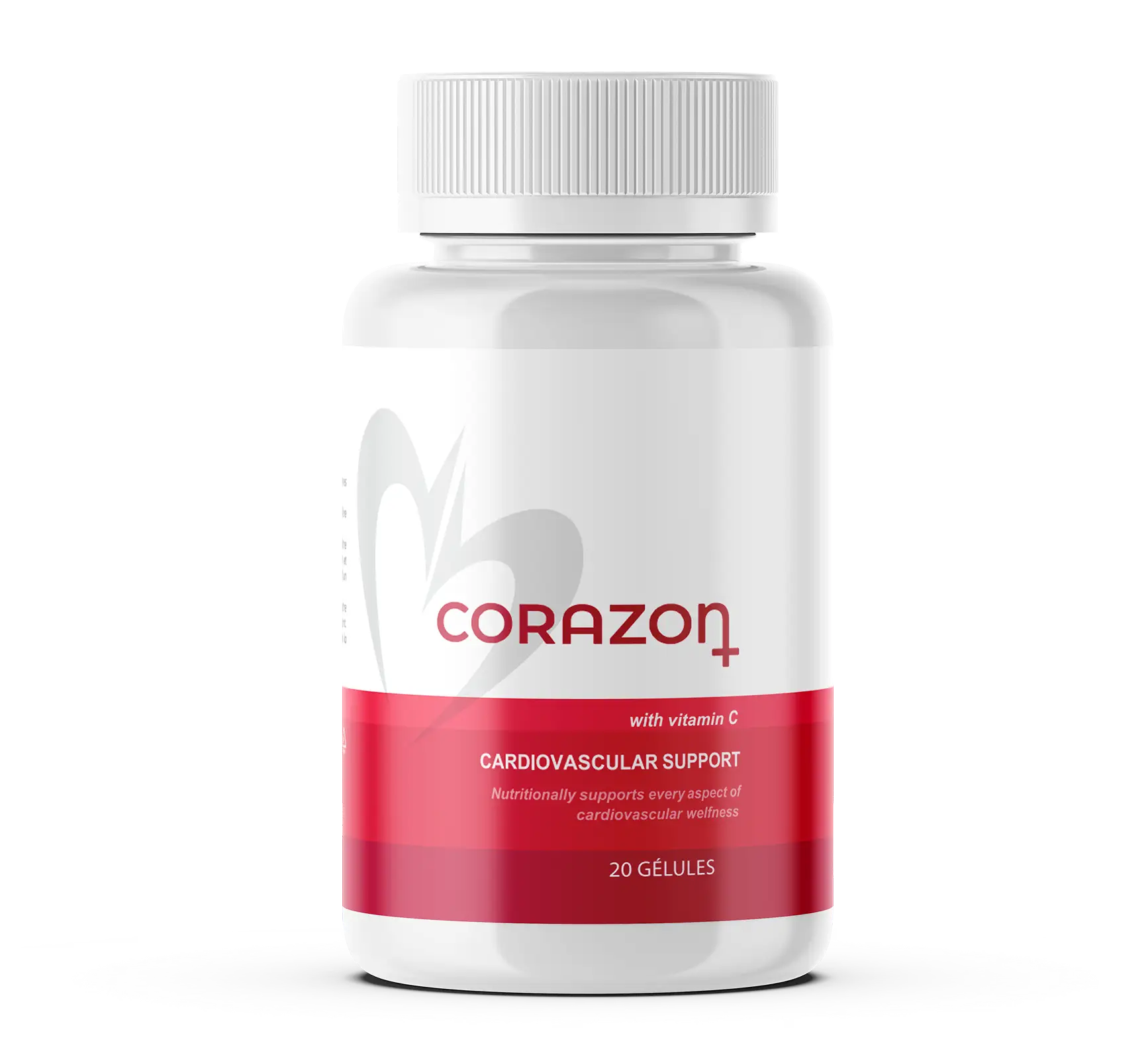
$21
/lead
Prostatitis
Ivory Coast
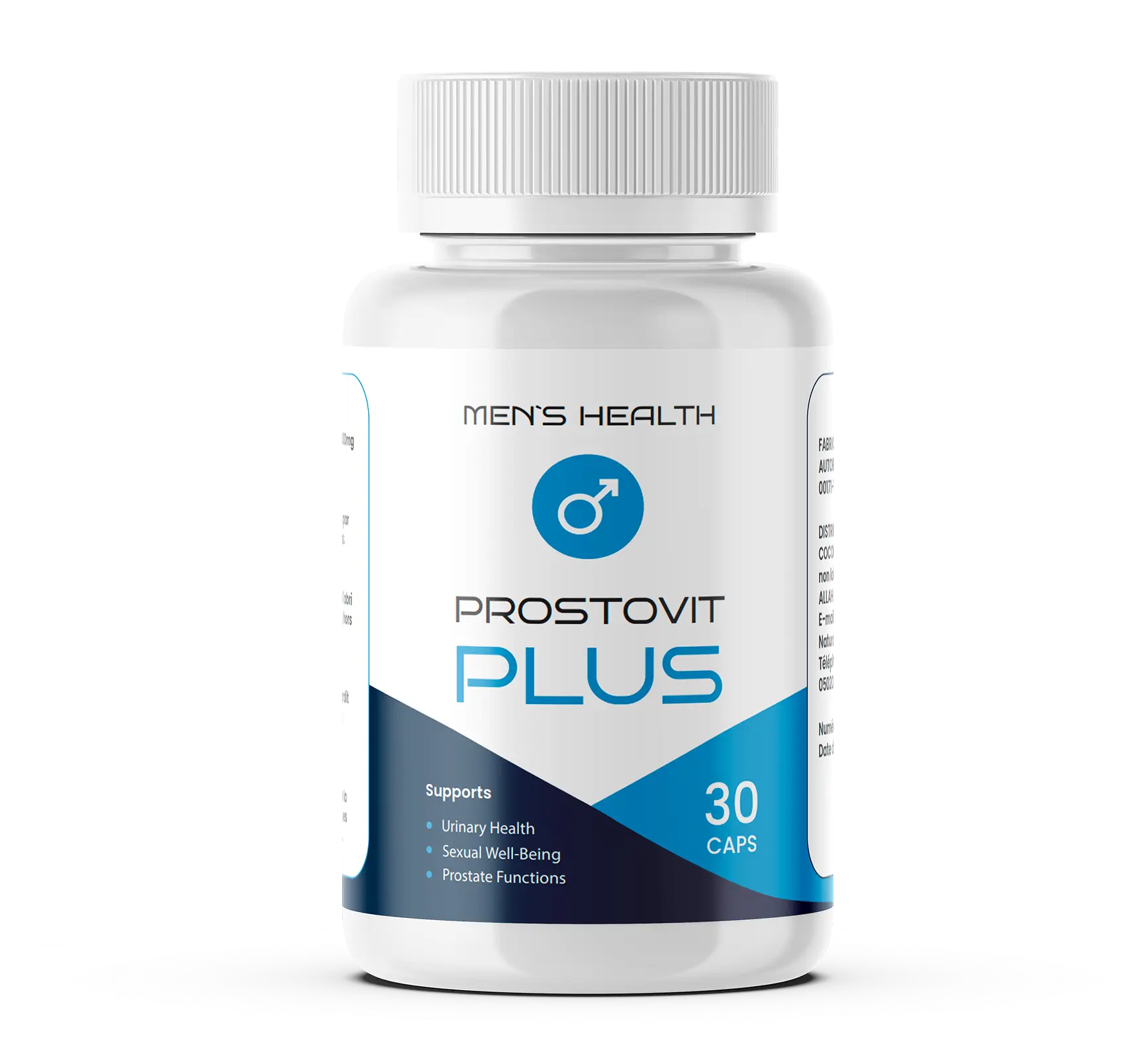
$19
/lead
Prostatitis
Pakistan
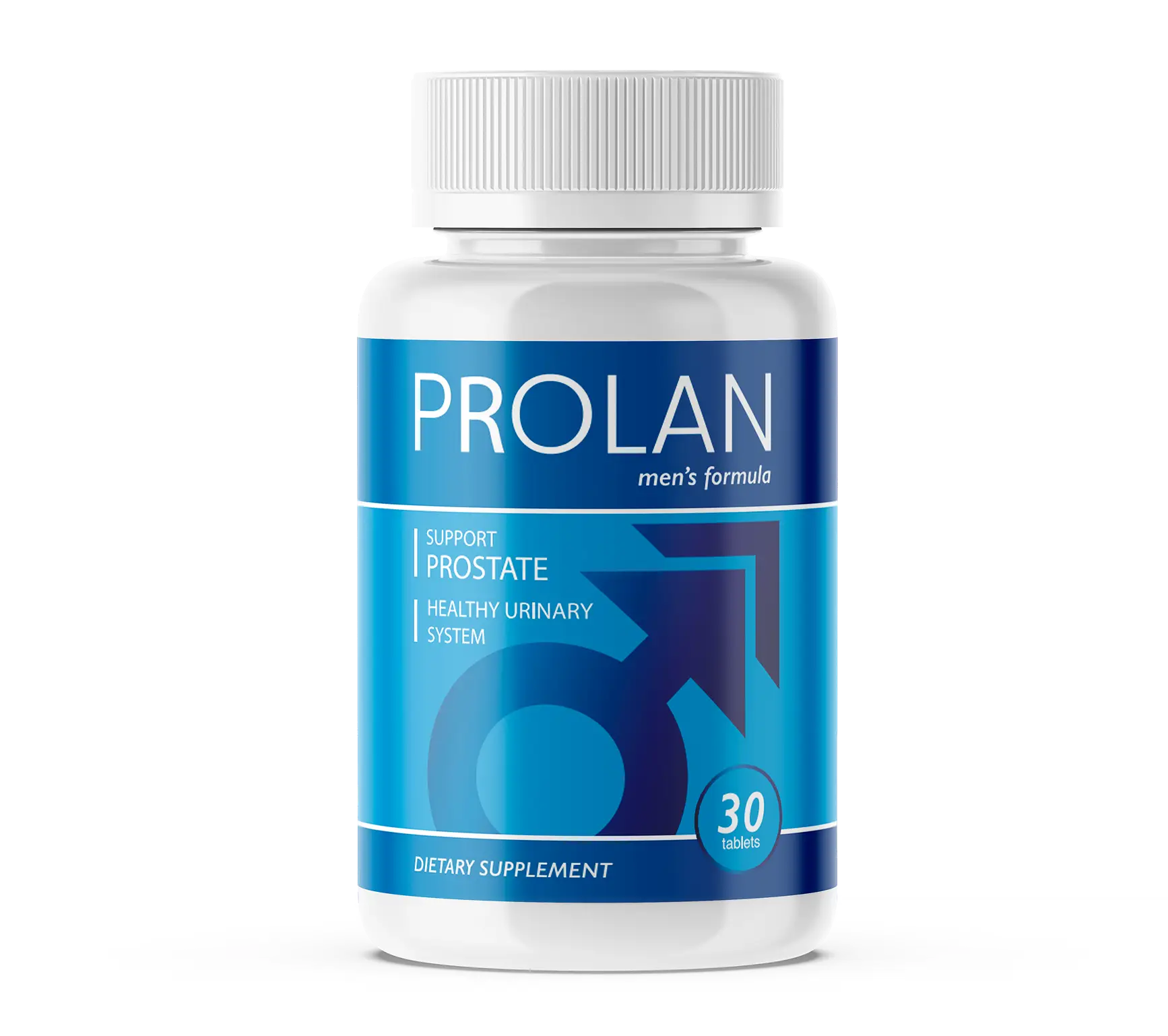
$11
/lead
Vision
Ivory Coast
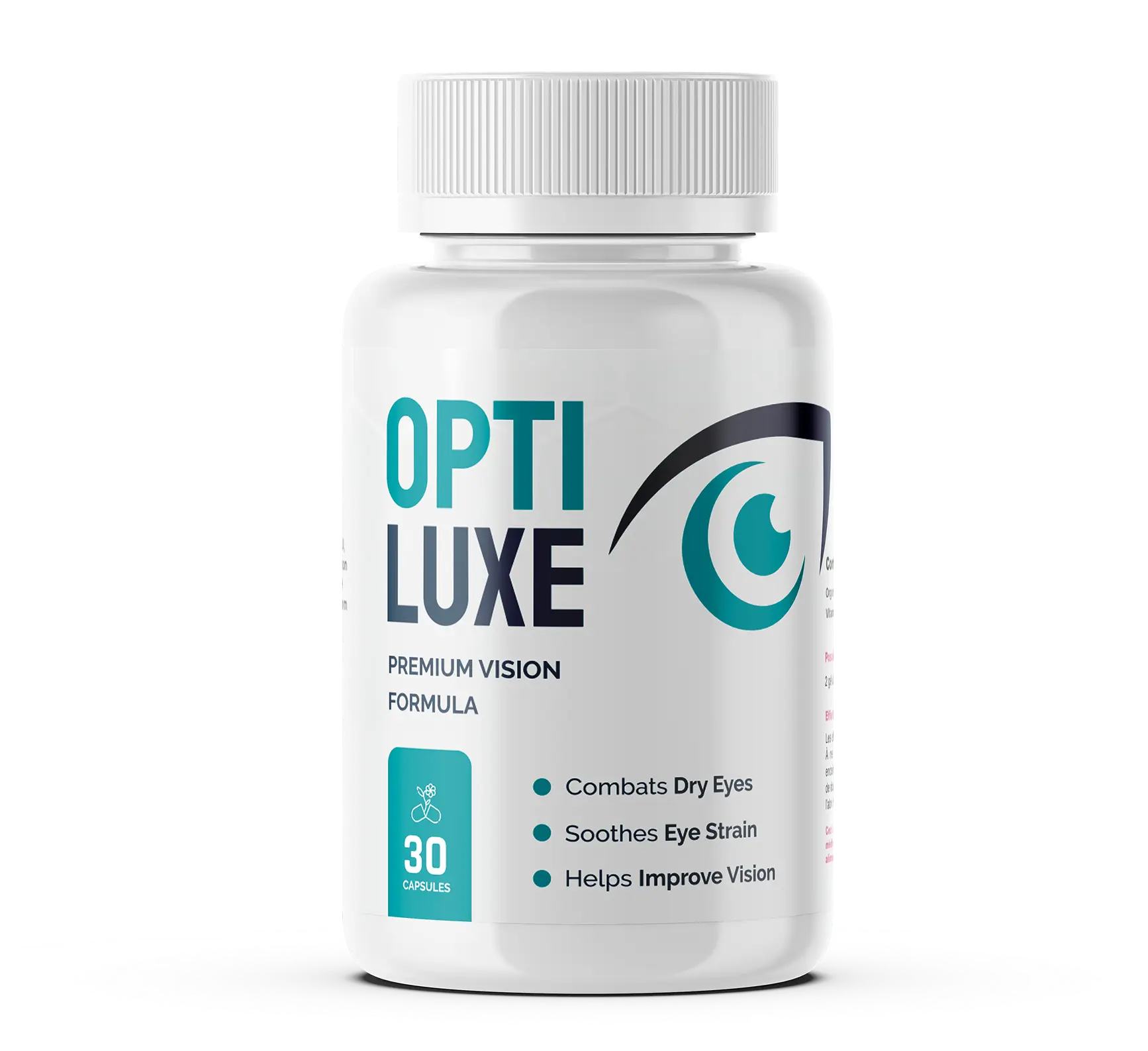
$18
/lead
Joints
Pakistan
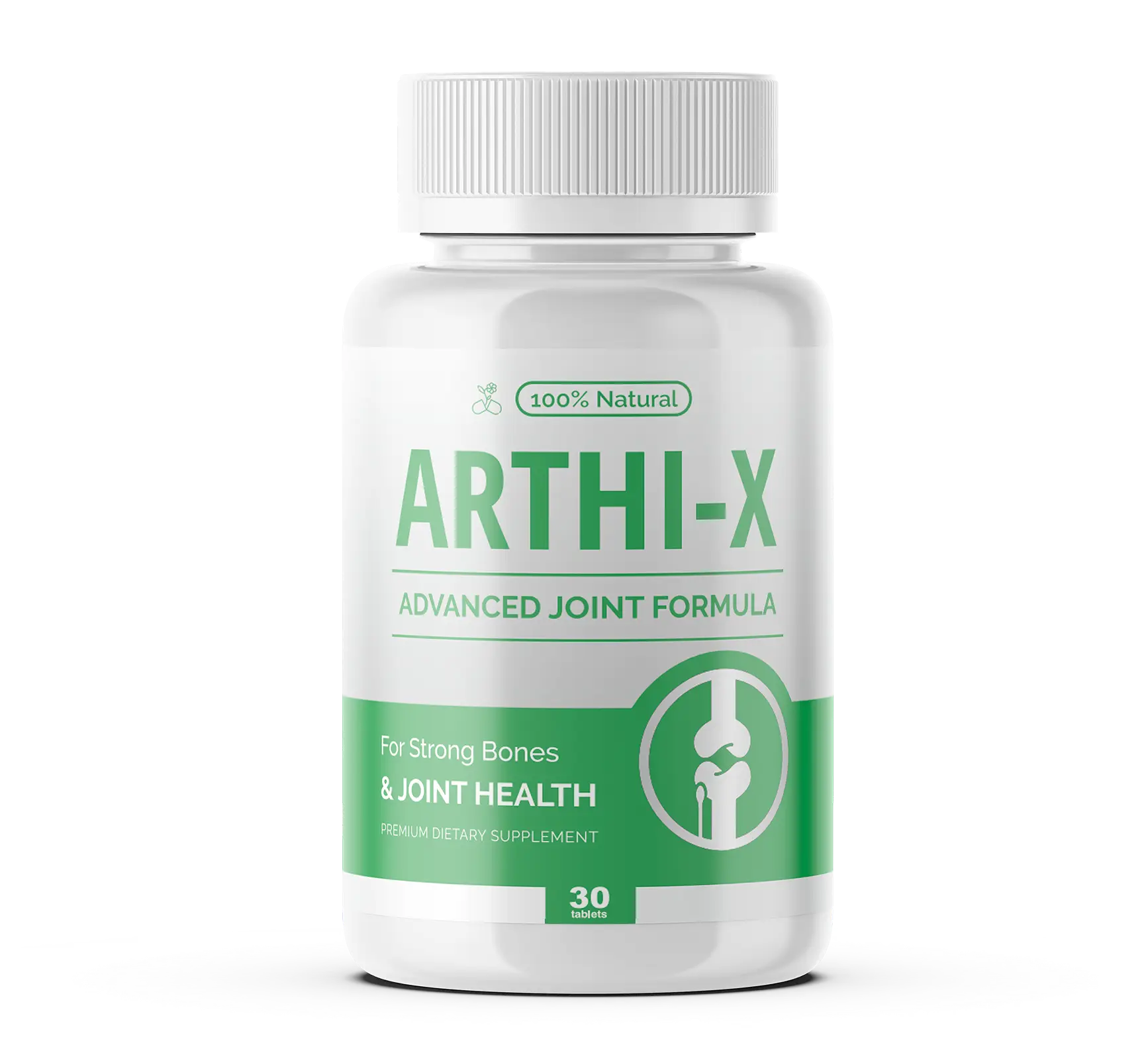
$11
/lead