We use cookies to personalize content and analyze traffic. We share information about your usage with our partners, who may combine it with other data.
Read more

INB Team
September 28, 2026


An affiliate program pays third-party marketers per confirmed action. A referral program rewards existing customers for recommending the product to friends. That is the entire difference in one sentence, and it matters a great deal depending on what you are trying to do.
If you are a media buyer or content creator looking to earn from traffic, you want an affiliate program. If you already use a product and want to share it with a friend for a small reward, you want a referral program. The two are built differently, pay differently, and require completely different levels of effort.
A business pays external marketers, called affiliates, a commission for driving specific actions such as a confirmed sale, a qualified lead, or a completed order. The affiliate is not a customer of the business. They are an independent performance marketer who drives traffic professionally and earns based on results.
The standard model is CPA (cost per action): the affiliate receives a fixed amount each time a confirmed conversion occurs. Some programs use RevShare instead, where the affiliate earns a percentage of each sale on an ongoing basis.
Affiliate programs are designed to support real marketing activity. Someone running paid traffic on Facebook or push networks carries ad spend costs and needs payouts that make that spend viable. CPA rates in health and wellness performance marketing typically run from $10 to $50 per confirmed order.
🌿 Read also: CPA vs RevShare: Which Pays More for Affiliates?
A referral program rewards existing customers for recommending the product to people they know. The referrer already uses the product and receives a reward, typically a discount, account credit, or small cash amount, when someone from their personal network makes a purchase.
Referral programs are word-of-mouth systems. They are calibrated for casual activity: a customer gets a personal link, shares it with a handful of people, and earns something modest if those people convert.
Most referral rewards fall between $5 and $20 in credit or cash. Some programs offer a percentage discount on a future purchase. These amounts are not designed to support a marketing operation. They are a way for businesses to incentivize organic sharing from their existing user base.
You have probably seen both terms used in the same breath. They are not the same thing, and mixing them up costs people real money.
| Criteria | Affiliate program | Referral program |
| Who participates | External marketers, media buyers, publishers | Existing customers |
| Prior purchase required | No | Yes |
| How traffic is generated | Paid ads, SEO, content, email lists | Personal recommendations |
| Typical payout | $10 to $50+ CPA or RevShare % | $5 to $20 in credits or cash |
| Scale potential | High: no ceiling on traffic volume | Low: limited to personal network |
| Management complexity | Higher: tracking, creative, compliance | Lower: simple invite links |
| Best use case | Customer acquisition at scale | Organic word-of-mouth growth |

Affiliate programs pay more, and the gap is not small.
A media buyer running 100 confirmed orders per month at $15 CPA earns $1,500. A customer who refers two friends and earns $10 each earns $20. Both are valid uses of each model. They are not comparable as income strategies.
The tradeoff: affiliates carry risk and invest in their campaigns. Referrers share a link and wait. The payout difference reflects that asymmetry exactly.

Join an affiliate program if:
Use a referral program if:
The two are not interchangeable. Treating a referral program as an income stream is like treating a discount code as a salary. And running affiliate traffic without the right setup, meaning a tracker, a compliance-ready creative, and a network that supports your traffic source, is how people burn ad spend without understanding why it is not working.
INB’s program is built for media buyers and experienced affiliates running real volume. The payout is $11 to $23 per confirmed COD order depending on the GEO and the offer. That is a professional payout structure for people driving real campaigns, not a $10 credit for sharing a link with friends.
The model works like this: INB develops its own health and wellness products, runs native-language call centers in each of its 15 active GEOs, and manages COD fulfillment end to end. When an affiliate drives a lead, the call center contacts the customer, confirms the order, and the lead is approved after the customer accepts delivery. The affiliate earns the CPA payout. Payments go out twice a week with no minimum threshold.
The program covers 100+ exclusive nutra offers across joint health, prostate health, and metabolic health categories in markets across Africa, MENA, South Asia, and Latin America. There is no minimum traffic volume required to join.
🌿 For more on how the payout mechanics work in practice, see the full breakdown on CPA payout meaning.
Affiliate programs and referral programs are not variations on the same thing. They are different tools built for different people.
If you are a marketer who buys traffic or publishes content, an affiliate program is where professional income comes from. If you are a satisfied customer who wants to share something with friends for a small reward, a referral program is what you are looking for.
Knowing the difference before you sign up saves you the frustration of expecting affiliate-level payouts from a referral link, or trying to run a casual referral as a business. Join INB free and get your first campaign live this week.

An affiliate program pays external marketers per confirmed action (sale, lead, confirmed order). A referral program rewards existing customers for recommending the product to people they know. Affiliates are not required to be customers. Referrers already use the product.
Affiliate programs pay more. CPA payouts in performance marketing typically run $10 to $50+ per confirmed action. Referral rewards are usually $5 to $20 in credits or small cash amounts. The difference reflects the work involved: affiliates run paid campaigns, referrers share a link.
Yes. They are not mutually exclusive. You can run affiliate campaigns professionally and separately use a referral program as a customer of a product you already buy. They require different levels of effort and pay at different scales.
We operate across 15+ countries with low competition and exceptional profit potential. Our focus covers high-growth regions for scalable traffic and conversions.


3+ offers

22% app.

2+ offers
23% app.

15+ offers
24% app.

9+ offers
24% app.

8+ offers
23% app.

2+ offers
21% app.

1+ offers
16% app.

3+ offers
20% app.
Our product line is built for results: every offer is tested, localized, and ready to scale.

Prostatitis

Pakistan
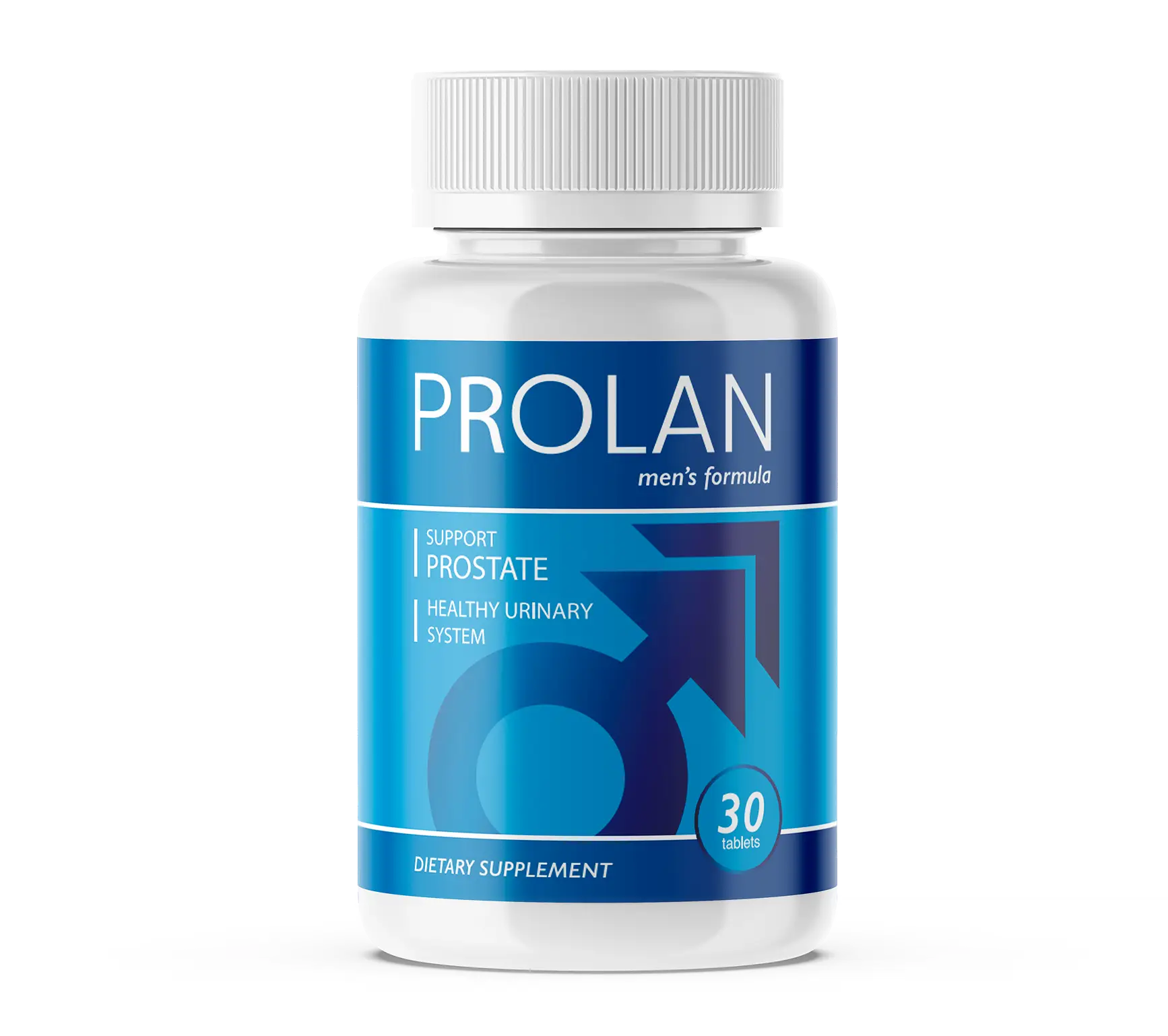
$11
/lead
Prostatits
Tunisia
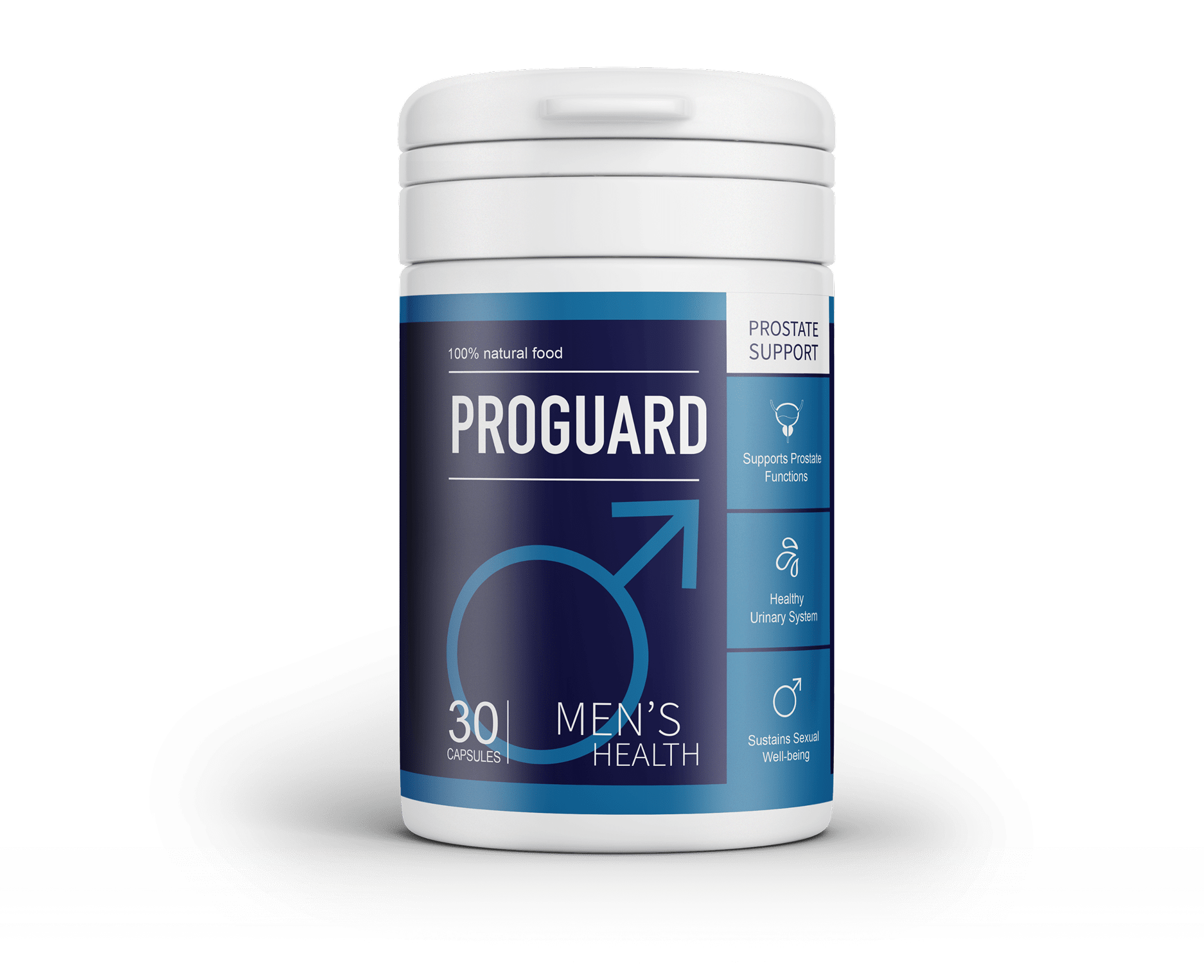
$17
/lead
Joints
Tanzania
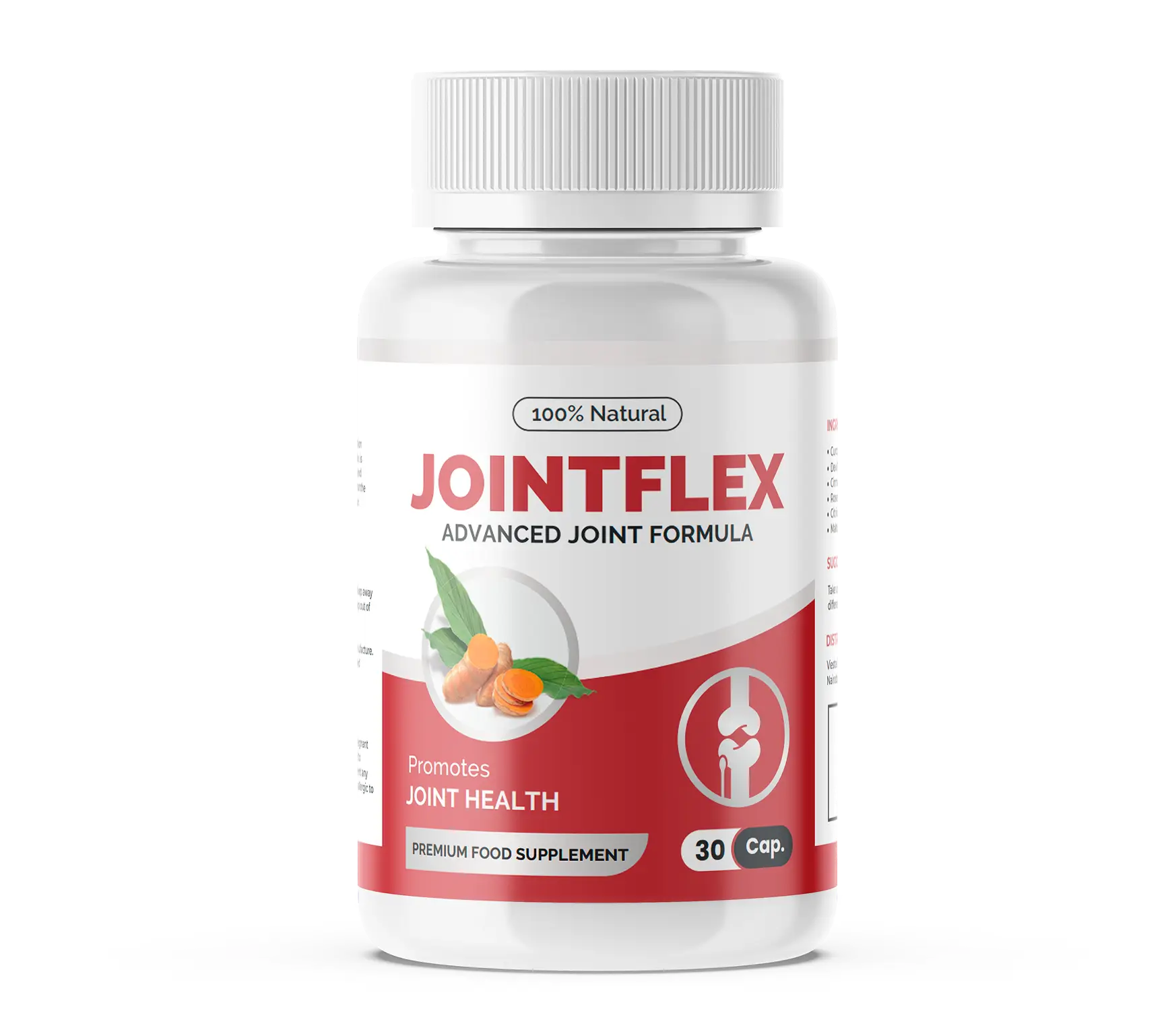
$15
/lead
Parasites
Ivory Coast
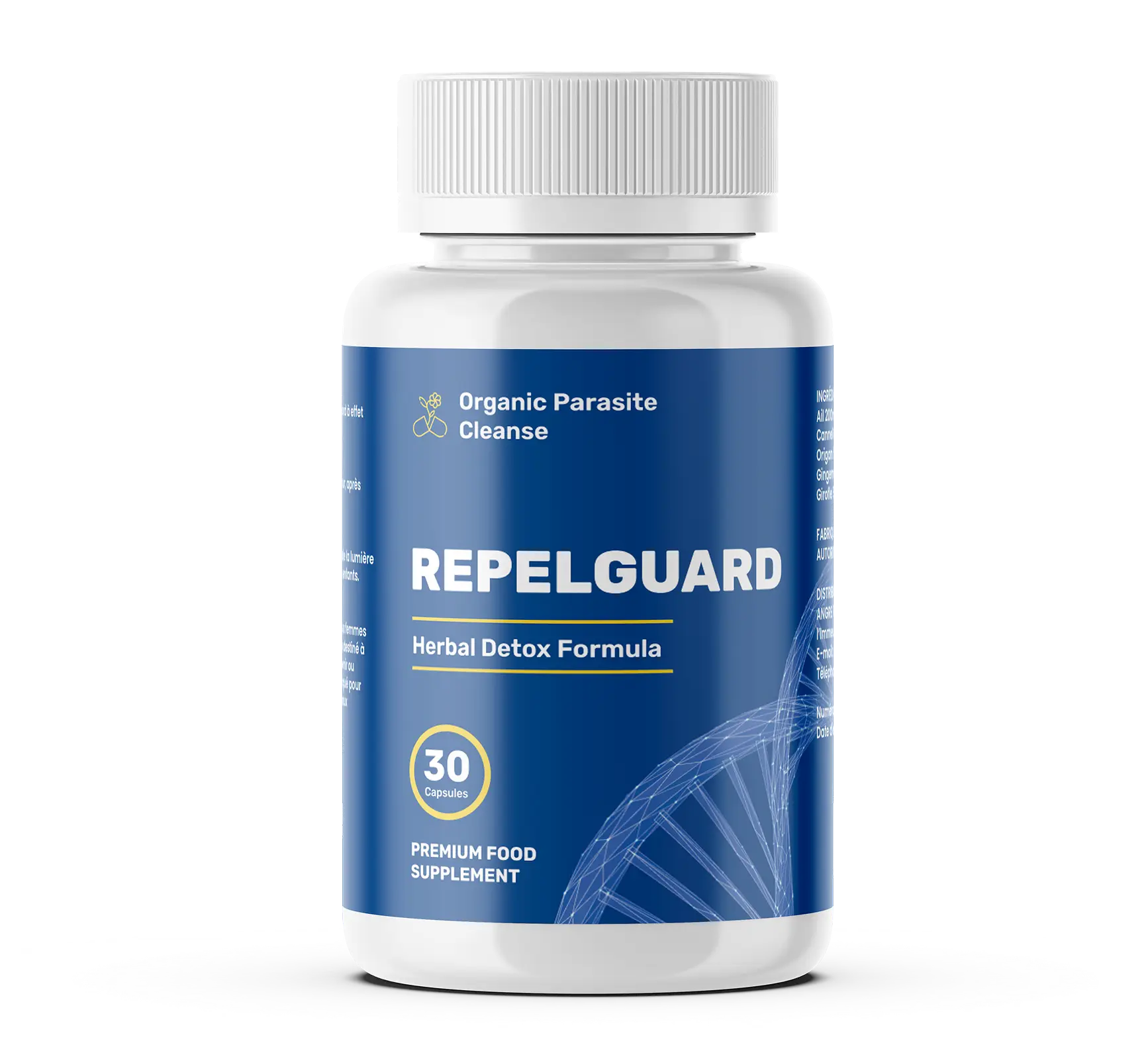
$18
/lead
Diabetes
Ivory Coast
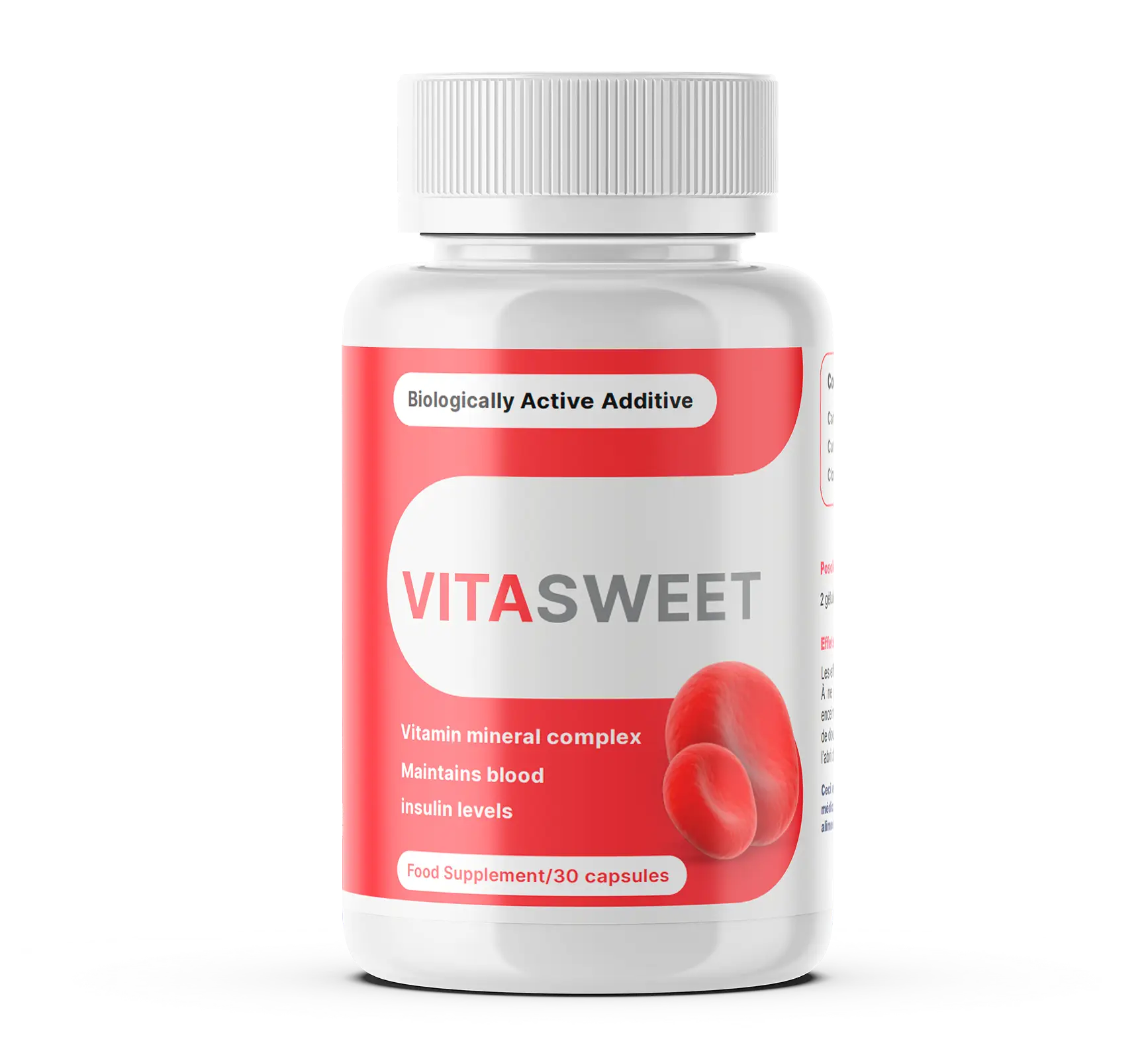
$21
/lead
Cardiology
Ivory Coast
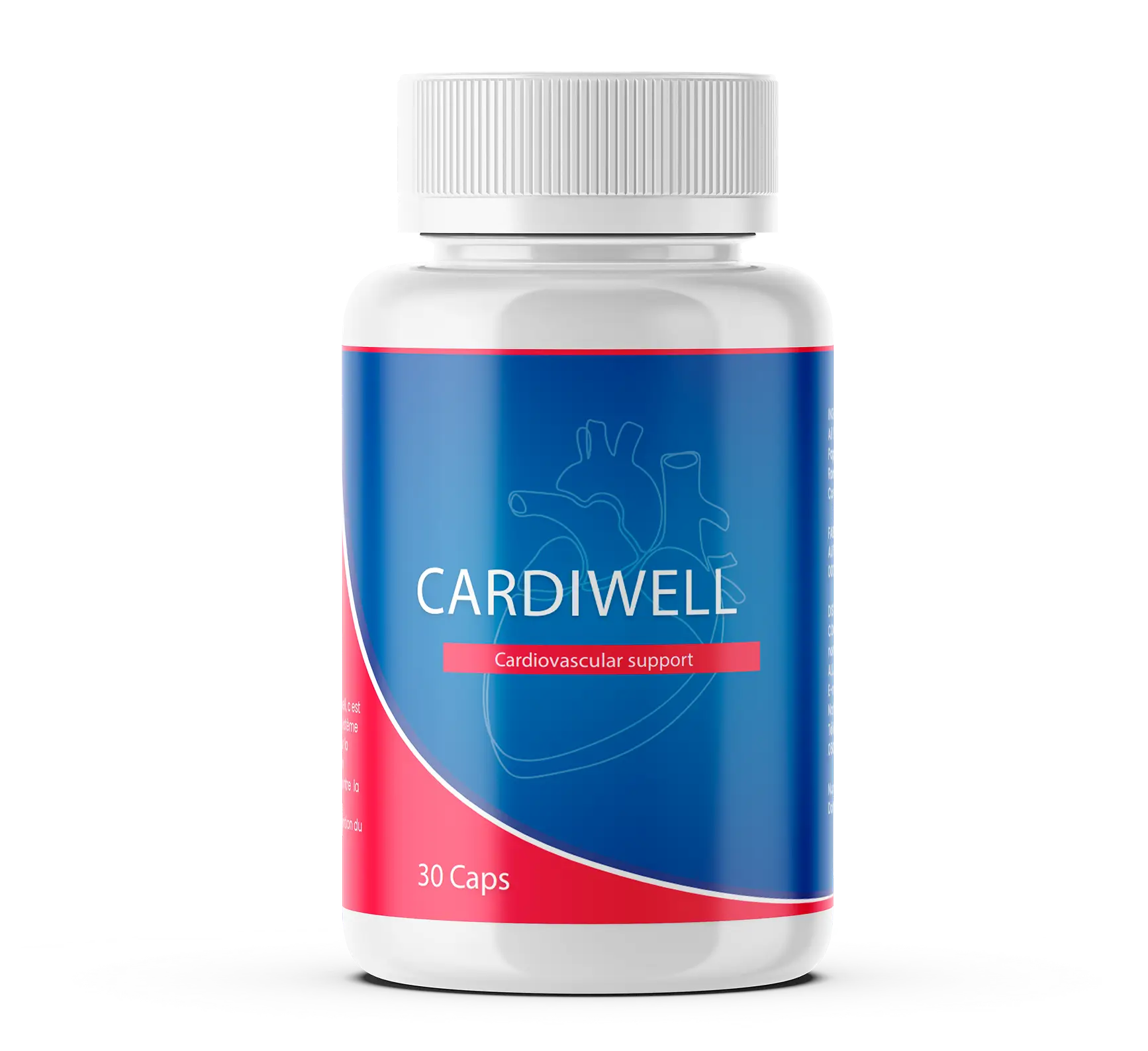
$18
/lead
Cardiology
Morocco
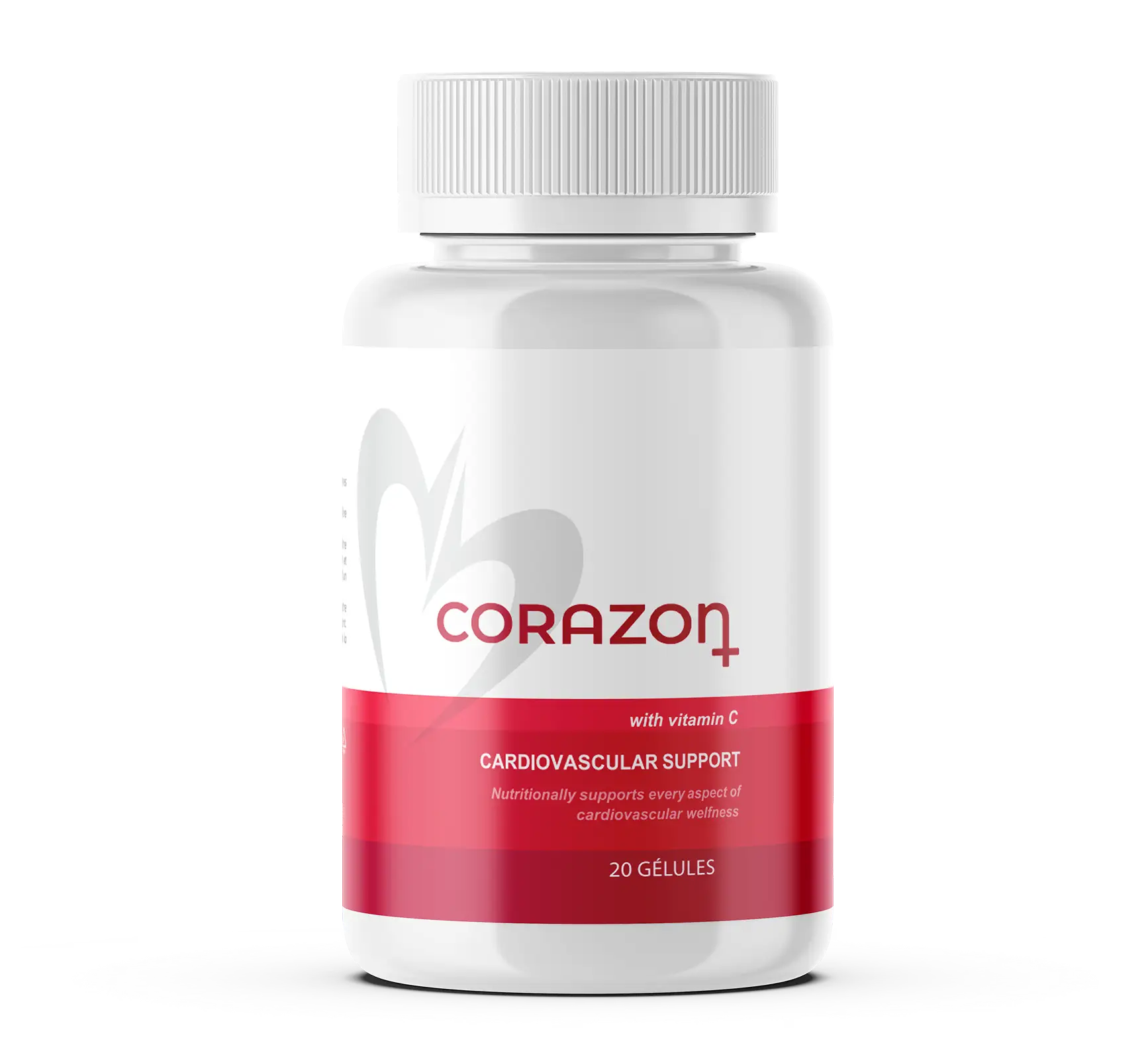
$21
/lead
Joints
Morocco
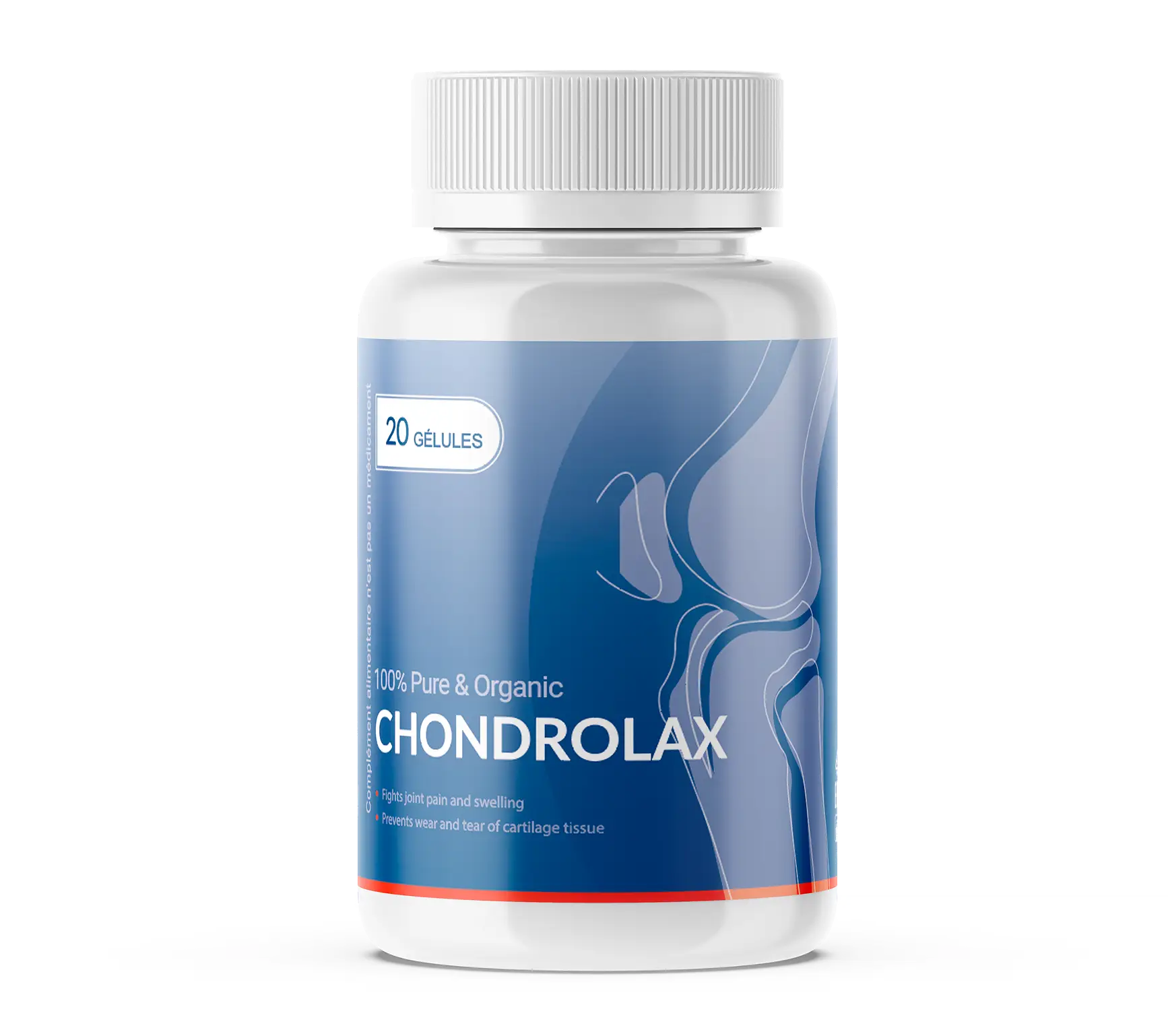
$18
/lead
Joints
Ivory Coast
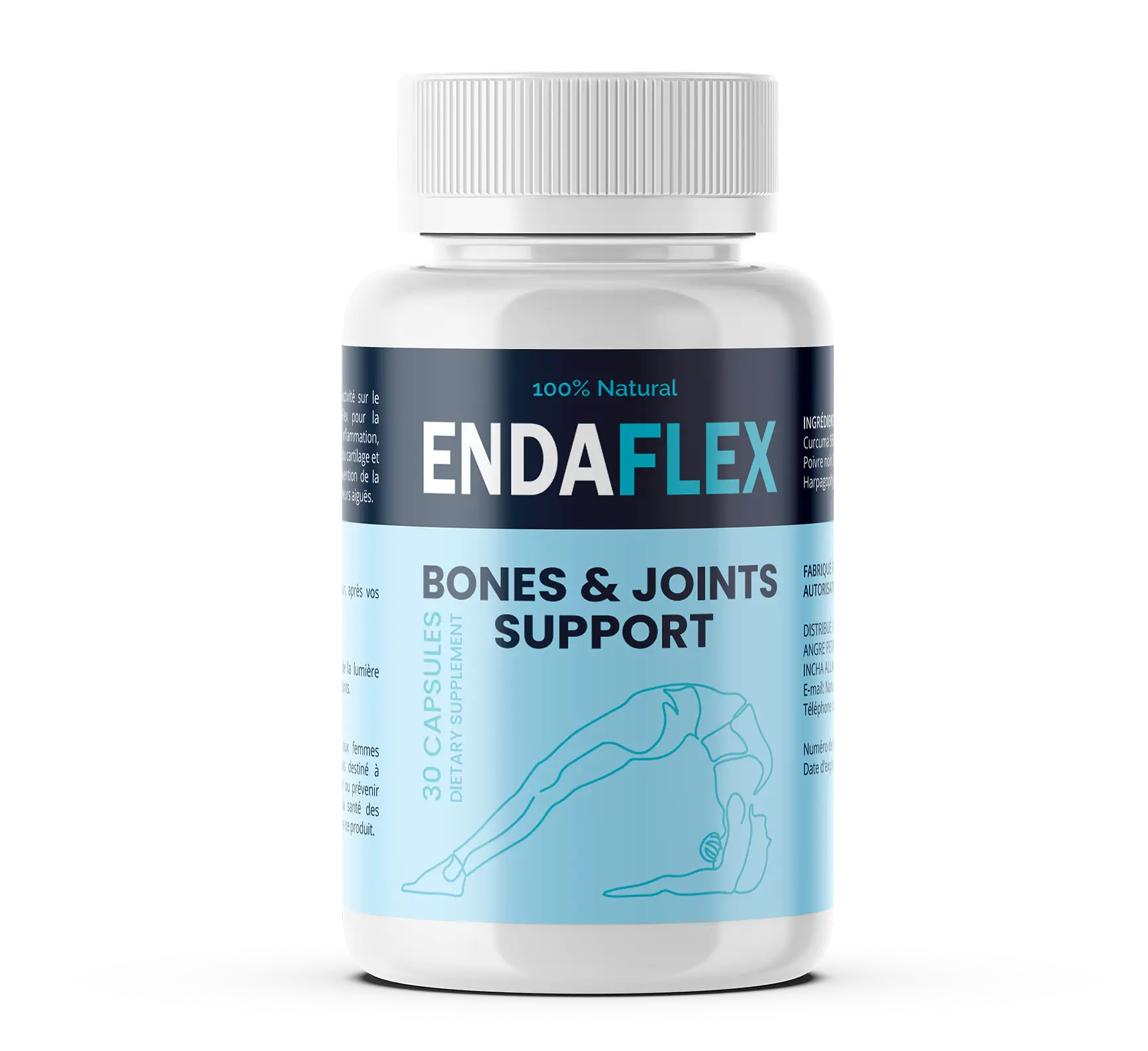
$21
/lead
Weight loss
Morocco
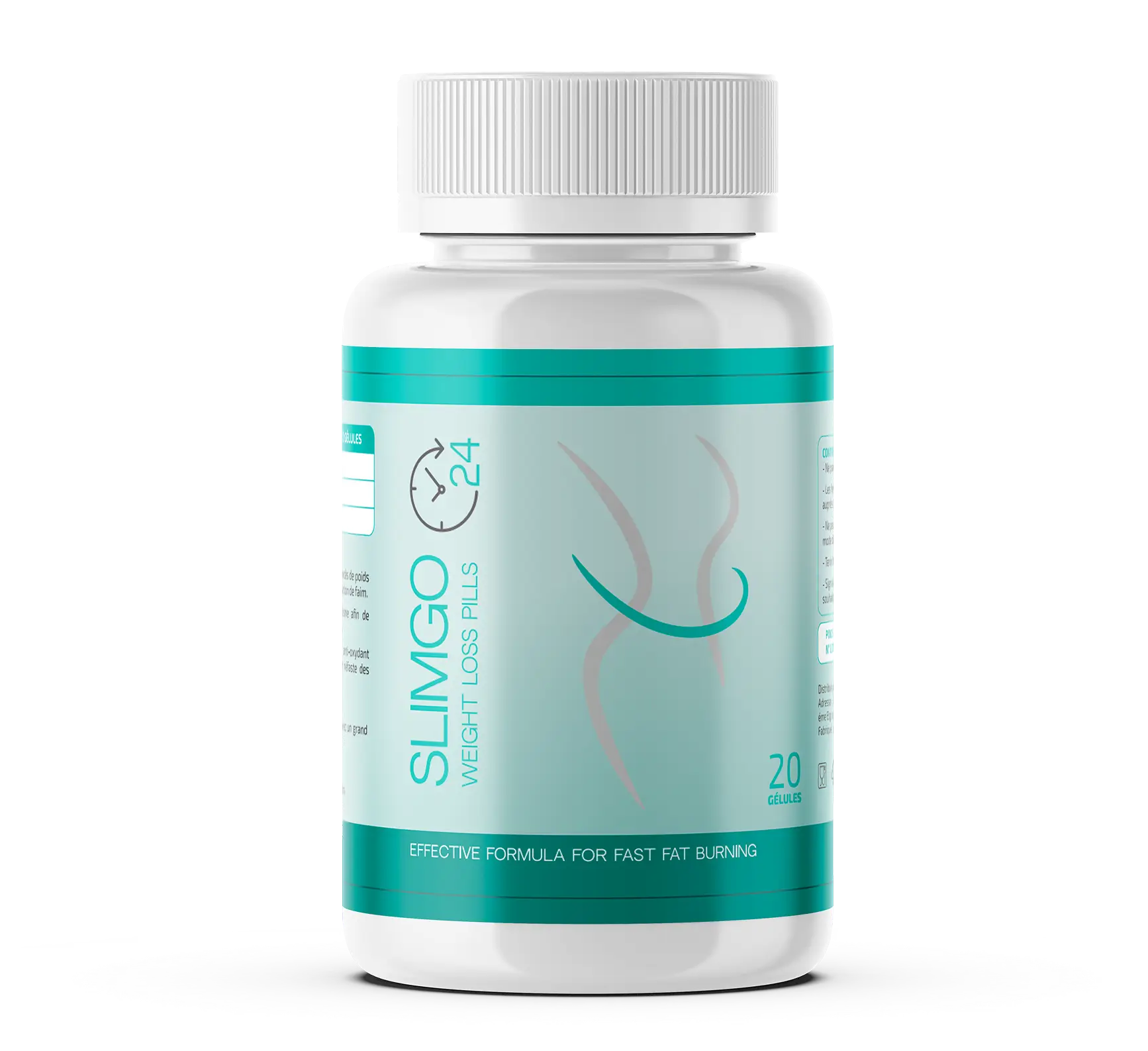
$18
/lead
Bust
Ivory Coast
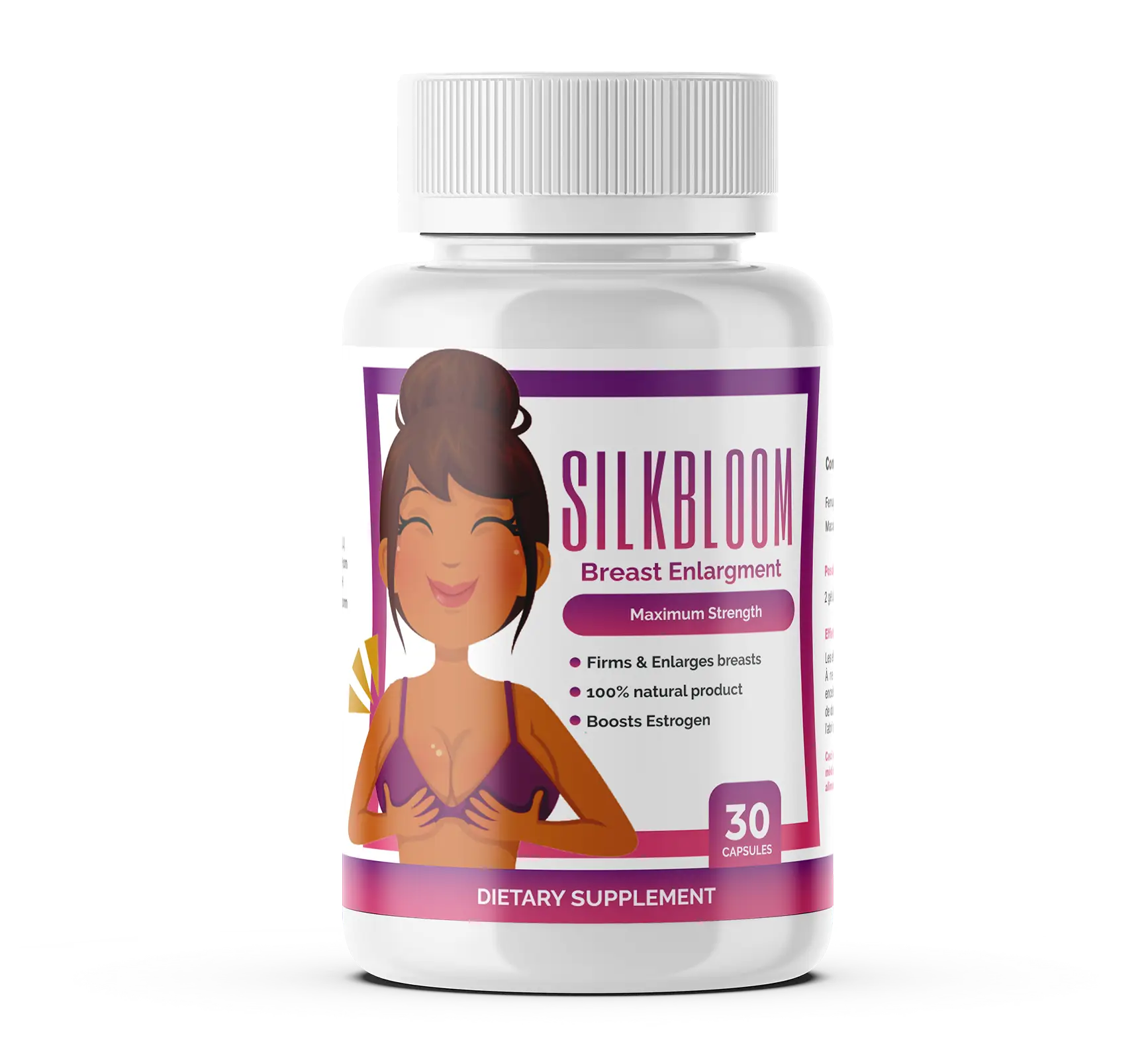
$19
/lead