We use cookies to personalize content and analyze traffic. We share information about your usage with our partners, who may combine it with other data.
Read more

INB Team
June 19, 2026


For many people, affiliate marketing is still associated with blogs, websites, and long-term traffic building. But if your goal is to quickly test an offer and understand whether it can generate results, paid advertising works much faster. That’s why many affiliates start not with content creation, but with traffic testing.
This approach allows you to avoid spending months preparing. All you need is an offer, a simple landing page, an ad account, and a budget for the first launch. Within just a few days, you can see how the audience reacts to your creatives, what your lead cost looks like, and whether the campaign is worth scaling.
In this article, we’ll break down how to do affiliate marketing without a website, how much money you need to get started, and which paid traffic sources for affiliate marketing work best for launching campaigns.
🌿 Also read: “Affiliate Marketing for Beginners: Your First $1,000”

When it comes to paid traffic for affiliate marketing, Facebook and Instagram are often the first entry point. They offer massive audiences, advanced algorithms, and the ability to quickly understand whether your offer actually grabs attention.
But there’s one catch: moderation rules are extremely strict. Facebook carefully reviews not only the ad itself but also the page users land on. Aggressive claims, unrealistic “before and after” results, promises of fast money, or direct affiliate links are among the most common reasons for bans. That’s why most campaigns use a separate landing page with a domain.
Important: this is not website building. In most cases, it’s literally just one page with a short product description, a few images, and a button leading to the offer.
To launch, you usually only need:
Facebook works especially well for nutra offers, physical products, subscriptions, online courses, and various lead generation models. Offers that allow you to quickly demonstrate a problem or result through creatives tend to perform best.
Another mistake that quickly burns through your budget is launching ads with only $10–20. The algorithm simply doesn’t have enough data to understand who should see your ads. That’s why most affiliates allocate at least $50–100 for a single test.
For example, if you test two different creatives at $50 each, your starting budget is already around $100. And that’s without scaling. But this type of launch allows you to see which creative delivers cheaper leads, which ads your audience responds to better, and whether users actually reach the conversion stage.
In the US, UK, or Australia, ad impressions often cost $8–20 per thousand views, so a $100 budget may generate only 1–2 conversions. For example, if your ads get around a 2% CTR and your landing page converts roughly 3% of visitors, with a $30 payout per confirmed action you could earn around $30–60 in revenue from $100 in ad spend. For an initial test, this is completely normal – early Facebook campaigns are primarily about finding creatives and audiences that can later be scaled.
Facebook is often one of the first traffic sources for people learning how to start affiliate marketing without a website and wanting to test offers quickly on a real audience.
TikTok is no longer just a platform for entertaining videos – it’s now one of the fastest-growing traffic sources for affiliates. Advertising is usually cheaper than on Facebook, and new creatives can go viral within hours.
But TikTok has one important rule: the first few seconds decide everything. If your video doesn’t hook viewers immediately, they’ll just scroll past it. That’s why success here depends less on “perfectly designed” ads and more on grabbing attention fast. Motion, delivery, visual hooks, and opening scenes often impact performance more than the actual text.
The best-performing offers on TikTok are usually:
At the same time, TikTok’s algorithm requires more learning data than Facebook’s. If you launch campaigns with a small budget, they may stay in the learning phase for too long and never reach stable performance.
That’s why launches usually start with at least $50–100 per ad group. TikTok itself recommends generating around 50 conversions per week for stable optimization. If your target payout is around $15 per action, that already implies a weekly budget of roughly $750 for full algorithm training.
Because of this, smaller-budget campaigns are often optimized not for purchases right away, but for cheaper actions – such as landing page visits or button clicks. This helps TikTok gather audience data faster and improve targeting accuracy.
Just like on Facebook, direct affiliate links don’t perform well here, so campaigns usually use a landing page with a domain. TikTok also carefully moderates ads related to health, finance, and adult content.
However, in Tier-3 GEOs, TikTok can provide extremely cheap traffic. In countries like Kenya, Morocco, or Pakistan, ad impressions often cost around $2–8 per thousand views.
Native advertising looks completely different from Facebook or TikTok ads. Instead of seeing a flashy “buy now” ad, users see what looks like a recommendation, news story, or expert article – that’s exactly why it’s called native advertising.
You’ve definitely seen headlines like: “Doctors Are Shocked…”, “A Man from Morocco Found a Way to Beat Prostatitis…”, “A New Method for Improving Joint Mobility…”.
At first glance, this looks like a normal article rather than an ad. And that’s exactly why native advertising works differently. People click not because they’re ready to buy, but because they become curious about the story or the problem being discussed.
A classic native campaign looks like this: headline → article-style page → story → transition to the offer at the end.
Essentially, it’s a promotional article disguised as regular content.
You don’t need a full website here either. Most launches use a single page with text, photos, and a CTA button. Typically, it’s a 600–800-word article hosted on a domain that costs around $15 per year.
With native ads, the key is avoiding aggressive selling. Fake “before and after” images, easy-money stories, or celebrity photos used without permission get banned quickly. A natural-looking story or educational article works much better.
Another thing to keep in mind: native advertising usually requires bigger budgets than Facebook. While $100 may sometimes be enough for a social media test, native campaigns often require at least $200–300. A common setup is spending $30–50 per day for a week so the algorithm has enough time to find the right audience.
In exotic GEOs such as Algeria, Venezuela, or Tanzania, native ad clicks often cost around $0.05–0.30. In Tier-1 GEOs like the US or UK, click prices are much higher and often reach $0.40–1.50 per click.
For example, with a $0.10 CPC, a $100 budget can generate around 1,000 article visits. If roughly 3% of users continue to the offer, that’s already about 30 interested visitors. And if the offer itself converts at even 5%, you may already see your first 1–2 sales or leads.

Push ads are one of the easiest ways to quickly generate a large amount of traffic even with a small budget. These ads look like regular browser or mobile notifications: a small icon, a short headline, and a few words of text. No videos, complex editing, or long creatives required.
That’s exactly why push ads often become the first step into affiliate marketing for beginners without a website, especially in the nutra vertical. They work well for health offers, mobile apps, dating, sweepstakes, and gaming.
One of the biggest advantages of push traffic is the low entry cost. In many GEOs, clicks cost around $0.01–0.05, so even a $50 budget is enough to drive a significant number of visits and understand whether the campaign has potential.
For example, at a $0.01–0.05 CPC, a $50 budget can generate anywhere from 1,000 to 5,000 visits. If the offer converts at even 2%, that’s already enough to see initial results and decide whether the campaign is worth scaling further.
Another advantage is that push campaigns can sometimes run without a landing page at all. Users go directly to the offer through an affiliate link. However, this depends on the ad network and vertical, so it’s always best to check the rules before launching.
At the same time, it’s important to understand that push traffic quality varies significantly. “Fresh” users – people who recently subscribed to push notifications – usually perform the best. Most networks allow you to target this audience separately, and it’s definitely worth doing, even if the traffic costs slightly more.
Many affiliates use push ads as a fast and low-cost way to test a new offer or creative before investing larger budgets.
Solo ads work very differently from traditional paid traffic. Instead of running campaigns through Facebook or TikTok, you’re essentially “renting” someone else’s email list.
That’s why solo ads rarely work well for nutra, physical products, or gaming. They perform best with offers related to making money, online education, finance, and various “make money online” verticals. People on these email lists are already used to seeing affiliate promotions, so they respond much better than random audiences.
The most popular platform for these campaigns is Udimi. There, you can check seller ratings, reviews, and traffic quality. Beginners usually look for sellers with strong ratings and audiences from the US, UK, or Australia.
However, there’s an important catch: solo ad traffic quality varies a lot. One seller may deliver a highly engaged audience with conversions, while another may send “dead” clicks with zero results. That’s why almost every affiliate starts with a small test campaign.
On average, clicks cost around $0.35–0.70, so an initial test usually requires $50–100 for 100–200 visits. After launch, affiliates analyze whether users actually reach the page, whether clicks are real, and whether the campaign generates at least a few leads or sales.
These campaigns often use a simple email capture page instead of a direct offer. This prevents traffic loss after a single click. If users don’t buy immediately, they can still be monetized later through email follow-up sequences.
And that’s the biggest advantage of solo ads: even if your first campaign doesn’t become profitable immediately, you still build your own contact list that can be monetized again later.
So, to get started with paid traffic sources for affiliate marketing, you usually only need a few basic things:
🌿 Also read about COD and CPA offers on the INB.bio blog.
Overall, the entire basic setup for initial tests usually costs around $50–80, excluding the advertising budget itself. And for most affiliates, this setup is the entire “website” they need to get started.
The most important thing is not getting stuck in the “I’ll prepare a little more and launch later” stage. In paid traffic, almost nobody starts perfectly. Winning campaigns, strong creatives, and profitable offers are discovered through testing, data, and practice.
If you’ve been trying to understand how to make money with affiliate marketing without a website, want to launch nutra offers with a direct advertiser, and get ready-to-use infrastructure plus team support – join INB.bio.

Yes – and that’s exactly how many affiliates work today in paid traffic. To get started, you only need an offer, a traffic source, and either a simple pre-lander or even a direct link, depending on the ad format. In push traffic, some offers can even run without a landing page at all. That’s why it’s completely possible to start affiliate marketing without a website and without spending money on full-scale web development.
For Facebook, TikTok, and native advertising, the answer is almost always yes. These platforms don’t respond well to direct affiliate links, so affiliates usually use a simple pre-lander with a domain. This is not a full website – just a one-page bridge with a short product description and a CTA leading to the offer. In push advertising, some campaigns can still run directly without a landing page.
For initial push traffic tests, $50 is often enough. For Facebook or TikTok, it’s better to allocate at least $100–200 because the algorithms need data for optimization. If your budget is too small, it becomes difficult to understand whether the issue is the offer, the audience, or the creative itself. In addition, you’ll typically need another $50–80 for a domain, pre-lander, and basic tracking setup.
Push ads usually provide the cheapest traffic. In lower-cost GEOs, clicks often cost around $0.01–0.05, allowing even small budgets to generate meaningful data quickly. However, cheap traffic doesn’t always mean the best quality. Facebook and TikTok may generate more expensive leads, but they’re often more stable. That’s why many affiliates use push traffic for testing and later scale through other paid traffic sources for affiliate marketing.
It depends on your budget, offer, and GEO. For quick and inexpensive testing, many affiliates start with push ads or native advertising. Facebook and TikTok generally provide higher-quality traffic but require larger budgets and stricter moderation approval. For beginners, push ads often remain the easiest entry point.
For beginners, push ads are usually the easiest option. Click prices are low – around $0.01–0.05 in cheaper GEOs – and you can quickly gather your first data even with a budget of around $50. Facebook and TikTok are more challenging because of moderation rules and creative requirements, but they often provide higher-quality audiences and more scaling opportunities.
We operate across 15+ countries with low competition and exceptional profit potential. Our focus covers high-growth regions for scalable traffic and conversions.


3+ offers

22% app.

2+ offers
23% app.

15+ offers
24% app.

9+ offers
24% app.

8+ offers
23% app.

2+ offers
21% app.

1+ offers
16% app.

3+ offers
20% app.
Our product line is built for results: every offer is tested, localized, and ready to scale.

Prostatitis

Ivory Coast
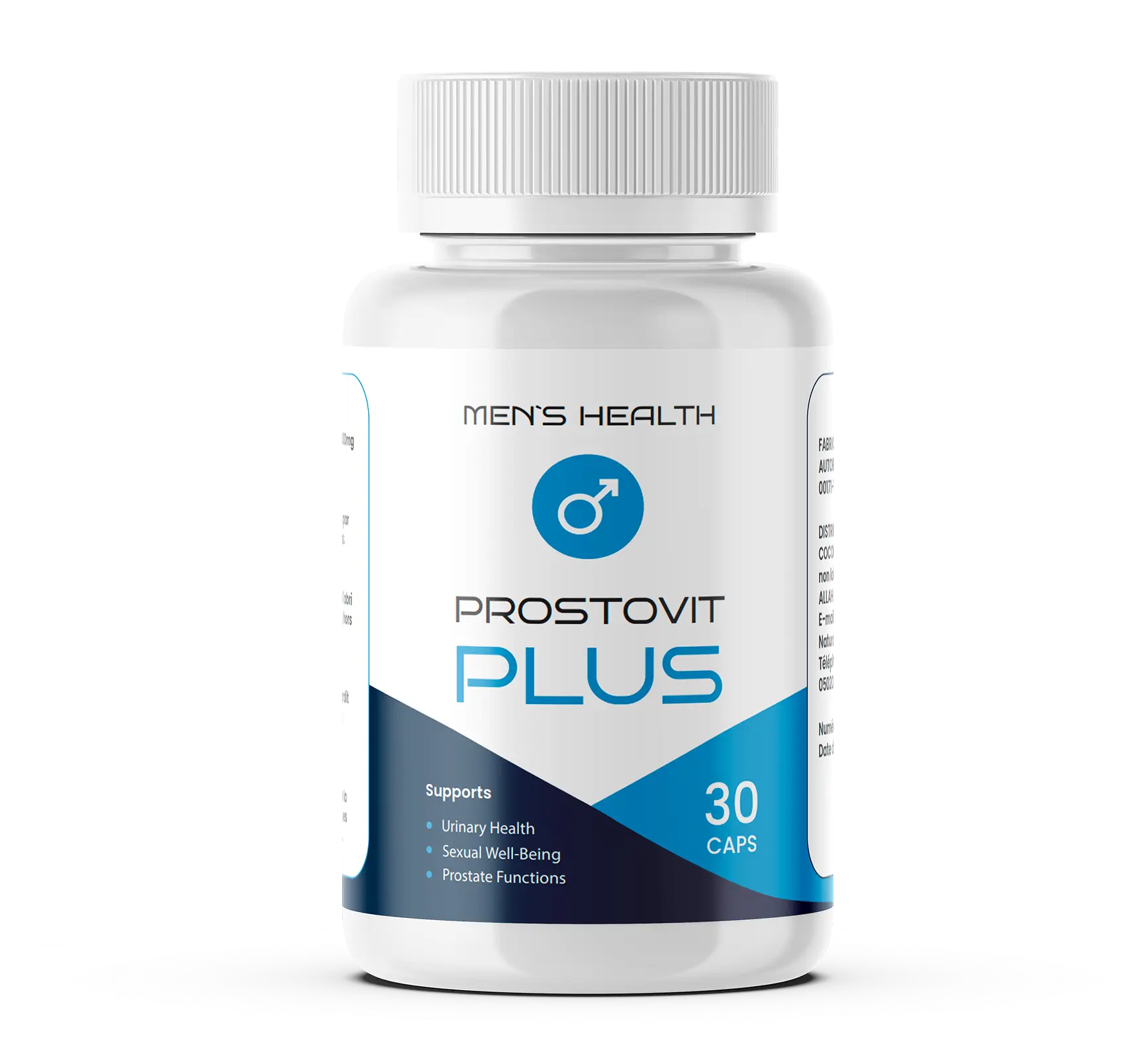
$19
/lead
Prostatits
Tunisia
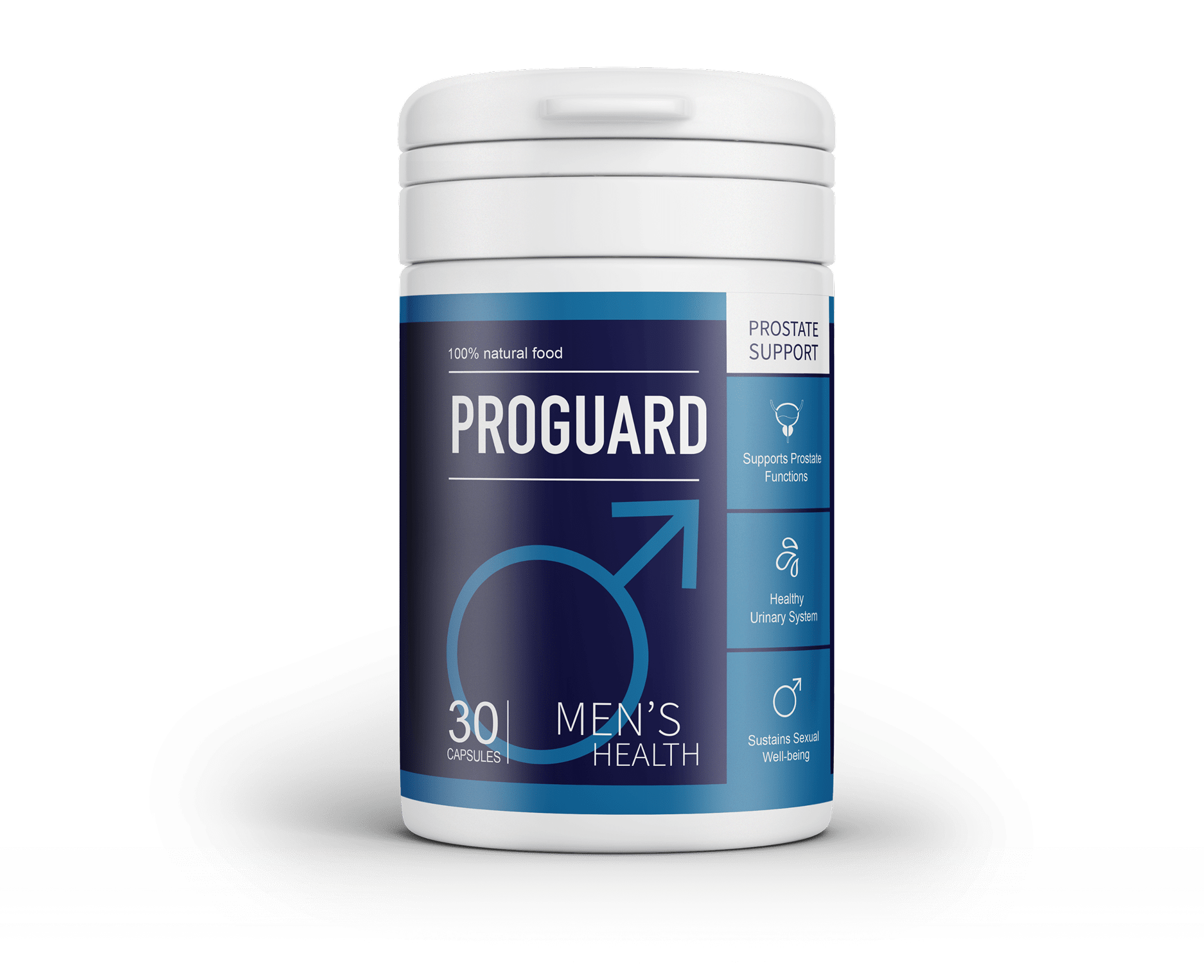
$17
/lead
Joints
Ivory Coast
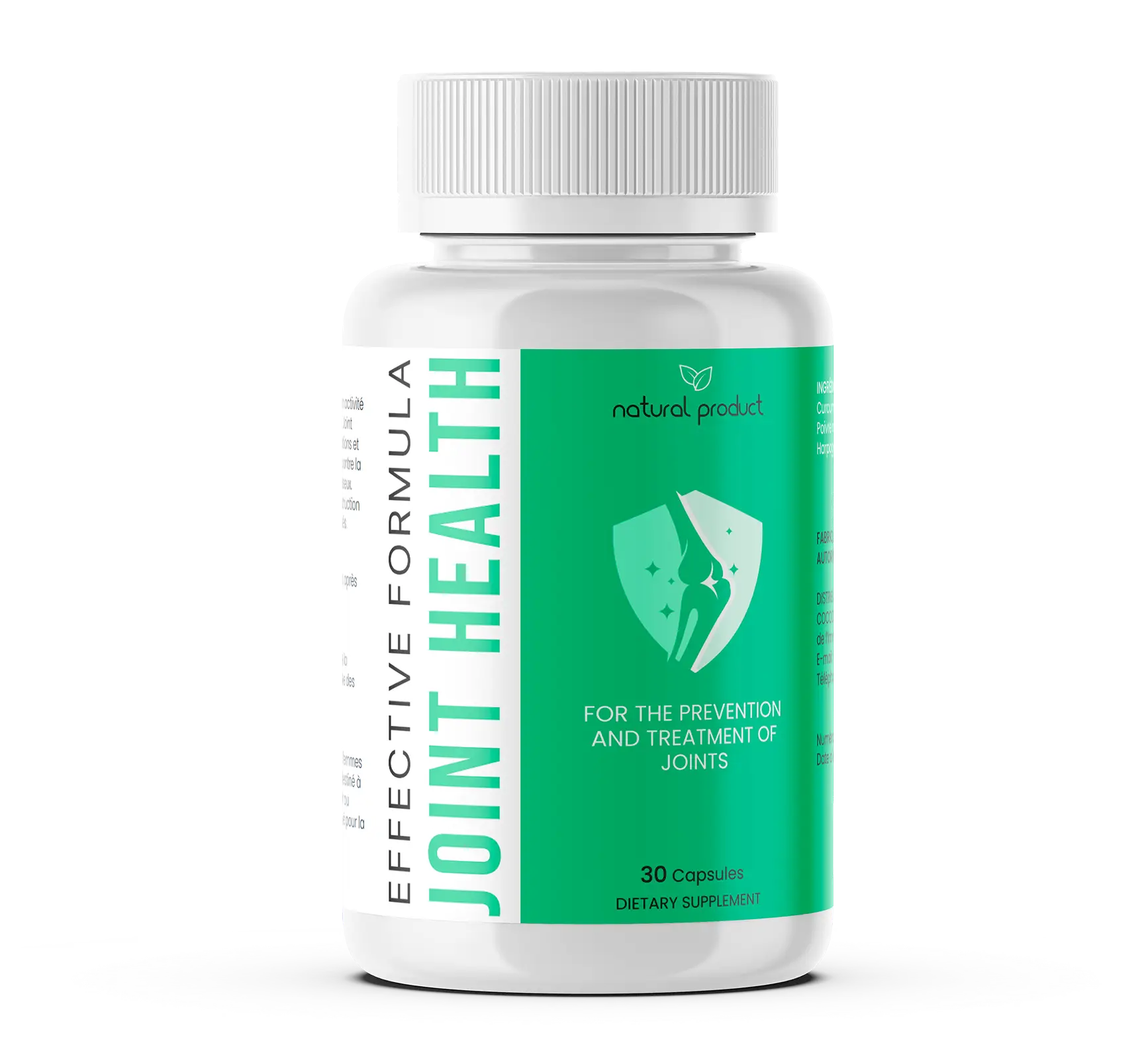
$23
/lead
Joints
Ivory Coast
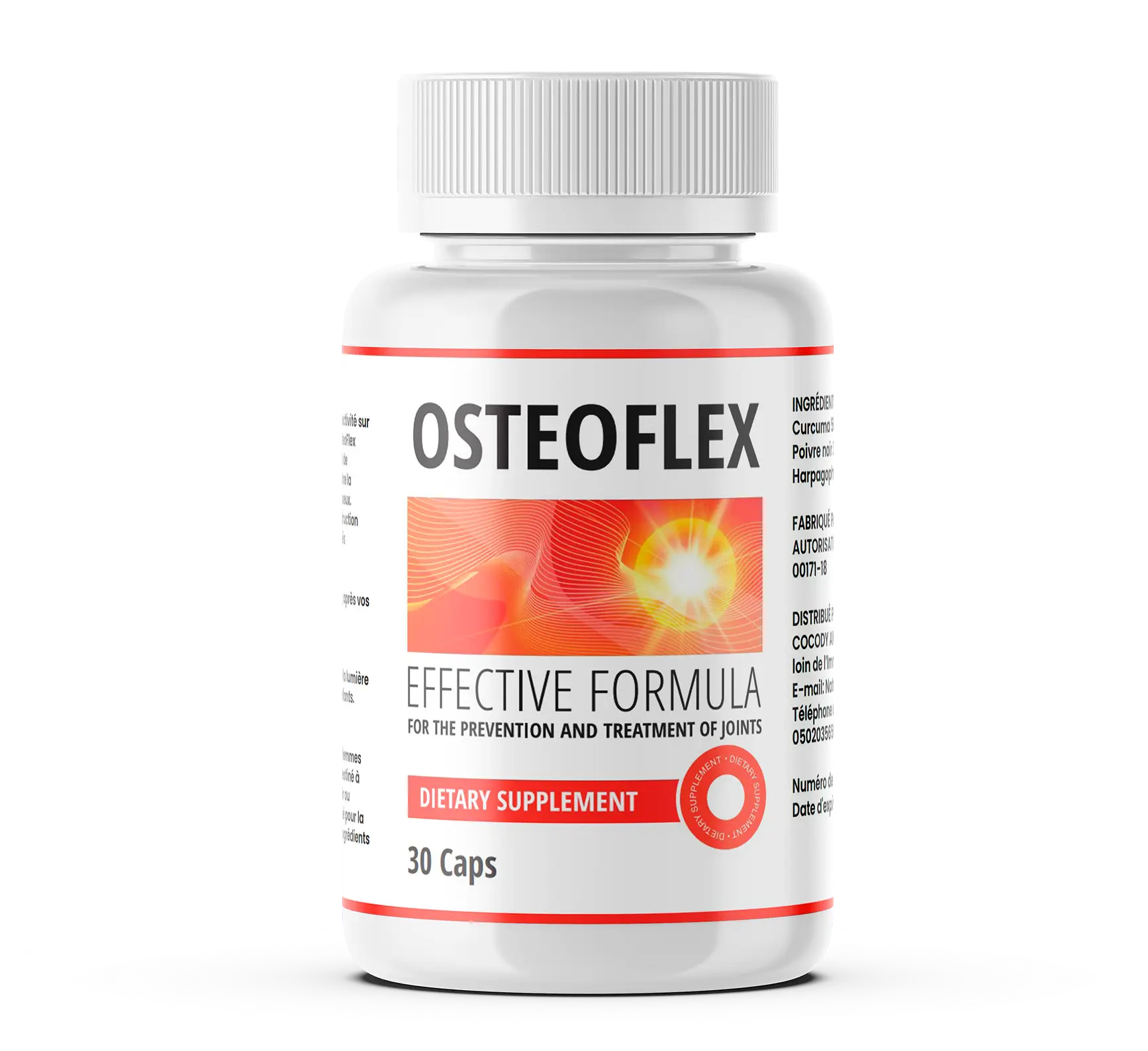
$23
/lead
Joints
Tanzania
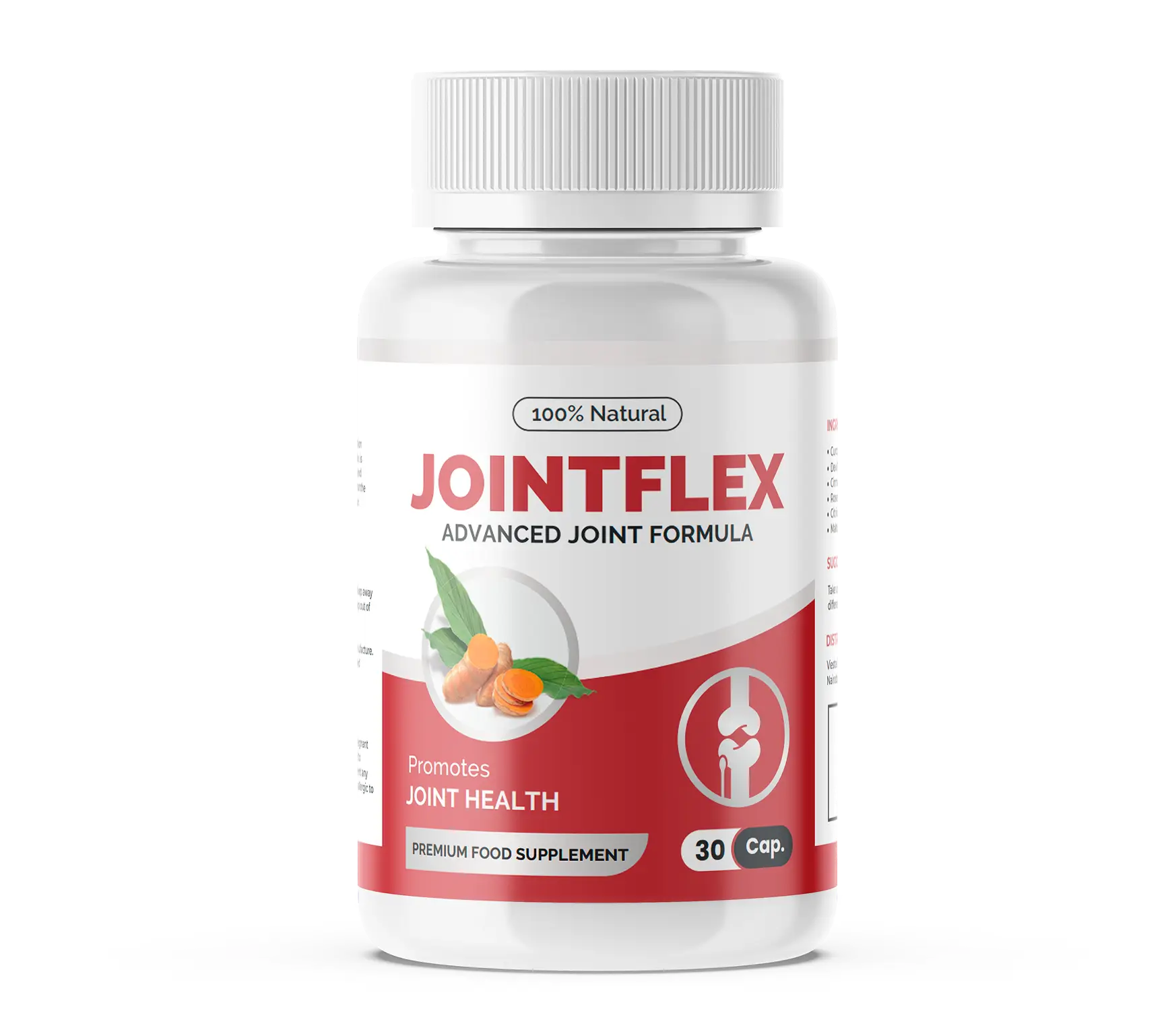
$15
/lead
Joints
Morocco
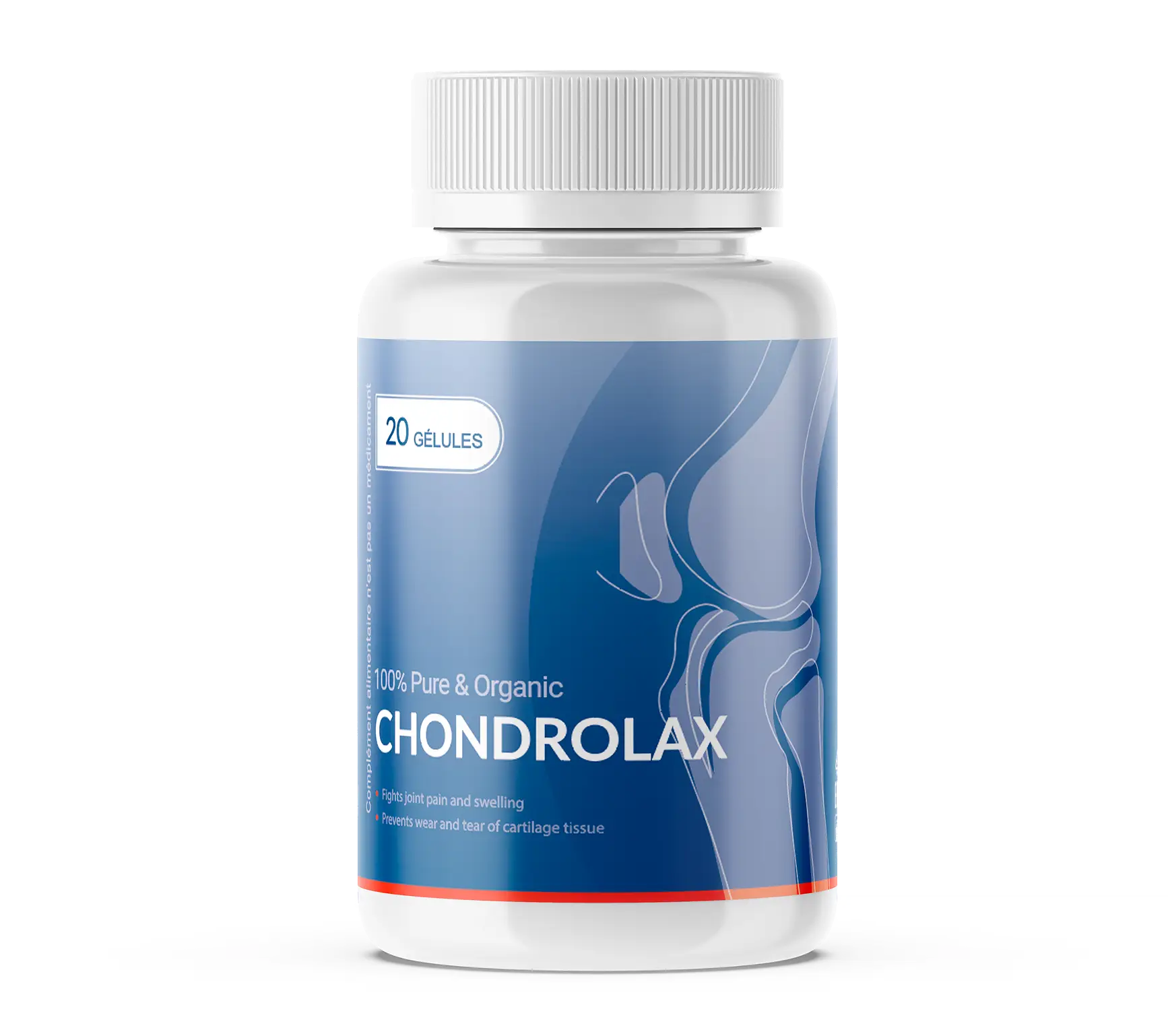
$18
/lead
Weight loss
Pakistan
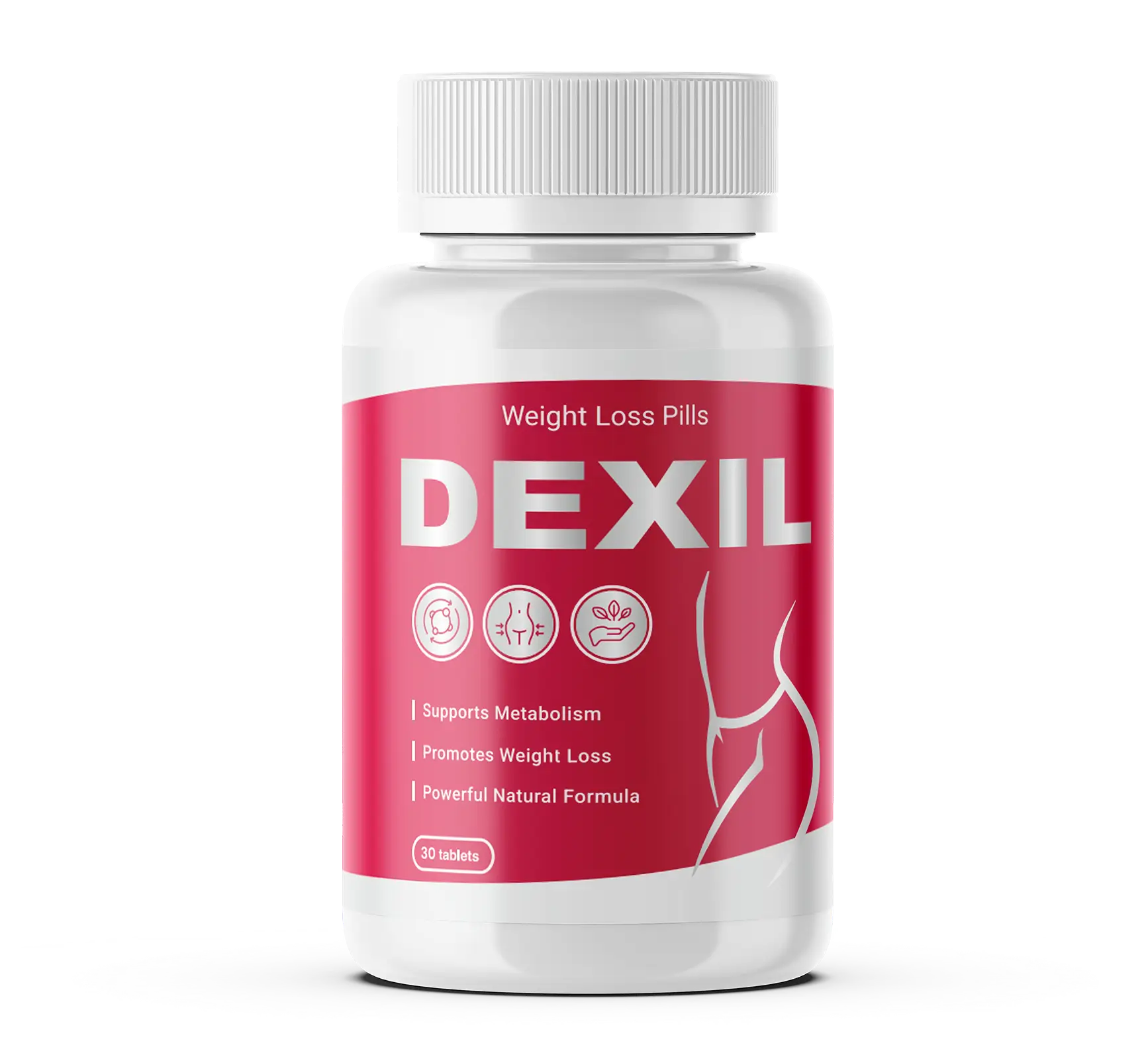
$10
/lead
Parasites
Ivory Coast
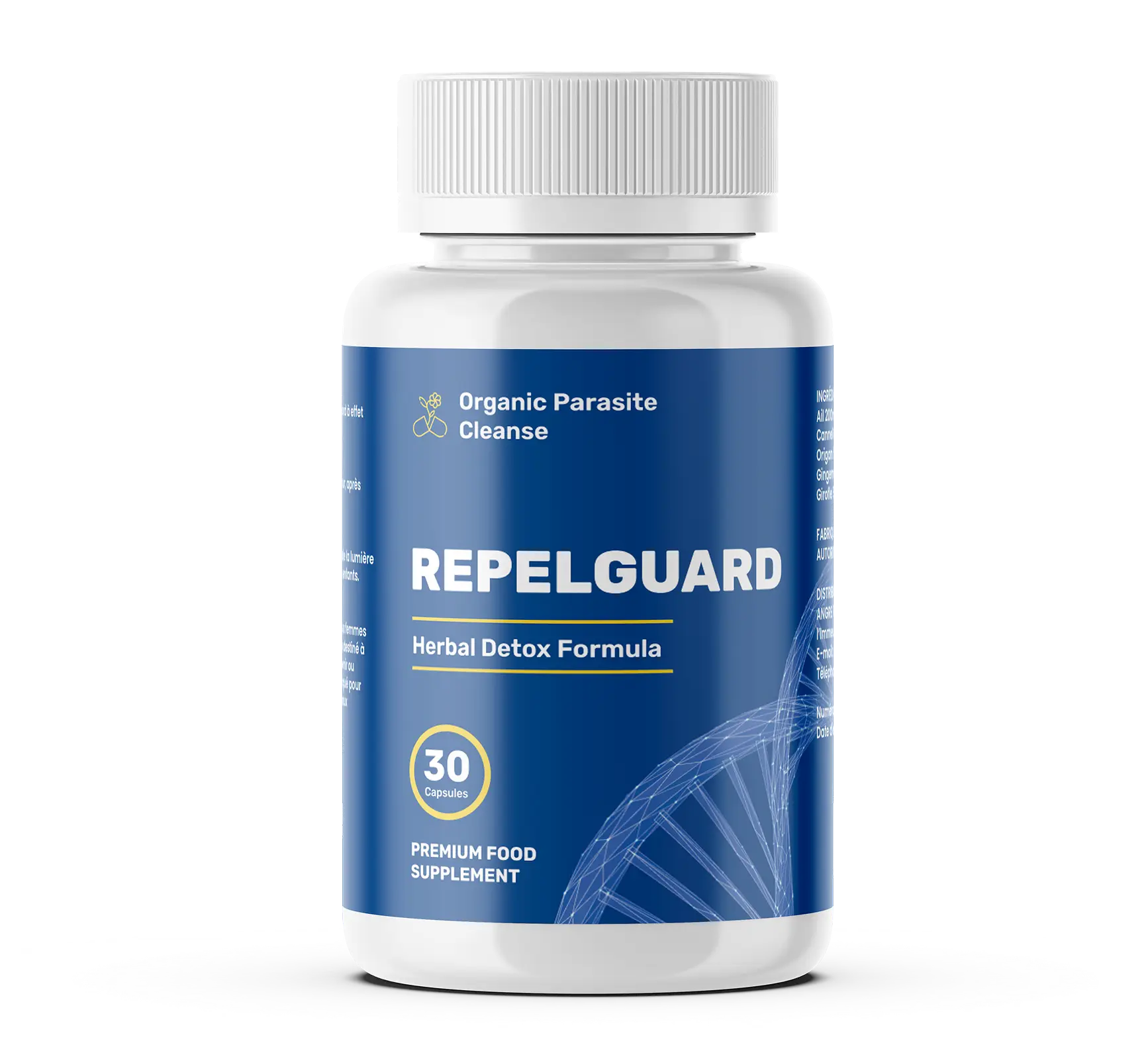
$18
/lead
Diabetes
Ivory Coast
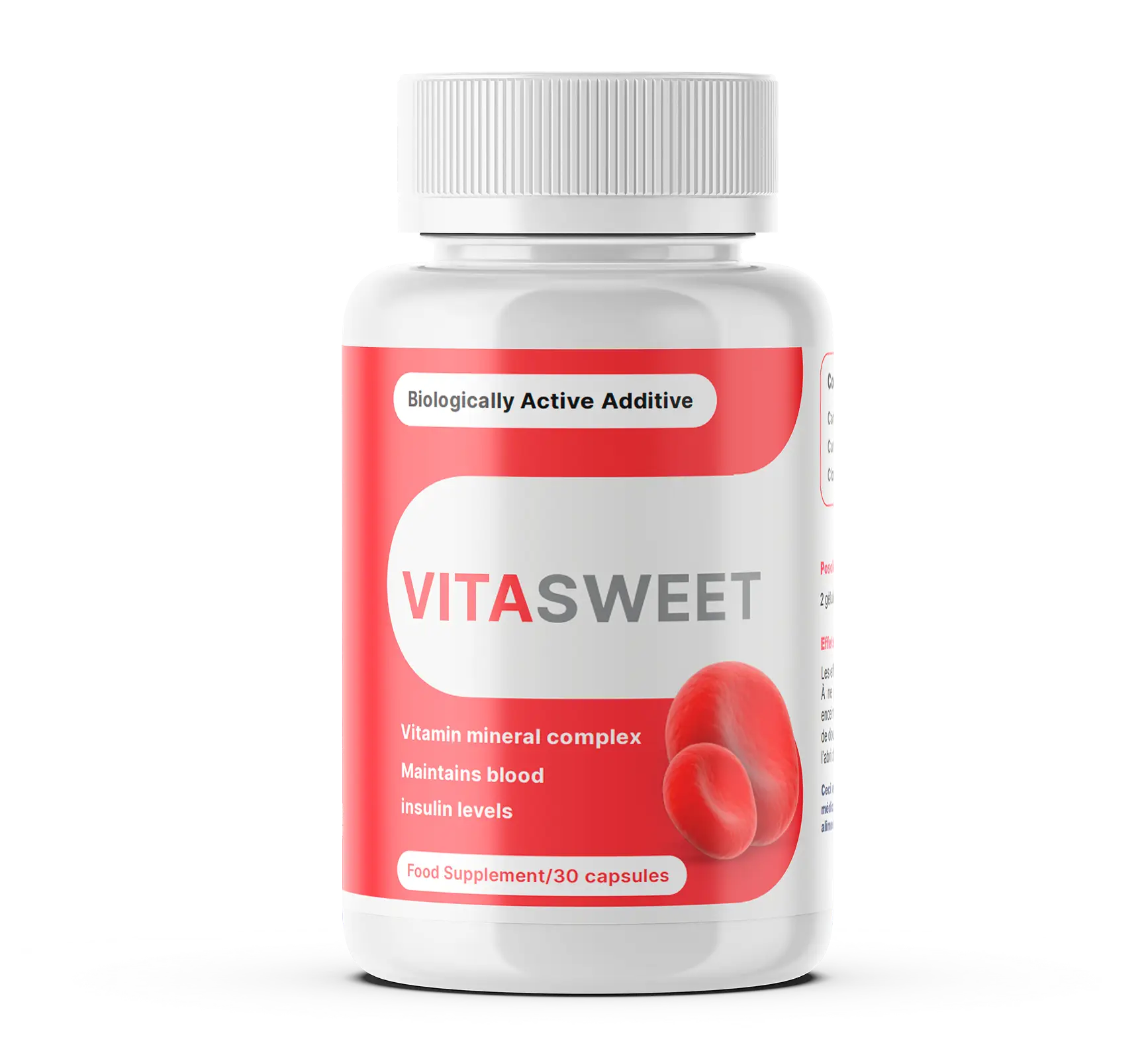
$21
/lead
Prostatitis
Pakistan
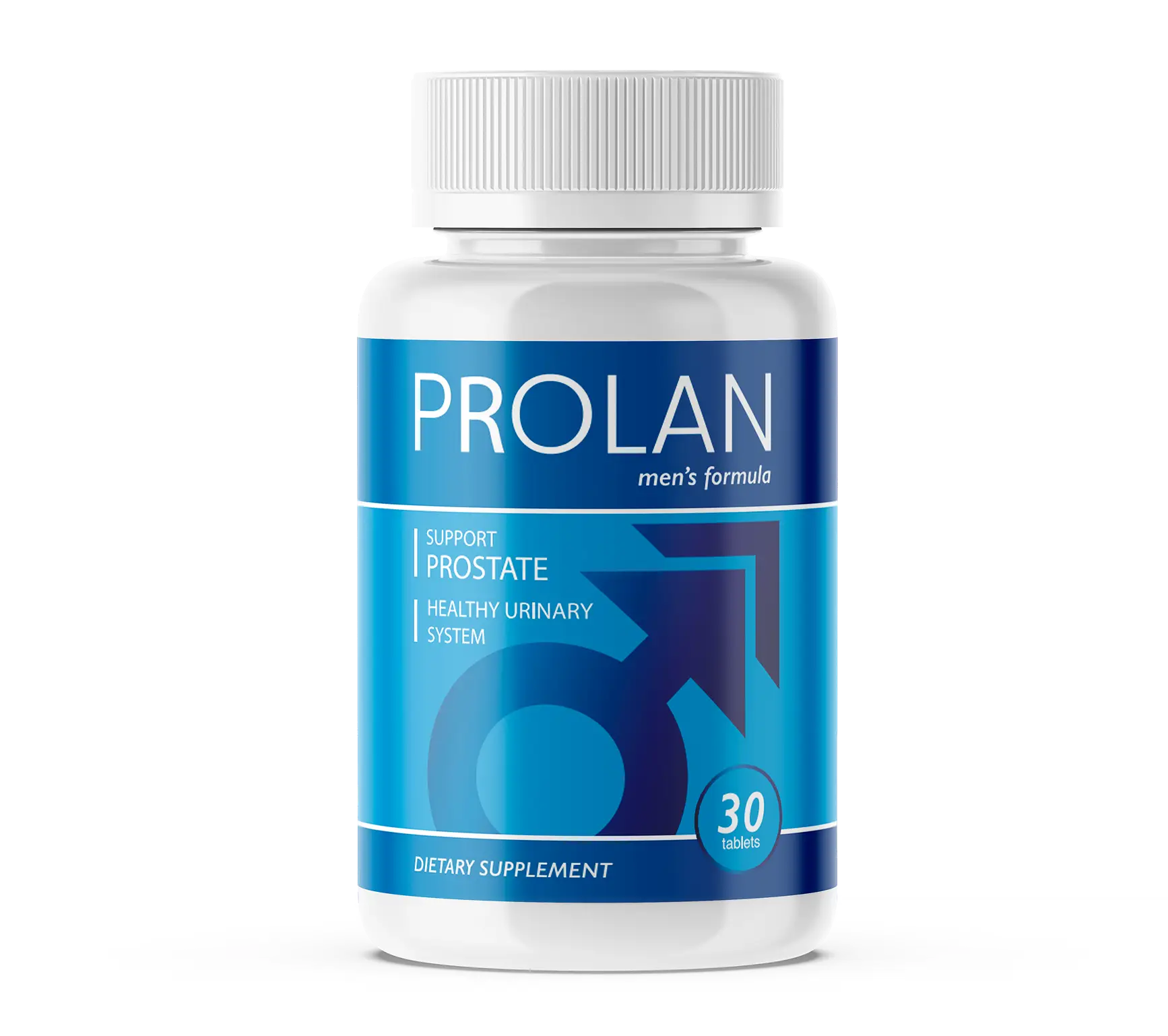
$11
/lead
Bust
Ivory Coast
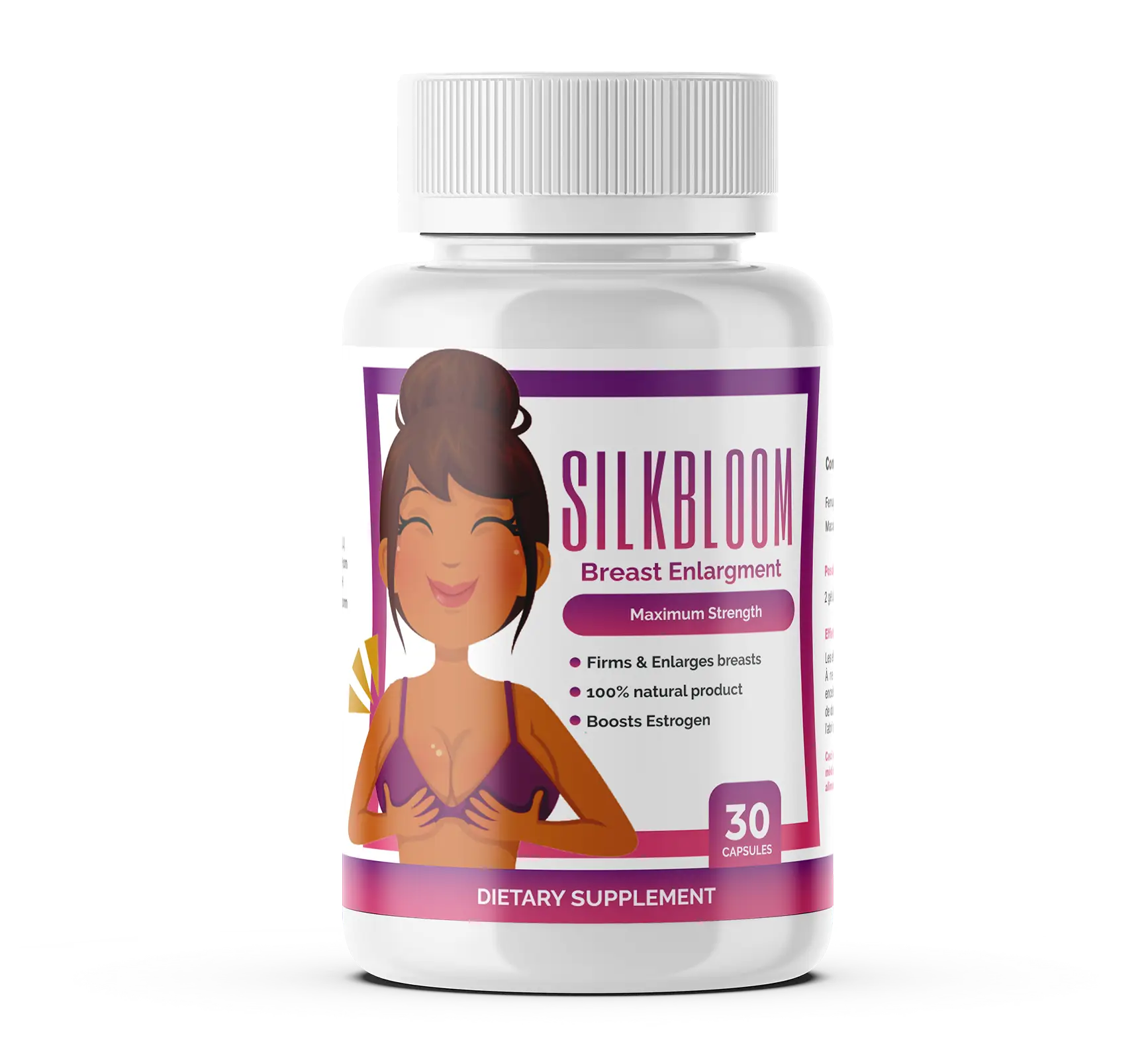
$19
/lead