We use cookies to personalize content and analyze traffic. We share information about your usage with our partners, who may combine it with other data.
Read more
INB Team
August 1, 2026


A case study by an INB affiliate on running the Prolan prostatitis offer in Pakistan using fully white creatives on a single Facebook account that’s still alive.
Offer: Prolan (prostatitis health supplement)
Network: INB.bio
GEO: Pakistan (Tier 3)
Traffic source: Facebook
Payout: $12 at launch, bumped to $13 mid-test
Daily cap: 50 leads
Period: May 21–31, 2026
Pakistan is one of those GEOs that gets written off by affiliates who’ve only seen what the black-hat buyers are doing there. The dominant assumption is: Tier 3 nutra market, aggressive claims are the only way to convert, anything white will die on landing.
This case was built to test the opposite. Run a prostatitis offer with clean positioning, no celebrity images, no medical institution logos, no fake news formats. Keep everything inside Facebook’s actual policy. See if the economics still work.
Pakistan has one of the fastest-growing mobile internet user bases in Asia. Facebook penetration is high, CPMs are low, and the male demographic over 40 has real health concerns and low access to specialist care. The combination of affordable traffic and genuine product demand is what makes the market work for nutra COD.
The other factor is competition. Most affiliates running aggressive creatives in this GEO cycle through accounts constantly. White buyers who stay alive for weeks rather than days end up with a structural cost advantage: no account replacement costs, no escalating warm-up cycles, stable performance data.
For more context on what Pakistan looks like as an affiliate market, the INB Pakistan geo page has current offer availability and approval rate data.
One Facebook ad account. One Business Manager. No bans, no restrictions, no fanpage flags across the entire test period. Spend crossed $1,000 on the account before the period covered by this case study, which provided baseline trust signals for the platform.
Agency accounts were used, which removed billing risk entirely. No chargebacks, no processor holds.
Tracker: Keitaro. Postback discrepancy across 500+ leads: under 1%. Data was reliable enough to make decisions from same-day numbers.
One detail worth noting on attribution: instead of passing sub-IDs through the tracker, a separate offer entry was created in the network for each creative. This gave per-creative approval rate data directly in the network interface, without relying on sub-ID mapping in Keitaro. It’s a slightly manual approach but it worked cleanly.
Over 15 creative variants were tested across formats. The winner was the simplest thing tested: a static image with large text printed directly on it, no complex design elements. The copy on the creative:
“Even at 80, the prostate can recover! In just one night you’ll stop getting up to use the bathroom. Take this affordable remedy before bed. Click here to learn about this simple remedy. Get it now!”
Ad copy above the creative: Tired of waking up at night? Feeling weak and embarrassed to see a doctor? Natural preventative for prostatitis, now available online. No harsh chemicals, no awkward urology visits. Affordable price, 50% discount at the link. Order now and sleep through the night.
Headline: “Prostate protected, even at 80.”
The landing page used a standard nutra format with one deliberate change: all claims about complete healing were replaced with preventative framing. The expectation was that this would hurt conversion rate. It didn’t. CR held at 0.7%, which is a working number for this market.
The probable reason: men in this demographic who are researching prostate problems aren’t necessarily looking for a cure claim. They’re looking for something credible enough to try. A prevention-focused lander passed that credibility test while also passing platform review.
CTR on the top creatives stayed above 8% throughout the test with no fatigue signs. White creatives on Facebook in Tier 3 markets fatigue more slowly than aggressive formats because frequency accumulation doesn’t carry the same negative signal load.
Starting budget: $45–75 per day across 3–5 campaigns at $15 each. The two campaigns that consistently produced good CPA and approval rate got 20% daily budget increases. The rest were cut.
By the end of the test period the portfolio had narrowed to 2 active campaigns. Total spend on the test: $200. CPM and CPC on the surviving campaigns didn’t rise as the rest were cut. They held flat or came down slightly, which is the typical pattern when you’re removing underperforming ad sets rather than scaling into them.
Individual ad rejections happened. These were relaunched after modification and passed moderation on retry. No campaign-level or account-level action was taken.
| Metric | Result |
| Total spend | $200 |
| Payout per confirmed lead | $12–$13 |
| Cost per lead (CPL) | ~$2 |
| Approval rate (AR) | 18%+ |
| Conversion rate (click to lead) | 0.7% |
| EPC | $0.038 |
| Total revenue | ~$250 |
| ROI | 26% |
| Leads sent | 500+ |
| Tracker vs network discrepancy | under 1% |
Payouts came in twice a week (Tuesday and Friday). No float issues. All earned commissions were paid by the end of the test period.
The most useful comparison from this test wasn’t about ROI, it was about where the funnel breaks.
Black creative approaches on this GEO produce cheaper leads. The CPL drops. But approval rate falls around 13 percentage points compared to white approaches on the same offer. That means you’re paying less per lead but getting paid on far fewer of them.
The math on this GEO, at these payout levels, favors white:
| Approach | CPL | Approval rate | Revenue per 100 leads | Net per 100 leads |
| Black | ~$1.20 | ~5% | ~$60 | ~$60 minus $120 spend = -$60 |
| White | ~$2.00 | ~18% | ~$216 | ~$216 minus $200 spend = +$16 |
These are approximate figures based on the test observations, but the direction is consistent: when payout is in the $12–$13 range, approval rate is the number that determines whether the campaign makes money. A 13-point swing in approval rate outweighs almost any CPL advantage.
For a deeper look at how approval rate works and what it actually means for your effective earnings, see nutra offer types explained.
The biggest single drop in this funnel is at the lead-to-sale stage. Click-to-lead conversion at 0.7% is workable but has room to improve, and landing page optimization is the clearest path there. The preventative framing was a deliberate trade-off: it protected approval rate at the cost of some conversion rate. Testing new lander variants while keeping the same positioning is the next logical step.
The test ended at $200 spend and 26% ROI. That ROI figure was held back by the payout bump arriving mid-test: the first batch of leads was approved at $12 before the bump to $13. On consistent $13 payouts the same volume would have produced closer to 35% ROI.
The more significant opportunity is on the payout side. INB confirmed approval rates above the initial benchmark. That gives room to negotiate a higher rate, which at the current CPL and approval rate would push ROI above 50% without changing anything else in the campaign.
Budget scaling at 20% daily on winning campaigns is a conservative approach that keeps Facebook’s algorithm stable. The two surviving campaigns are positioned to absorb higher daily budgets without the performance regression that comes from aggressive budget jumps.
The main risk is concentration: one offer, one source, one account. That’s accurate. The mitigation is infrastructure readiness: a backup Facebook profile, additional ad accounts and fanpages, creatives ready to relaunch, postbacks configured. Recovery time if the primary setup dies is measured in hours, not days.
Prolan is one of INB’s Pakistan offers. It runs alongside other nutra offers across INB’s GEO network, including joint health and diabetes verticals in Ivory Coast, Morocco, and Algeria.
The principle this case demonstrates applies across all of them: in COD nutra, approval rate is the number that determines profitability, and approval rate is largely determined by creative strategy and audience quality, not by traffic volume. White creatives attract buyers who actually want the product. Those buyers answer the phone when the call center calls. Those leads get approved.
The 18%+ approval rate in this test is above INB’s stated baseline for the Pakistan market (20% listed, with room to exceed it on clean traffic). That spread is where the money lives.
We operate across 15+ countries with low competition and exceptional profit potential. Our focus covers high-growth regions for scalable traffic and conversions.


3+ offers

22% app.

2+ offers
23% app.

15+ offers
24% app.

9+ offers
24% app.

8+ offers
23% app.

2+ offers
21% app.

1+ offers
16% app.

3+ offers
20% app.
Our product line is built for results: every offer is tested, localized, and ready to scale.

Joints

Ivory Coast
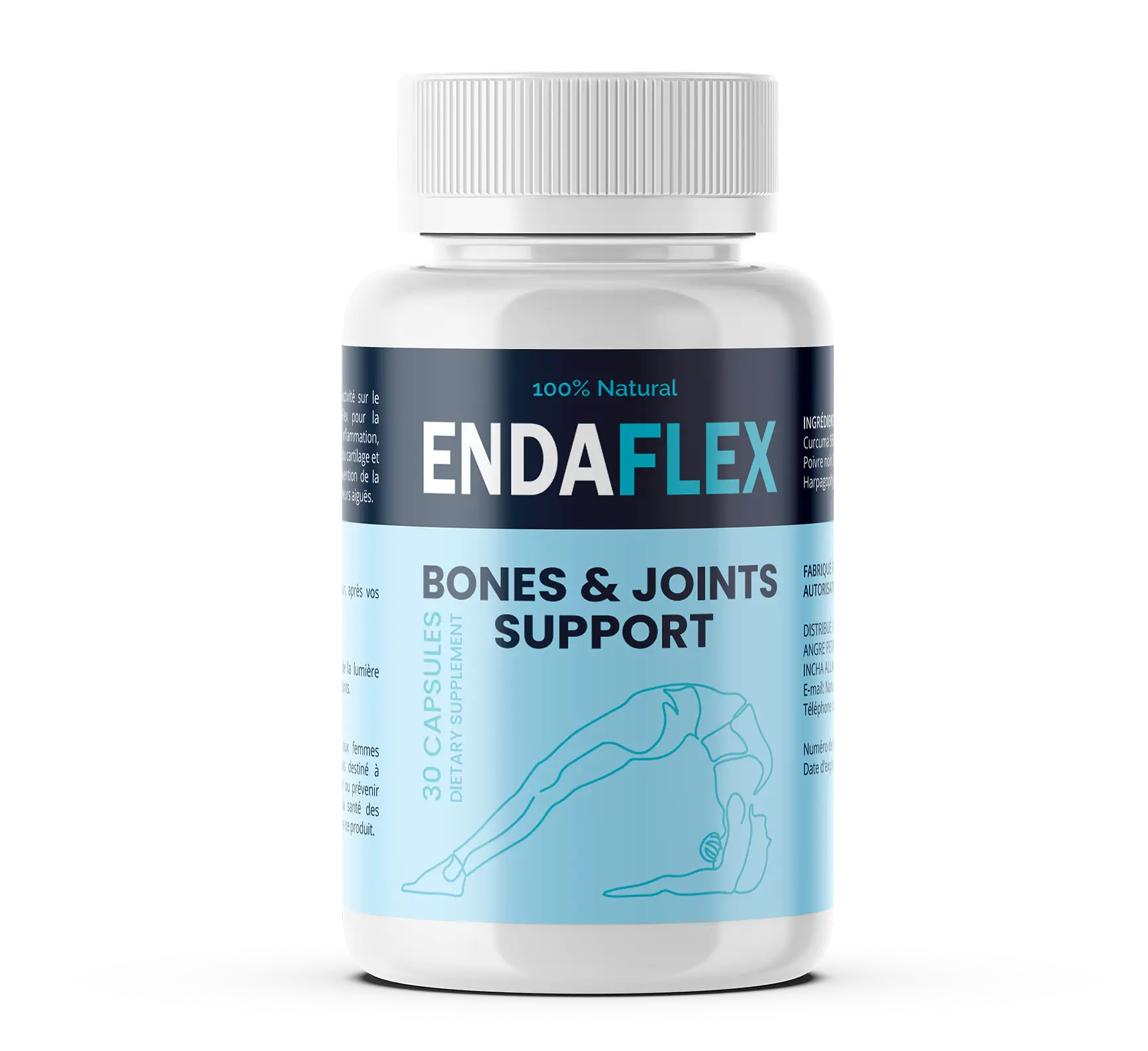
$21
/lead
Diabetes
Ivory Coast
$21
/lead
Prostatitis
Ivory Coast
$19
/lead
Varicose
Morocco
$21
/lead
Prostatits
Tunisia
$17
/lead
Hair
Morocco
$18
/lead
Weight loss
Morocco
$18
/lead
Bust
Ivory Coast
$19
/lead
Joints
Morocco
$18
/lead
Cardiology
Ivory Coast
$21
/lead
Diabetes
Morocco
$21
/lead