We use cookies to personalize content and analyze traffic. We share information about your usage with our partners, who may combine it with other data.
Read more

INB Team
August 14, 2026


Media buying and affiliate marketing are often compared because both revolve around advertising, creatives, and data. From the outside, they may look like almost the same job. But once you take a closer look, the difference becomes clear.
In this article, we will explain where the line between these two areas lies, which skills are required in both, and which path may be better to choose at the beginning.

To understand media buying vs affiliate marketing, we first need to look at each concept separately. Let’s start with what is media buying and how it works in practice.
Media buying is the process of working with paid advertising. A media buyer decides where ads should appear, who should see them, how much should be spent, and which campaigns are worth scaling.
Many people assume that a media buyer’s job is simply to click the “Launch” button, but that is far from the truth. Before launching, they need to check campaign funnels, compare creatives, adjust bids, look for cheaper traffic, and stop anything that is only wasting the budget.
For example, a company allocates $5,000 to promote a product. The media buyer’s task is to generate as many leads or sales as possible at an acceptable cost. If one creative does not perform, it is replaced. If a particular audience produces expensive leads, the budget is moved to another one. If a campaign performs well, spending is gradually increased.
In most cases, a media buyer works:
Their income usually does not depend directly on each individual lead. They may receive a salary, a campaign management fee, or a percentage of the advertising budget.
In other words, a media buyer is responsible for the result but usually does not risk their own money. If a launch fails, the company loses part of its budget, while the specialist has to explain the numbers, identify the mistake, and change the approach.
Affiliate marketing works differently. An unsuccessful campaign affects not only your statistics but also your own wallet.
🌿 To learn how to become a media buyer, read our article.
In affiliate marketing, you do more than set up advertising for someone else’s business. You choose the offer yourself, invest your own money in traffic, and receive a payout for a specific result, such as an approved lead, an order, or a sale.
There is no guaranteed salary simply because a campaign has been launched. If you spend $300 on advertising but do not generate enough approved leads, you are responsible for the loss. If the campaign funnel works, the difference between your traffic costs and the payouts you receive becomes your profit.
This is how the INB.bio CPA model works: an affiliate receives a fixed payout for every approved lead. For example, you launch advertising for a nutra offer and generate leads. The call centre contacts the customers, and you receive a payout for the orders that are confirmed.
The affiliate decides:
You can work with Facebook, push traffic, native advertising, or other sources, provided they are allowed under the offer’s terms. You have more freedom than an employed media buyer, but you also take responsibility for every dollar spent.
An affiliate does not control the product itself, its price, the call centre’s work, or logistics. Their responsibility is to generate high-quality traffic and do so at the lowest possible cost.
For example, the payout for an approved lead is $22. You receive 20 approvals and earn $440. If the advertising costs $300, your profit is $140. If your expenses reach $500, the campaign ends with a $60 loss.
In affiliate marketing, the cost per lead, approval rate, payout, and advertising expenses all matter. Each of these figures means little on its own. Together, they show whether the campaign is actually making money.
Imagine two people advertising the same product. The first works as a media buyer for a company. They receive a budget, a ready-made offer, and a target for the number of leads. The second is an affiliate. They choose the offer themselves, fund the ad account with their own money, and launch the traffic.
From that point on, their work looks almost identical. Both:
That is why media buying for affiliate marketing is not a completely separate area that needs to be learned from scratch. It uses the same paid traffic skills, but within a different income model.
The launch process itself is not what changes. The conditions do. A media buyer works with the company’s budget, while an affiliate works with their own. The first is paid for managing campaigns, while the second earns from the difference between advertising expenses and performance-based payouts.
At INB.bio, this model is straightforward: we provide a ready-to-promote CPA offer, a fixed payout for each approved lead, and a choice of GEOs and traffic sources. The affiliate manages the advertising by testing creatives, tracking expenses, and finding a profitable campaign funnel.


In the previous sections, we saw that a media buyer and an affiliate can perform almost the same work. They launch ads, test creatives, analyse data, and scale strong campaigns.
However, they work under different rules:
| Criterion | Media buying | Affiliate marketing |
| Advertising budget | Provided by the company or client | The affiliate invests their own money |
| Income model | Salary, fixed fee, or bonus | Payout for an approved result |
| Financial risk | Mostly carried by the budget owner | Fully carried by the affiliate |
| Product selection | Depends on the company or client | The affiliate chooses the offer |
| Control over the product | May have direct contact with the product team | Usually cannot change the product or its terms |
| Choice of GEO and traffic source | Limited by the assigned task | Depends on the terms of the available offers |
| Income stability | Higher | Depends on campaign performance |
| Earning potential | Usually limited by salary or bonuses | Grows with the volume of profitable traffic |
For an affiliate, it is especially important to understand that good results in an advertising account do not automatically mean profit.
For example, a campaign may generate inexpensive leads, but if customers rarely confirm their orders, the payouts will not be enough. Another campaign may have a higher cost per lead but generate more approved orders and ultimately earn more.
That is why an affiliate evaluates the entire funnel rather than the ad alone: offer → creative → audience → landing page → lead → approval → payout
This is the main difference when comparing media buying vs affiliate marketing. A media buyer is responsible for using the allocated budget efficiently, while an affiliate must ensure that the final revenue is higher than all launch expenses.
🌿 Read also: “CPA payouts: what they mean and how much you can really earn”
Media buyers and affiliates work under different conditions, but effective advertising in both areas relies on the same core skills:

There are also skills that depend on the working model. A media buyer employed by a company needs to explain results, agree on budgets, and work with a team. An affiliate needs to evaluate offers, payouts, traffic-source rules, and potential profit independently.
That is why media buying for affiliate marketing provides a strong foundation, but knowing how to launch ads is not enough on its own. An affiliate also needs to understand the CPA model, lead quality, and how a lead turns into an approved order.
You should not begin by asking, “Where can I earn more?” Instead, start with an honest assessment of your experience, budget, and willingness to take risks.
Media buying is suitable for those who first want to understand advertising through practice. Working in a team gives you access to real campaigns, established processes, and support from colleagues. You learn how to test creatives, read statistics, and manage a budget without investing your own money in every launch.
Affiliate marketing is better considered once you already understand how paid traffic works. Here, you will need to choose an offer independently, plan the test, calculate the potential profit, and decide when a campaign should be stopped.
A simple guideline can help:
The main rule is not to invest money in your first campaigns that you are not prepared to lose. At the beginning, your goal is not to find the perfect campaign funnel immediately. It is to understand how the offer, creative, GEO, and traffic source affect the result.
At INB.bio, you can apply these skills in practice: choose a GEO, gain access to nutra offers, and launch traffic through Facebook, push, or native advertising. We handle the product, call centre, order approval, and logistics, while you focus on advertising and finding profitable campaign funnels.
Apply your media buying skills to real CPA offers – join INB.bio for free.

Yes. A media buyer already knows how to work with ad accounts, creatives, bids, and budgets. In affiliate marketing, they use the same skills but promote offers with their own money and receive payouts for approved leads or sales.
Yes, especially when working with paid traffic. You need to know how to test creatives, control the cost per lead, allocate the budget, and quickly stop unprofitable campaigns. Without these skills, a launch turns into spending money without understanding what exactly is not working.
Income in media buying is usually more predictable because the specialist receives a salary or a fixed percentage. In affiliate marketing, there is practically no income ceiling, but there are no guarantees either. Profit depends on the budget, traffic quality, offer, and ability to scale campaigns.
Both areas require analytical thinking, creative testing, working with statistics, budget control, and an understanding of the audience. It is also important to know how to track where results come from, respond quickly to changes, and stop holding on to a campaign that consistently loses money.
We operate across 15+ countries with low competition and exceptional profit potential. Our focus covers high-growth regions for scalable traffic and conversions.


3+ offers

22% app.

2+ offers
23% app.

15+ offers
24% app.

9+ offers
24% app.

8+ offers
23% app.

2+ offers
21% app.

1+ offers
16% app.

3+ offers
20% app.
Our product line is built for results: every offer is tested, localized, and ready to scale.

Diabetes

Morocco
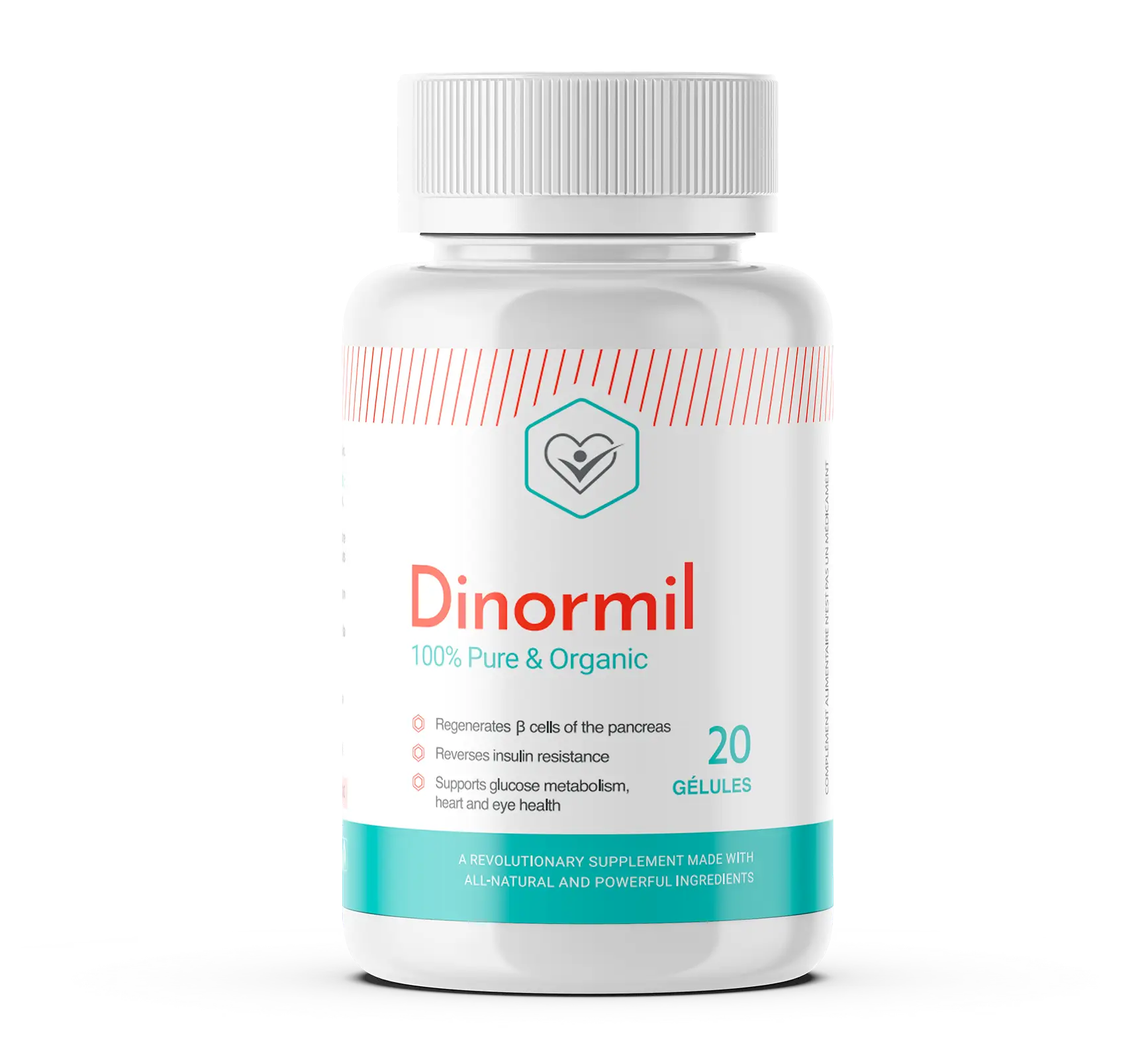
$21
/lead
Prostatitis
Kenya
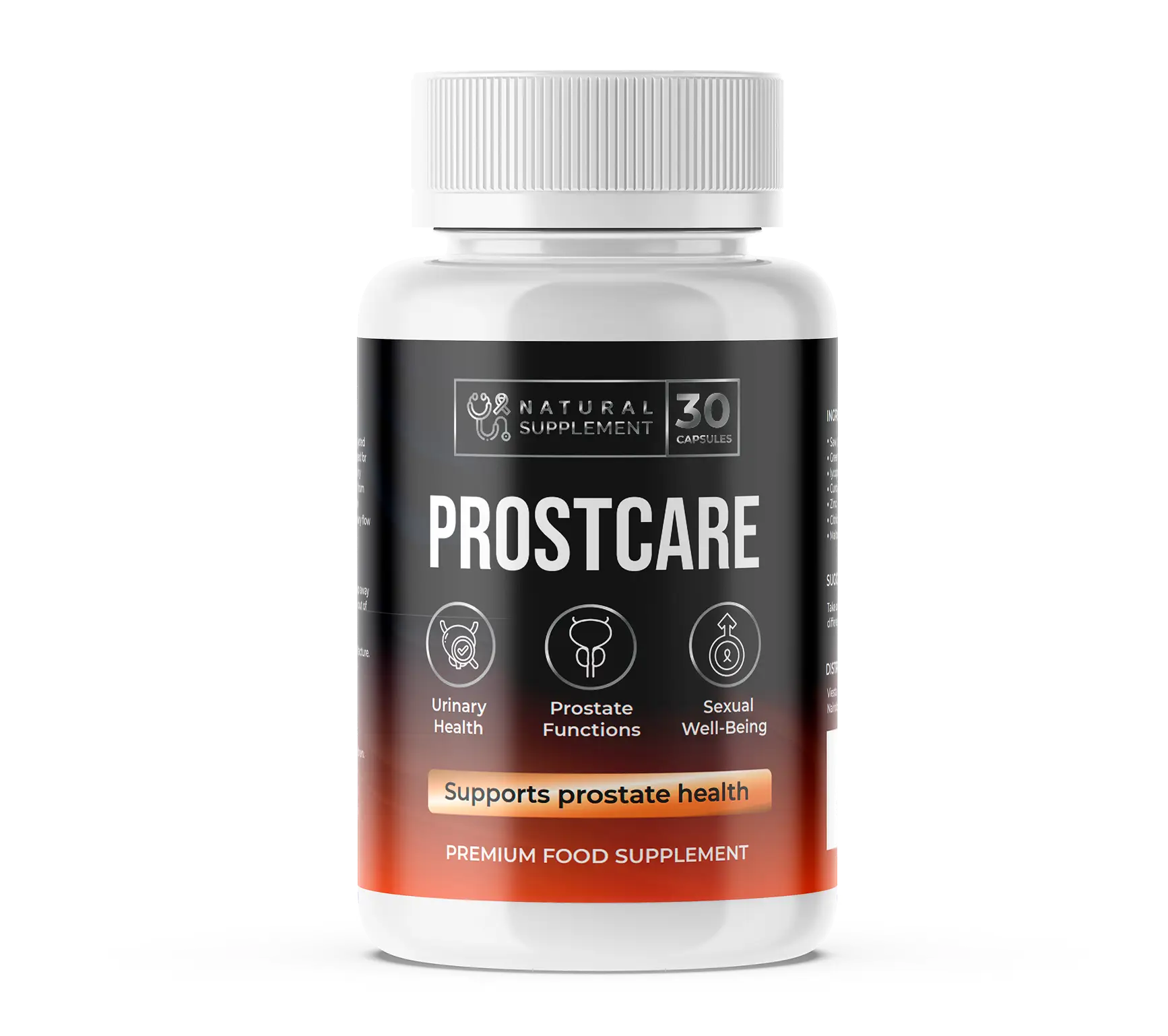
$16
/lead
Weight loss
Ivory Coast
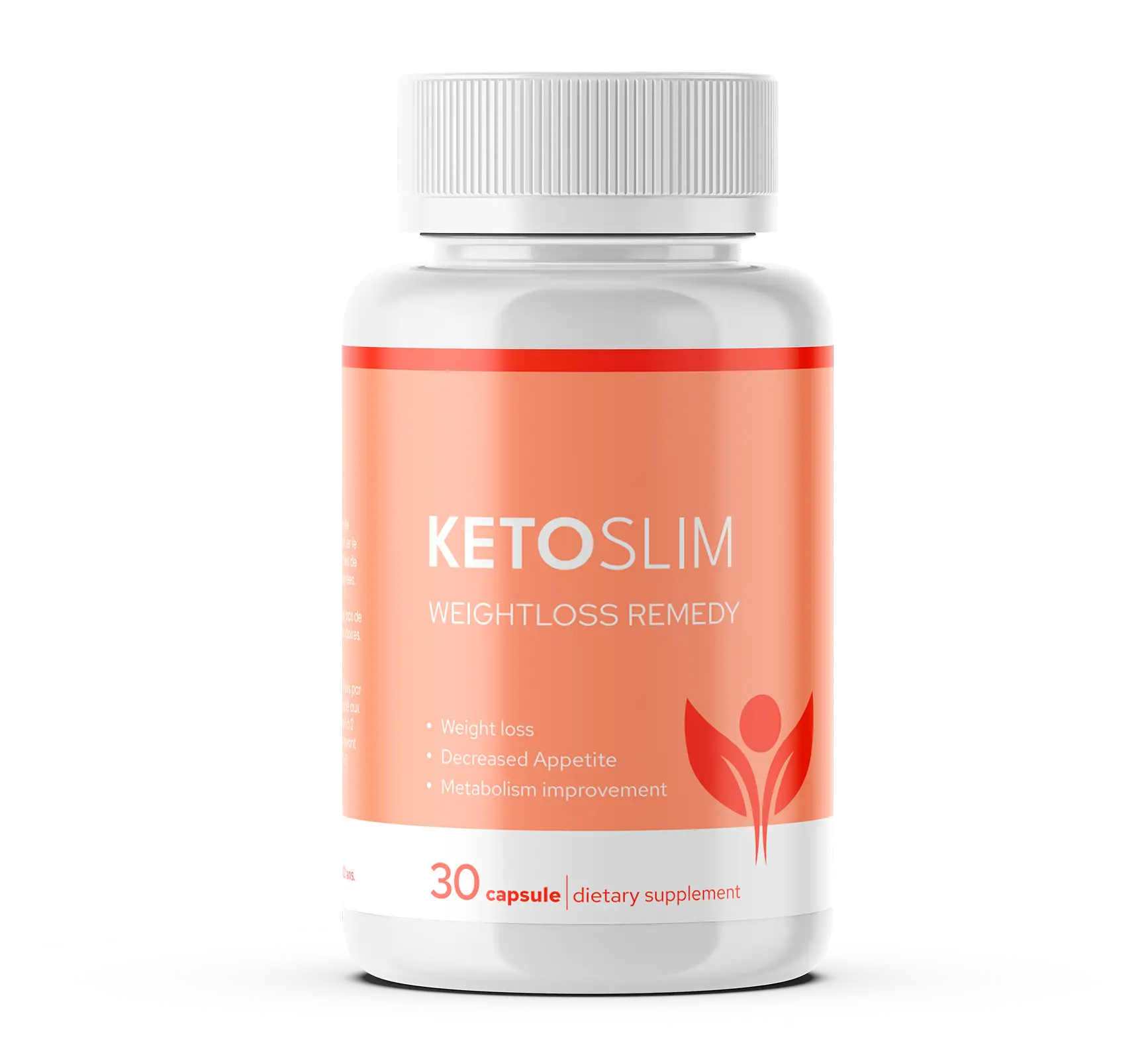
$21
/lead
Cardiology
Ivory Coast
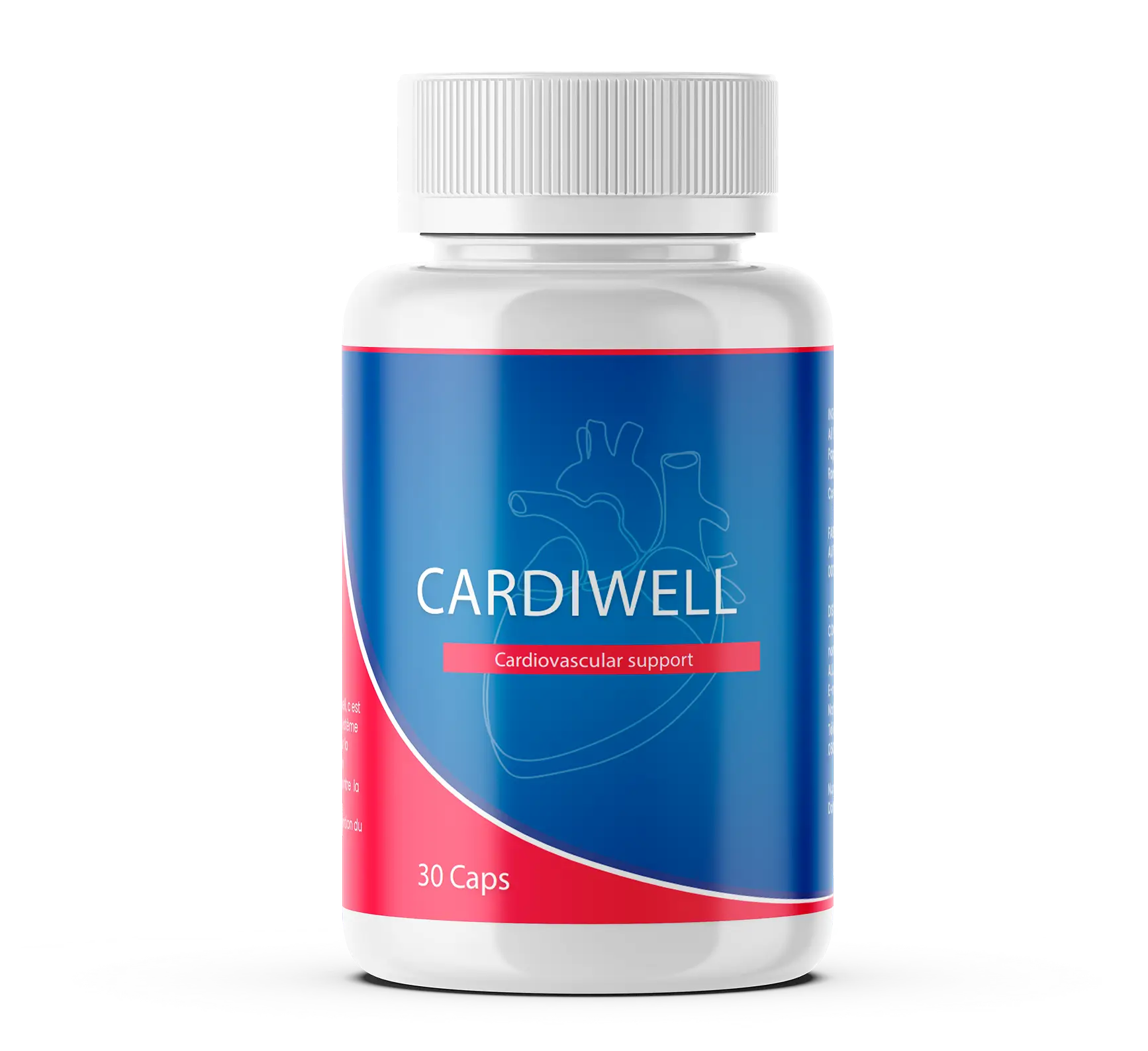
$18
/lead
Joints
Ivory Coast
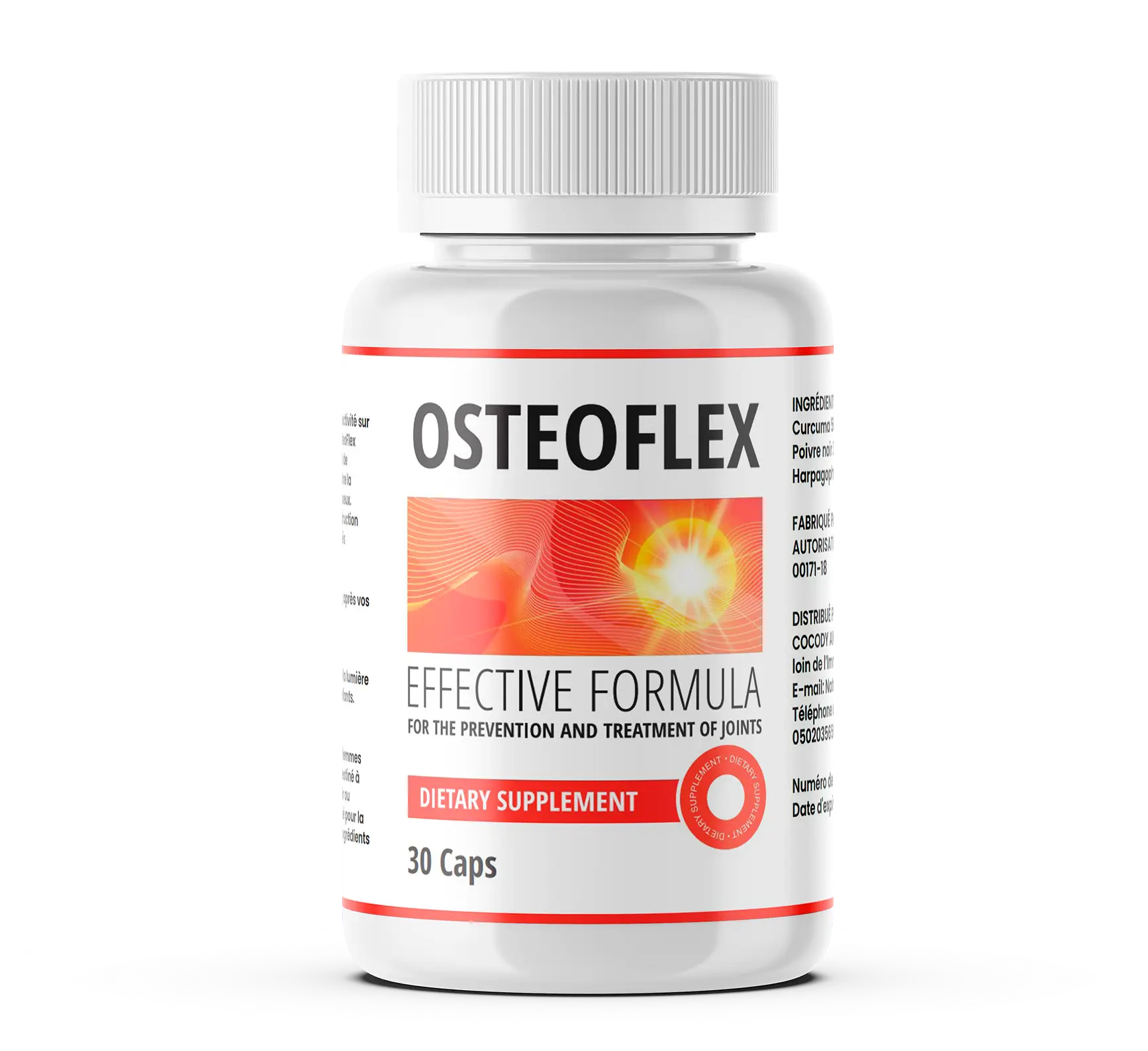
$23
/lead
Diabetes
Ivory Coast
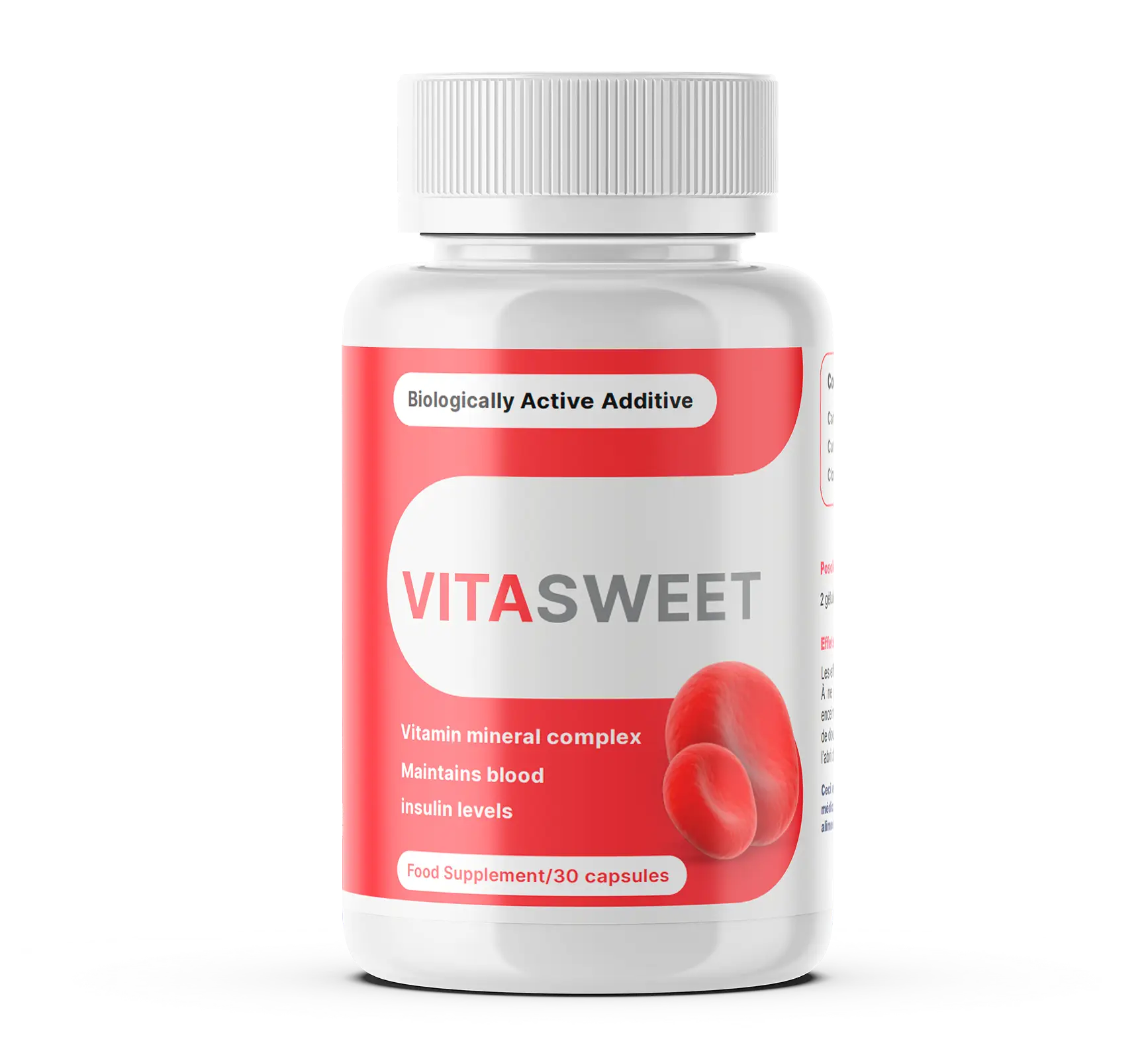
$21
/lead
Prostatitis
Pakistan
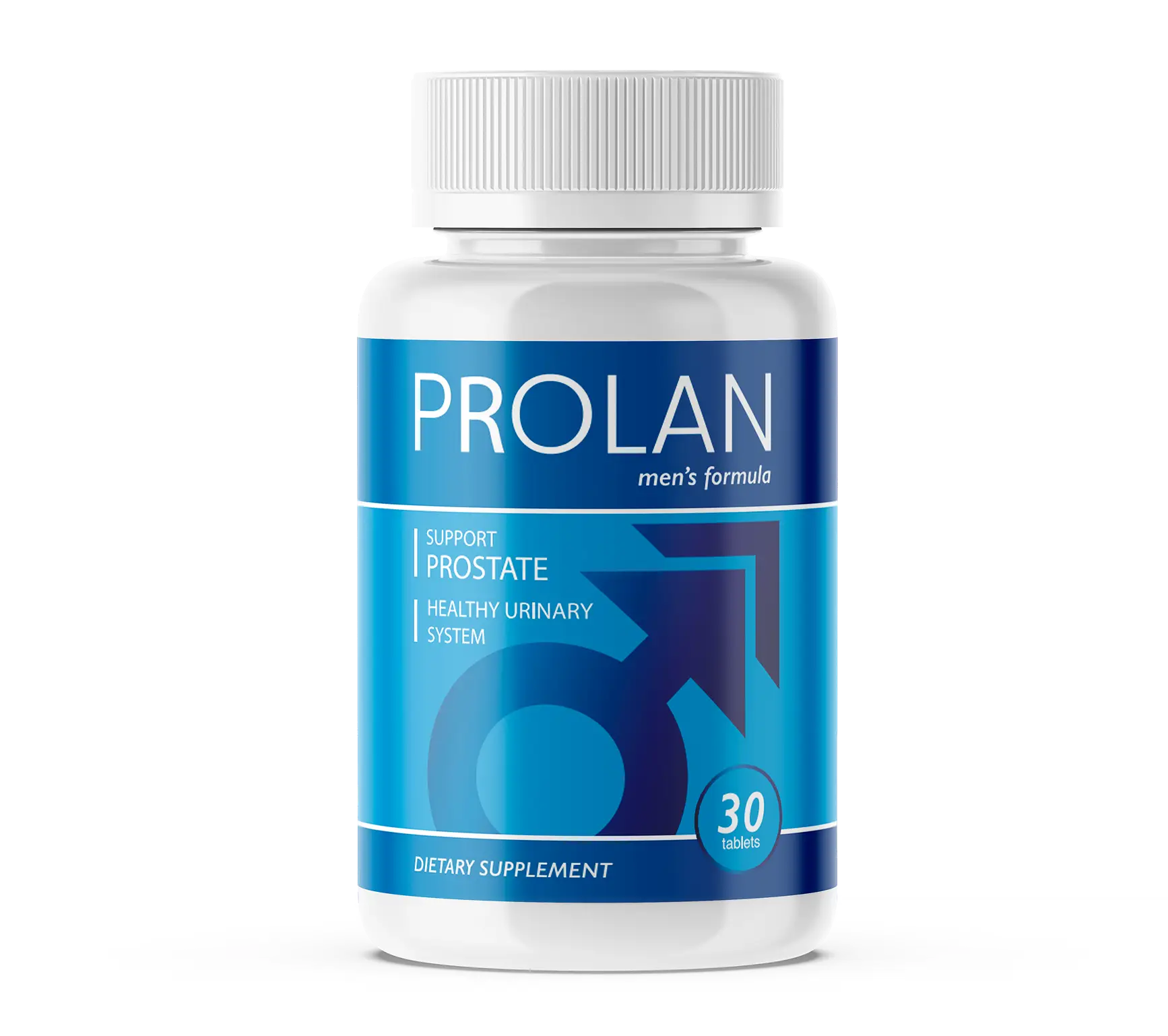
$11
/lead
Varicose
Morocco

$21
/lead
Joints
Morocco
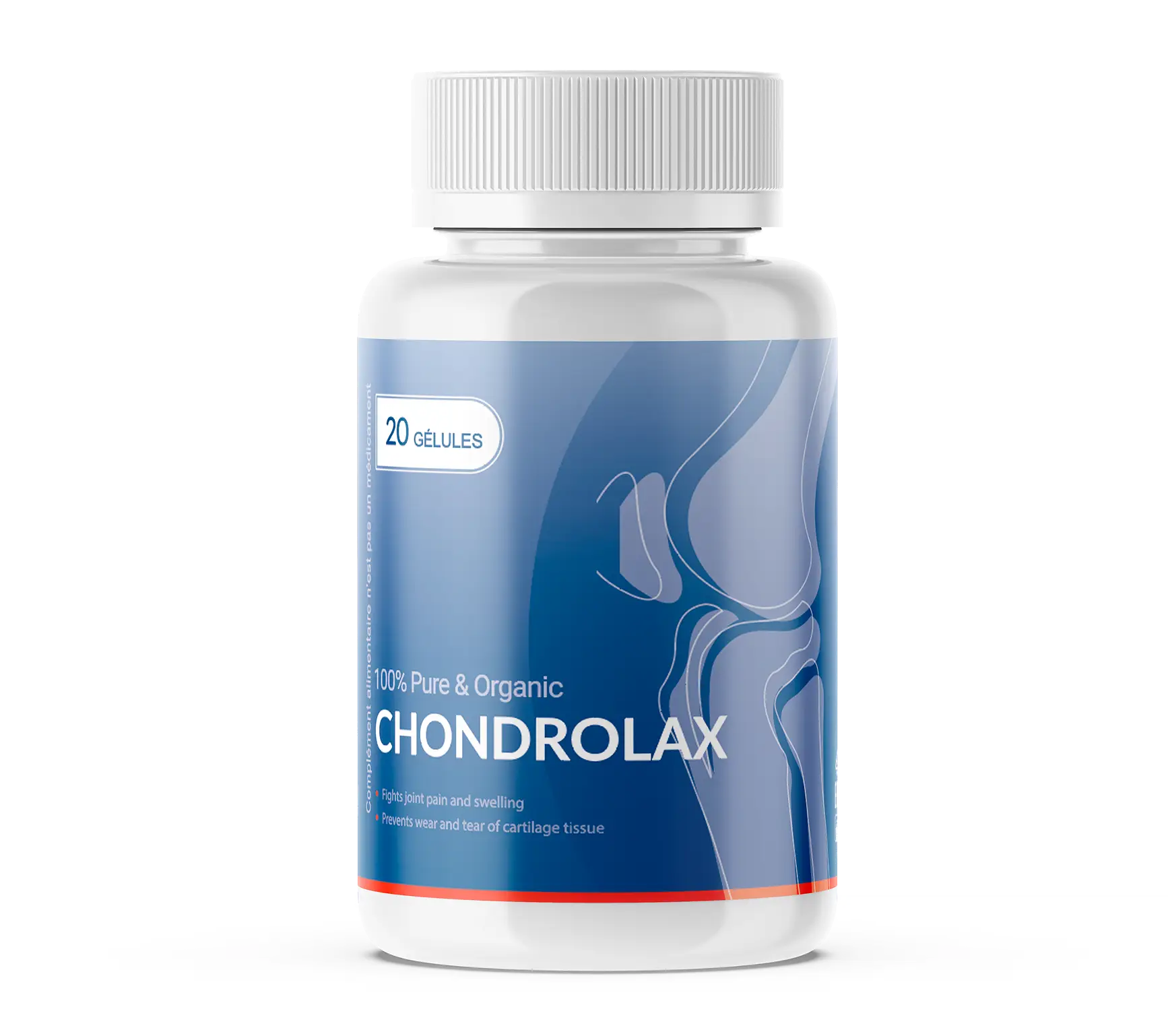
$18
/lead
Weight loss
Morocco
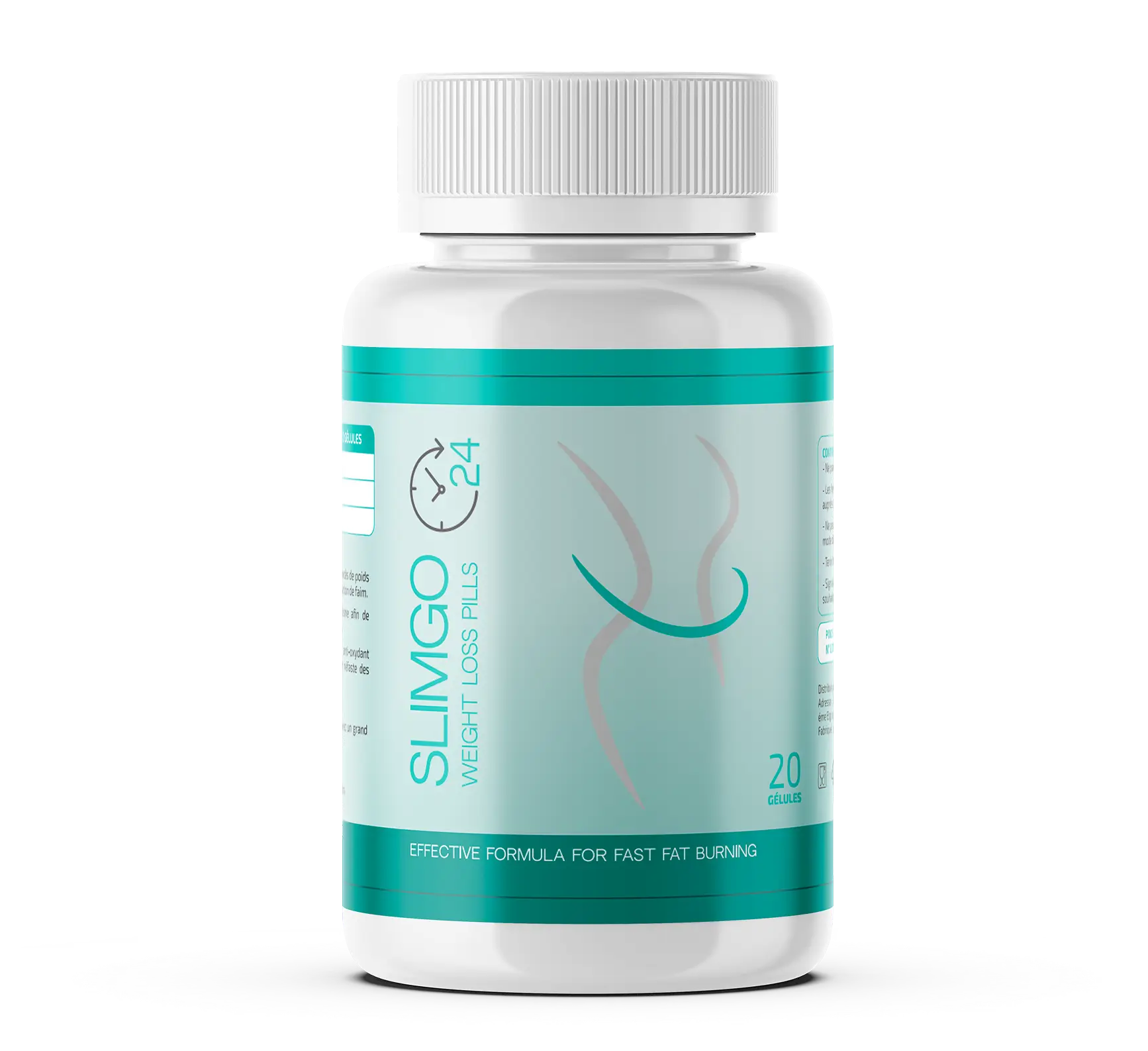
$18
/lead
Cardiology
Ivory Coast
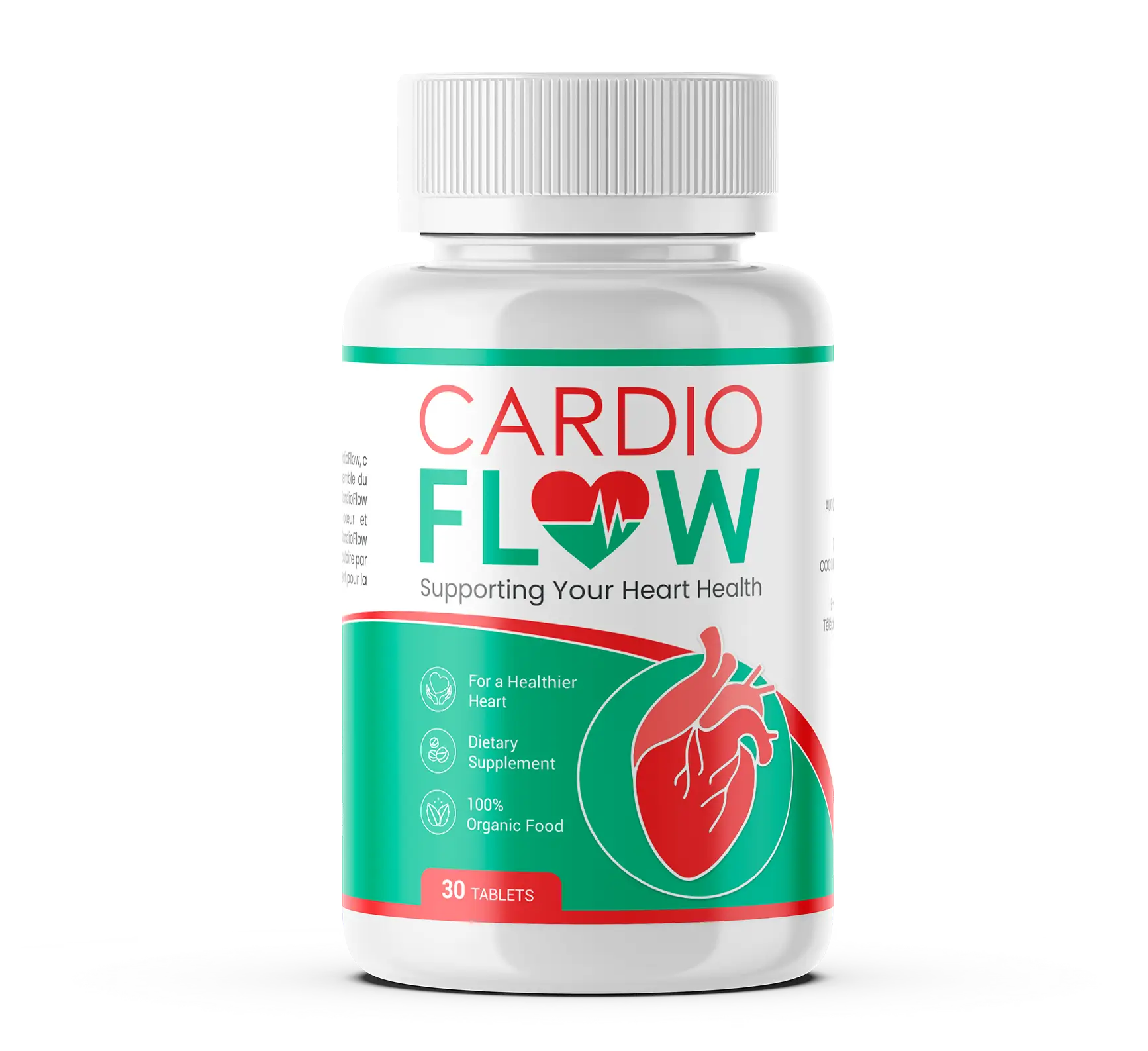
$21
/lead