We use cookies to personalize content and analyze traffic. We share information about your usage with our partners, who may combine it with other data.
Read more

INB Team
August 4, 2026


Today, media buying is one of the most popular career paths in affiliate marketing. However, when you search for information on how to become a media buyer, most resources focus exclusively on working for an advertising agency. In reality, there is another path: performance marketing, where you launch your own advertising campaigns and earn based on how well they perform.
In this article, the INB.bio team will explain the difference between these two career paths, which media buyer skills truly matter, how to launch your first advertising campaign, which mistakes to avoid at the beginning, and what your income in this field actually depends on.
A media buyer does more than simply launch ads. Their main goal is to find a profitable campaign setup and determine how to scale it.
To do this, they choose an offer and GEO, test creatives, monitor spending, and analyse results. After each launch, they need to decide whether to keep the campaign running, adjust specific elements, or stop it completely.
This is why media buyer skills go far beyond knowing how to use an advertising platform. You need to understand the numbers and quickly identify where a campaign is generating profit and where it is wasting money.
The main metrics a media buyer works with include:
For example, two campaigns may generate the same number of leads. However, if the call centre confirms more orders from one of them, that campaign will ultimately be more profitable.
Another essential part of the job is continuous testing. Creatives, audiences, offers, and GEOs all change over time. Weak campaigns are stopped, while successful ones are gradually scaled.
At INB.bio, we often see beginners lose money before they have even properly launched because they chose the wrong offer or GEO. That is why every new partner receives support from a manager who recommends what to test, helping ensure that the first launch does not turn into a random experiment.
The main difference between these two models is what you are responsible for and how you earn money.
At an agency, a media buyer works with a client’s budget, completes assigned tasks, and reports on the results. In performance marketing, you choose the offer, GEO, and launch strategy yourself. Your earnings depend on how profitable the campaign becomes.
Here is a comparison of the two options:
| Working at an agency | Performance marketing |
| Fixed salary | Income depends on results |
| Working with a client’s budget | Working with your own or a partner’s budget |
| Completing tasks assigned by a manager or client | Choosing offers, GEOs, and campaigns independently |
| The main goal is to meet the client’s KPIs | The main goal is to generate profit |
| Preparing reports for clients | Analysing your own results and scaling successful campaigns |
This does not mean that one path is better than the other. The right choice depends on your goals.
If you want stable employment with a fixed income, an agency may be a good option. However, if you prefer making your own decisions, testing different approaches, and gradually increasing your earnings, performance marketing offers considerably more opportunities.
You can enter performance marketing without previous agency experience. Many media buyers start with affiliate programmes and small tests, gradually learning through real campaigns.
After registering with INB.bio for free, you are assigned a manager who helps you choose a GEO, an offer, and a direction for your first launch. This allows you to avoid testing blindly and move into practical work more quickly.
To start a career in media buying, you do not need to immediately master every advertising platform, tracker, and analytics tool. At the beginning, it is enough to understand the basic logic of campaign launches and know how to work with data.
The most important media buyer skills to develop are:
Do not try to cover everything at once. One offer, one GEO, several creatives, and a clearly structured test will teach you more than ten chaotic launches.
A good media buyer does not guess which creative or offer will work. They develop a hypothesis, test it with a limited budget, and evaluate the result. If the campaign does not perform, they do not keep it running “a little longer” without a reason. Instead, they identify the problem and adjust their approach.
Most of the necessary skills are developed through practice. Theory can help you avoid serious mistakes, but real understanding comes when you see for yourself how changing a creative, audience, or budget affects campaign performance.

Theory can help you understand what is media buying, but real confidence only comes after your first launch. You do not need a large team, dozens of offers, or a complex analytics system to get started. It is far more important to complete the entire process with one small test and see how your decisions affect the outcome.
Start with an affiliate programme that offers clear terms, up-to-date statistics, and manager support. It can be difficult for a beginner to evaluate dozens of offers independently, so having direct contact with someone who understands the current situation across different GEOs makes the process much easier.
Registration with INB.bio is free, there are no minimum volume requirements, and a manager contacts each new partner within 24 hours. They ask about your experience and traffic source, then help you choose a suitable direction for your first test.
Do not choose a product based only on a high payout. The offer must match the country, target audience, and traffic source you plan to use.
For example, one product may convert well in Morocco but deliver weaker results in Kenya. Advertising costs, customer behaviour, and lead approval rates may also differ significantly between GEOs.
That is why an INB.bio manager recommends an offer and GEO combination based on current data and your experience rather than guesswork. For a beginner, this is much safer than spending money on random tests.

The purpose of your first launch is not to make a large profit immediately. Its main objective is to collect enough data to make an informed decision.
Your budget should be large enough to generate useful statistics but not so large that a failed hypothesis causes serious losses. The exact amount depends on the GEO, traffic source, and average cost per lead. It is best to discuss the budget with your manager before launching.
Do not spread a small budget across several offers. One offer, several creatives, and properly configured tracking will provide much clearer data.
Do not try to find one “perfect” banner. Prepare several variations based on different angles:
Change one main element at a time. If you simultaneously use different images, headlines, audiences, and landing pages, you will not be able to determine what actually influenced the result.
Before launching, make sure the affiliate link opens correctly, the landing page works, and all campaign parameters are being passed properly.
Add separate tracking parameters for traffic sources, ad groups, and creatives. Without them, you will only see the overall result and will not be able to identify which ad generated leads and which one simply wasted the budget.
A single technical error can make the entire test useless. Check the complete user journey yourself, from clicking the ad to submitting the order form.
Once the campaign is live, do not change the settings every hour. Give it enough time to collect meaningful data, then evaluate it using several metrics rather than focusing only on the cost per click.
Monitor:
A cheap lead does not always mean a profitable campaign. If the leads have a low approval rate, a low cost per lead will not solve the problem. On the other hand, more expensive traffic may be more profitable if it generates more confirmed orders.
🌿 Read more in our article: “Affiliate Marketing for Beginners: How to Earn Your First $1,000”
After the test, you have three options:
Do not scale a campaign after one successful day. First, make sure the results can be repeated and that the call centre is consistently confirming orders. This is how your first test becomes a controlled process rather than a gamble.
One of the most common questions beginners ask is, “What is a media buyer’s salary?” However, there is one important detail. If you look at job openings at advertising agencies, you will usually see a fixed salary and bonuses for meeting KPIs. Performance marketing works differently.
There is no fixed salary here. Your income depends on how profitable your advertising campaigns are.
Let’s look at a simple example. You invest $500 in advertising and receive $700 in payouts for confirmed orders. The difference between these two amounts is your profit. If the campaign performs consistently, you can gradually scale it and earn more.
How much you earn depends not on one factor, but on a combination of several:
That is why two media buyers can work with the same offer and still achieve completely different results. One launches ads at random and constantly tests new creatives without properly analysing the previous ones. The other carefully studies the statistics, quickly identifies weak points, and invests the budget only in campaigns that have already proven effective.
– Offers banner
In performance marketing, there is no guaranteed salary, but there is also no upper income limit. The better you analyse data, test hypotheses, and scale profitable campaign setups, the more you can earn.
At the beginning, you should not set large income goals. It is much more important to learn how to consistently launch campaigns that generate profit. This is where the journey of most successful media buyers begins.
🌿 Read also: “CPA payouts: what they mean and how much you can really earn”

Even a properly configured campaign can become unprofitable because of several poor decisions. Here are the mistakes that often prevent beginners from achieving stable results:
The hardest part of media buying is not the first launch, but constantly waiting until you have more experience, knowledge, or confidence.
However, experience only comes through practice. Your first campaign will give you more understanding than dozens of videos or articles.
Register with INB.bio for free and get a personal manager who will help you choose a GEO and an offer. Start today so that tomorrow you can analyse your own campaigns instead of someone else’s case studies.

No, you can start without experience in an agency or advertising team. To begin, it is enough to understand the basic logic of campaigns, work with a small budget, and gradually learn through real tests. Support from an affiliate manager also helps you avoid common mistakes at the beginning.
There is no single amount because everything depends on the GEO, advertising platform, cost per click, and cost per lead. The first budget should not be large; it should be sufficient to collect statistics.
The main purpose of the initial test is to gather data and understand whether there is potential for scaling.
Media buying is the direct purchase, launch, and optimisation of paid traffic. Affiliate marketing is a broader model in which a partner promotes an offer and receives a payout for a target action.
In other words, media buying can be one of the main ways of working within affiliate marketing.
Yes, and this is one of the most common ways to enter performance marketing. You can register with an affiliate programme, choose an offer, launch your first test, and gain experience through your own campaigns.
An agency provides structure, but it is not a requirement for getting started.
We operate across 15+ countries with low competition and exceptional profit potential. Our focus covers high-growth regions for scalable traffic and conversions.


3+ offers

22% app.

2+ offers
23% app.

15+ offers
24% app.

9+ offers
24% app.

8+ offers
23% app.

2+ offers
21% app.

1+ offers
16% app.

3+ offers
20% app.
Our product line is built for results: every offer is tested, localized, and ready to scale.

Prostatitis

Ivory Coast
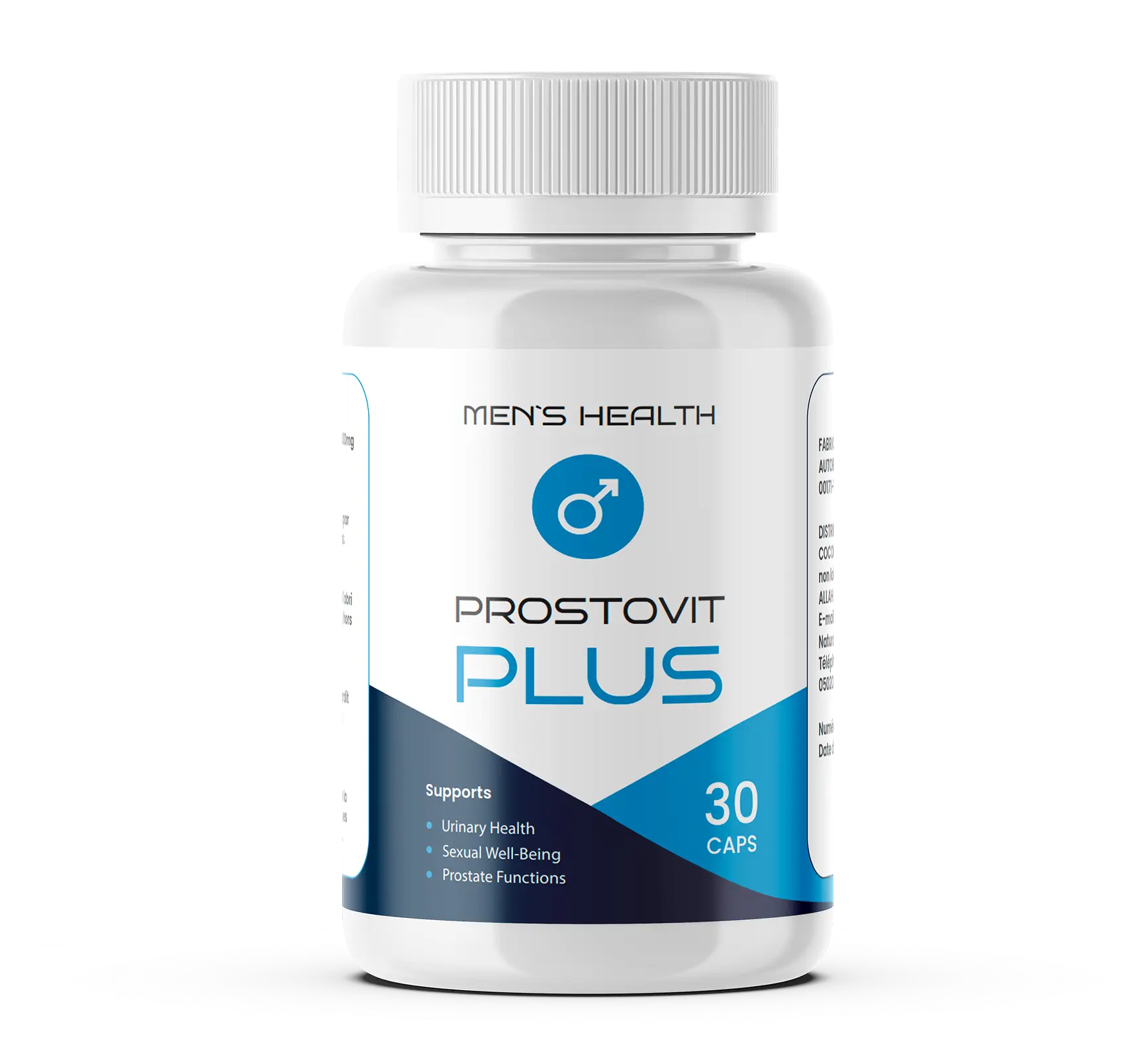
$19
/lead
Joints
Ivory Coast
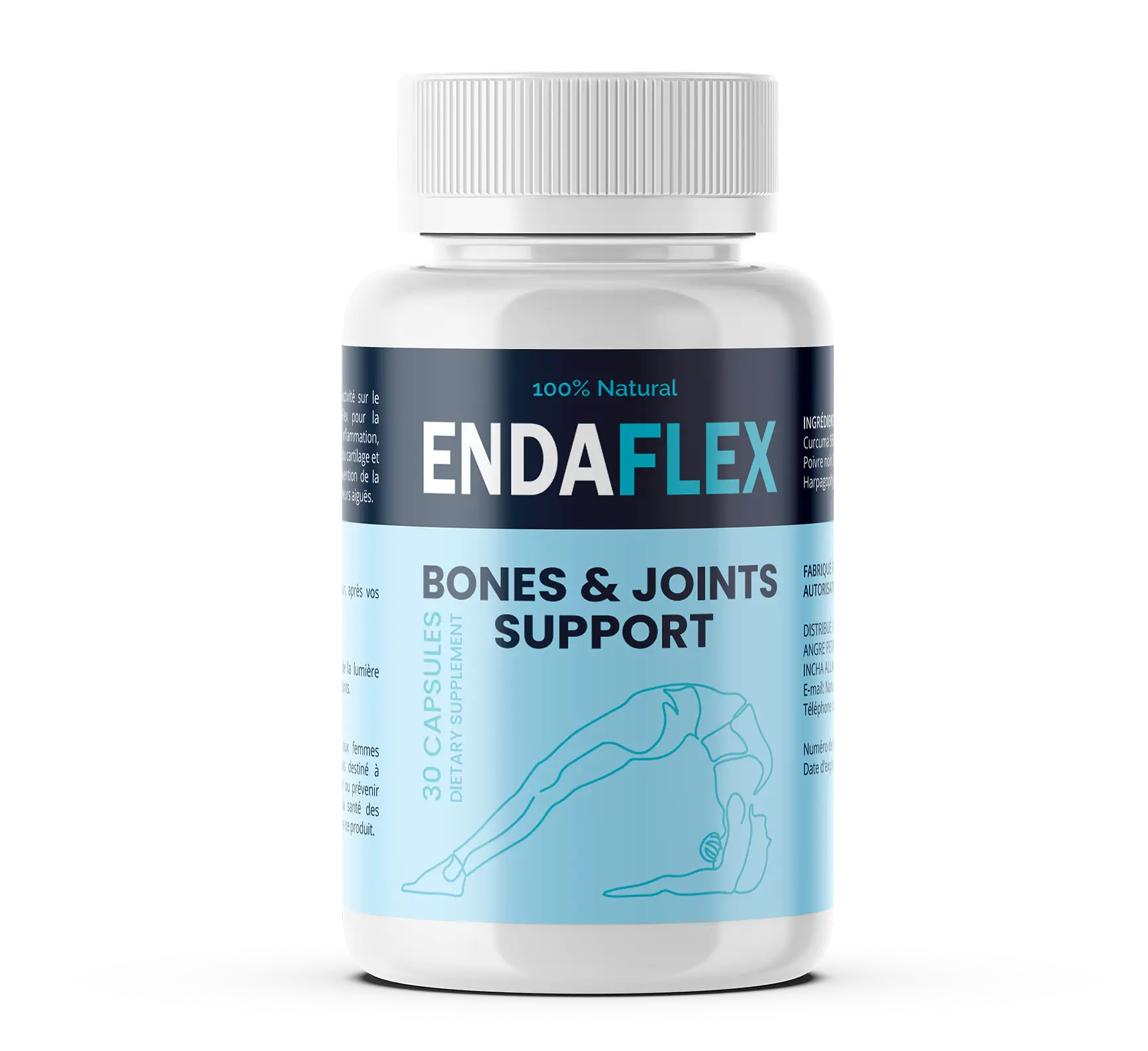
$21
/lead
Joints
Ivory Coast

$23
/lead
Bust
Ivory Coast
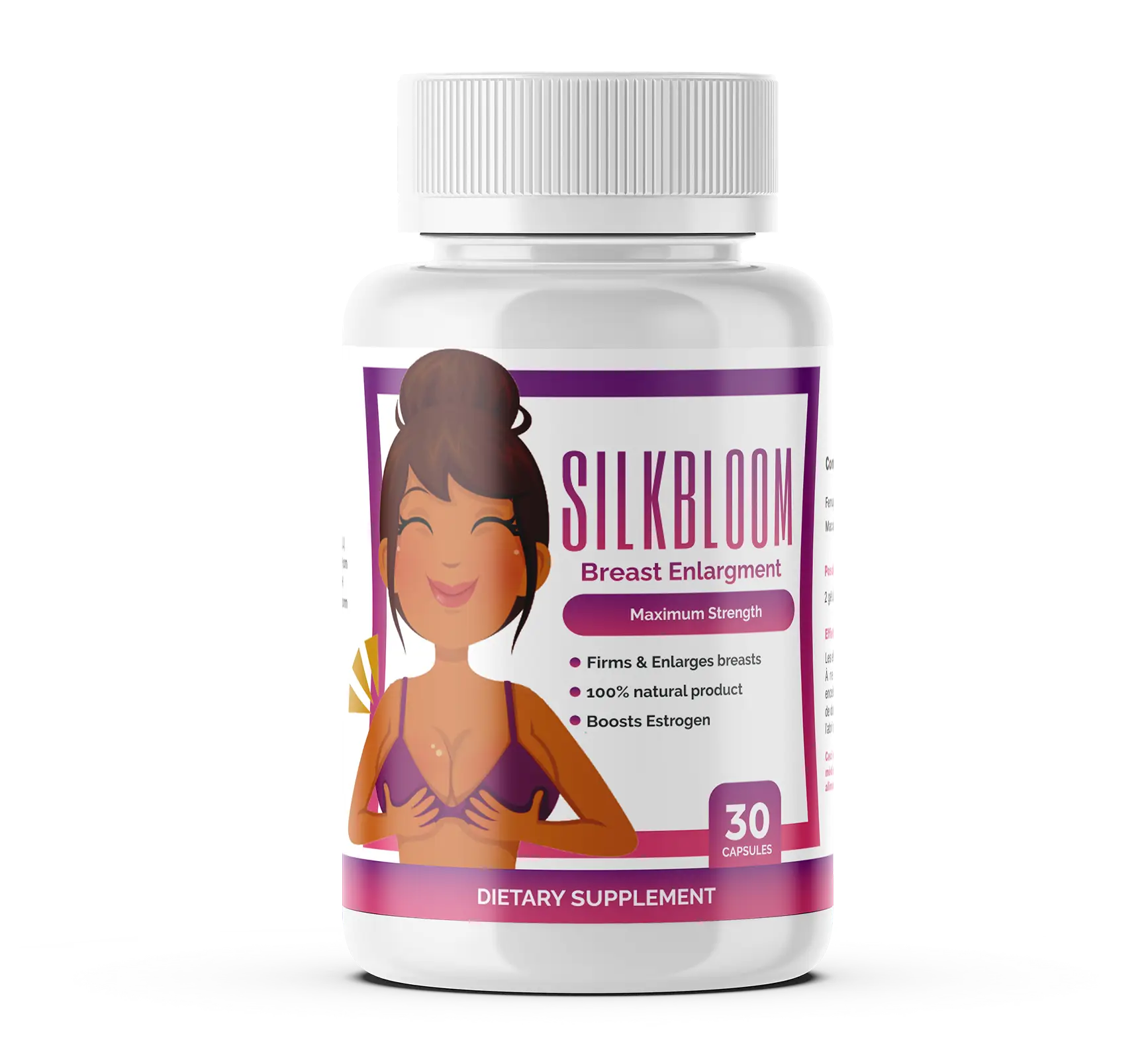
$19
/lead
Joints
Pakistan
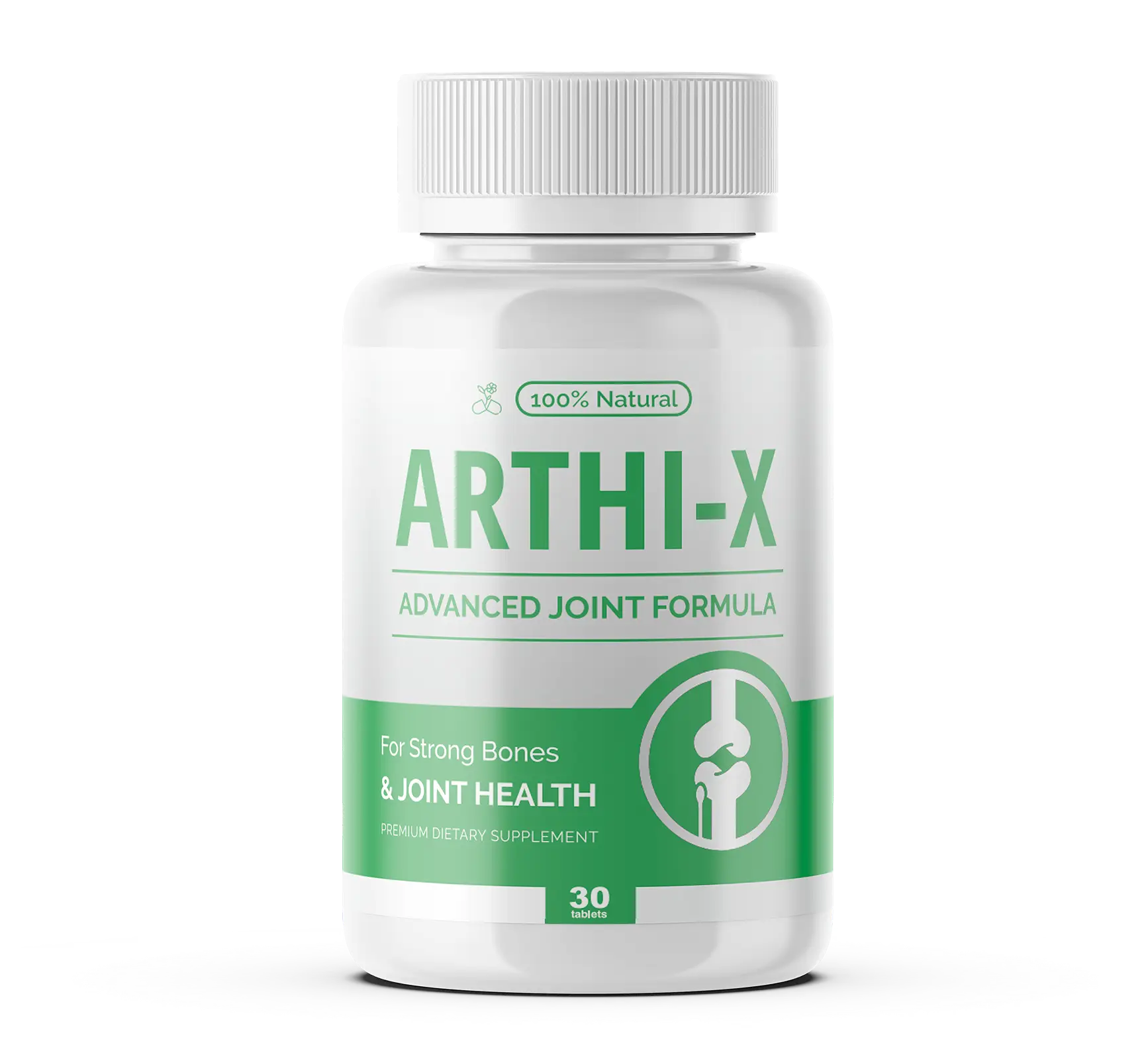
$11
/lead
Cardiology
Ivory Coast
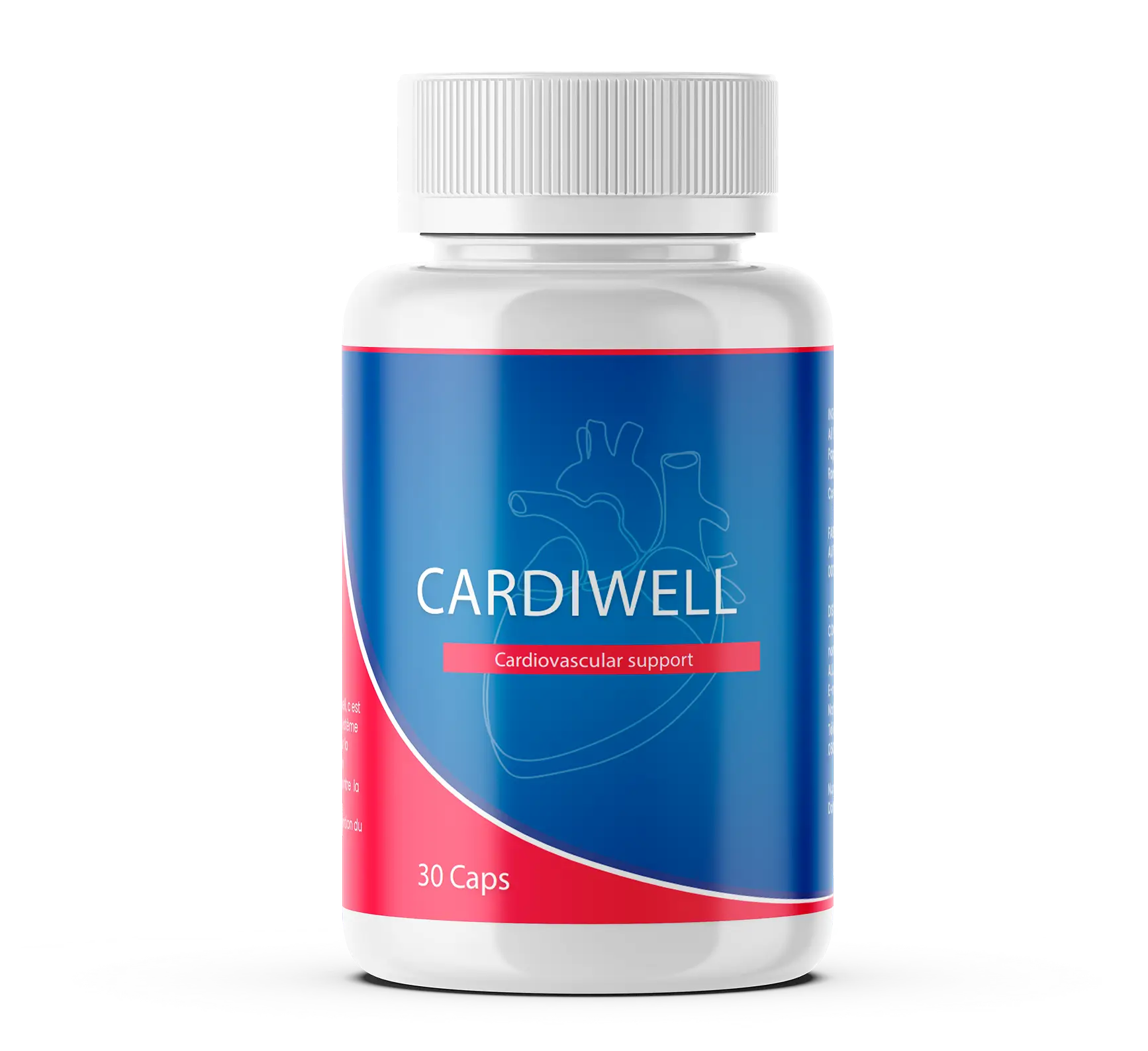
$18
/lead
Prostatitis
Morocco
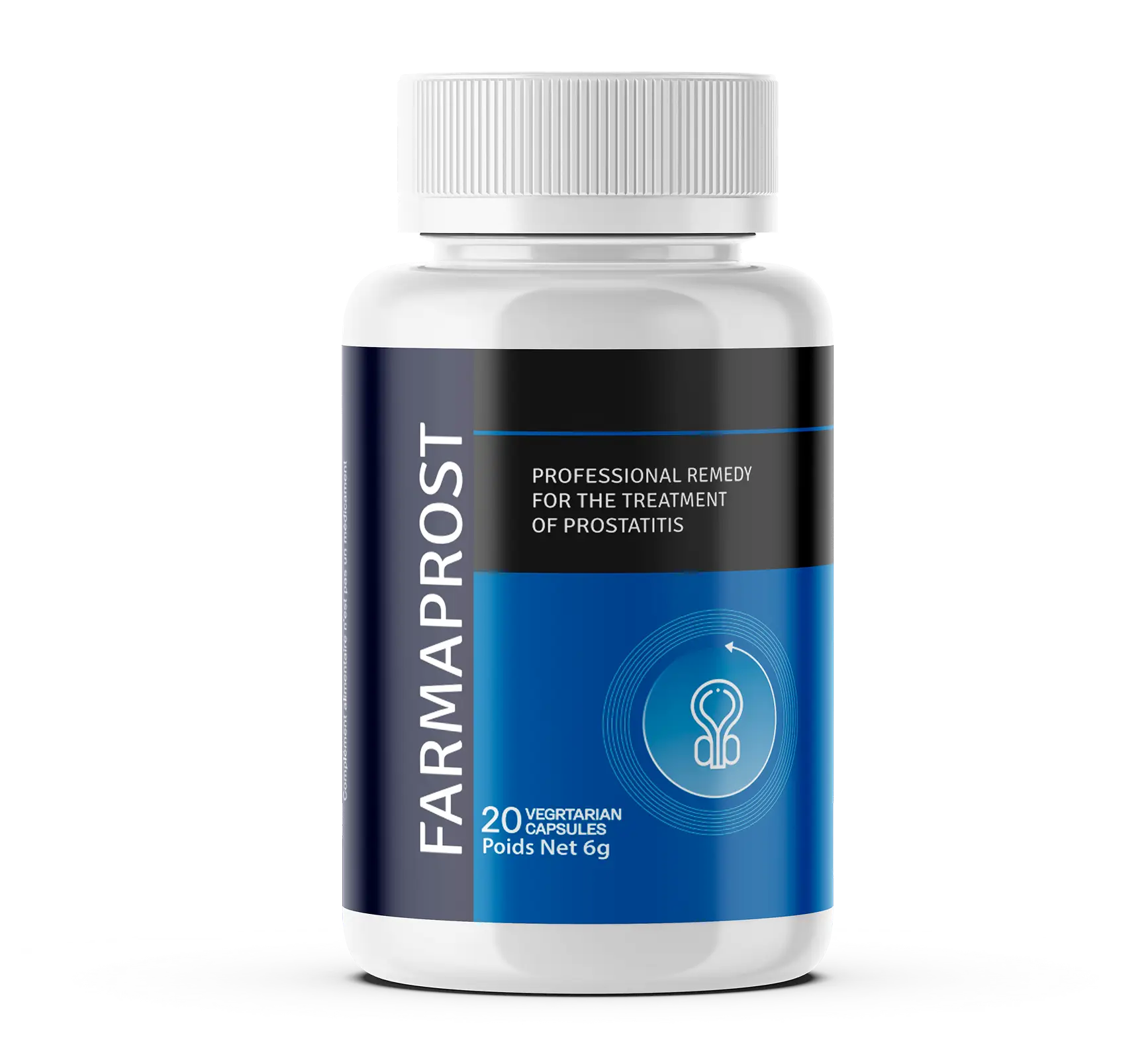
$20
/lead
Parasites
Ivory Coast
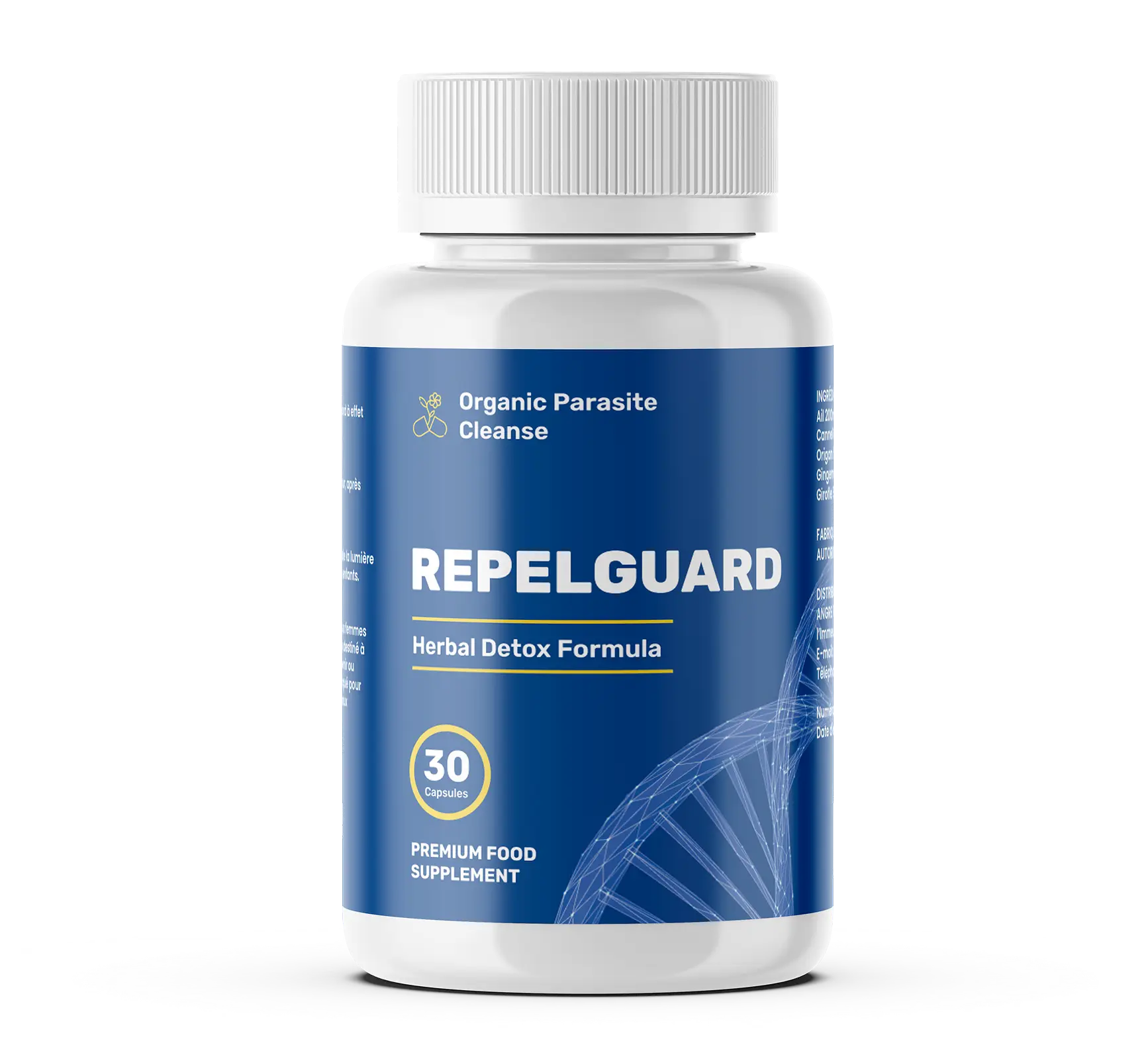
$18
/lead
Joints
Kenya
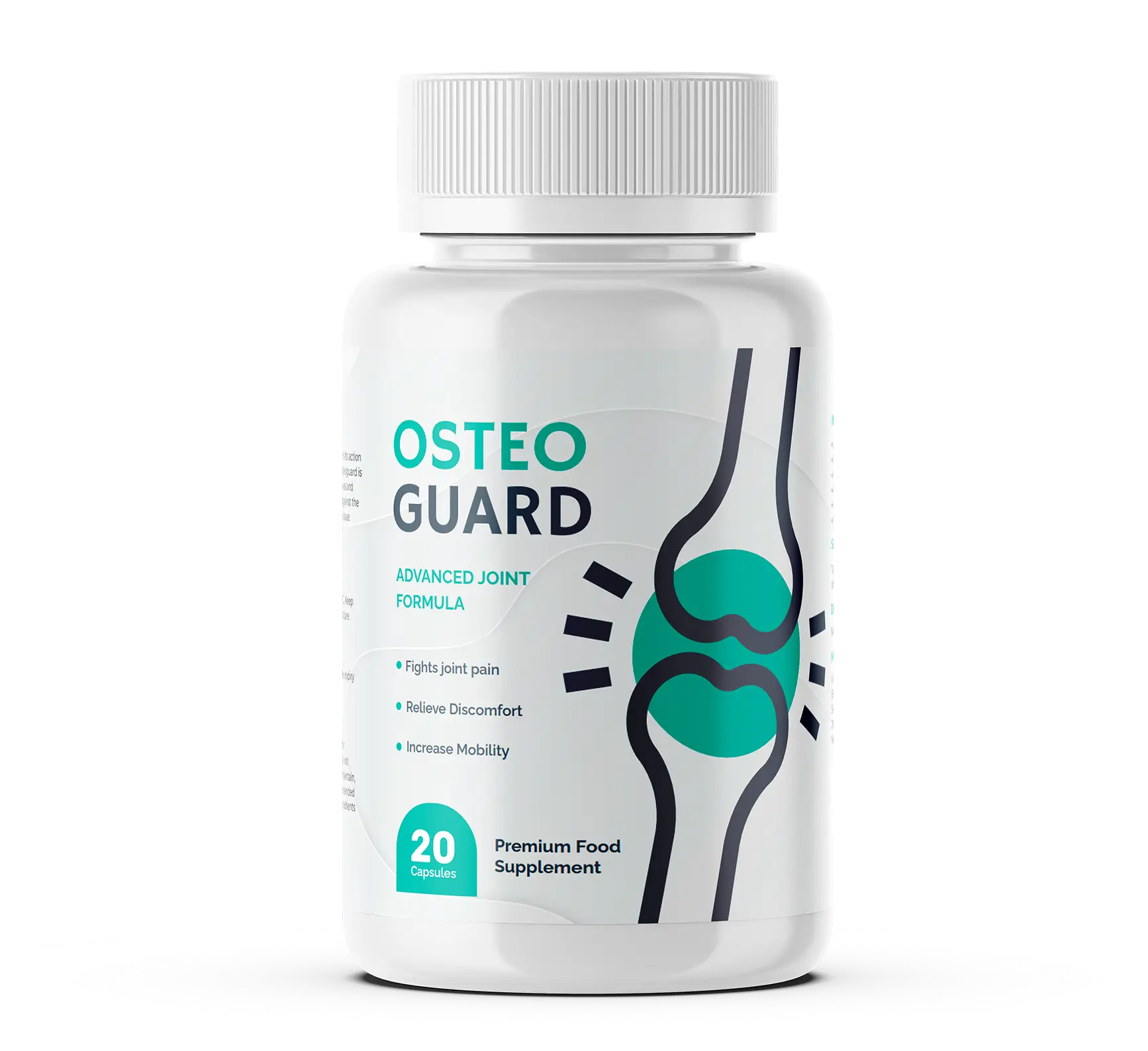
$18
/lead
Prostatitis
Kenya
$16
/lead
Weight loss
Ivory Coast
$21
/lead