We use cookies to personalize content and analyze traffic. We share information about your usage with our partners, who may combine it with other data.
Read more


INB Team
August 4, 2025


In this case study, we share our experience of launching operations in Tunisia “turnkey”: from registering a local company and obtaining all necessary licenses to setting up a local call center. We describe how we connected traffic from our partners at Space Profit and achieved stable revenue. You’ll learn what challenges to expect when entering the Arab market transparently, how much time and resources it really takes, and what is truly needed for a successful launch.
Entering a new GEO, especially an exotic one, always sounds great in theory: a large market, low competition, high demand. But in practice, things are far more complex. This is our third time entering Tunisia, and we can say with certainty: without strong legal support, product adaptation to local norms, and full localization – nothing will work. We’ve made our fair share of mistakes along the way, but we’ve also gained valuable experience we’re ready to share.
The main challenges included: legally registering a company with local specifics, obtaining licenses for each product, setting up a call center, organizing nationwide delivery, and completely overhauling creatives for the Tunisian audience. But this time, we had a clear understanding of what needed to be done and we delivered on time.
We launched a local call center, adapted our scripts and funnels, and redesigned our advertising communications with cultural sensitivity and a deep understanding of the local mindset.
In the end, we met the challenge. Sales took off, the call center is running, and the system is in place. Yes, our previous attempts were full of friction and delays, but this time, while not exactly smooth, we finally launched on schedule. Now, we have a solid grasp of how the Tunisian market works – and a fully operational infrastructure ready to scale.
This article outlines the journey from idea to a real turnkey launch. We’ll explain why you can’t simply “start selling supplements,” what hurdles lie at each stage, how much time and energy a legitimate launch demands, and how to avoid wasting your budget.
The first and most difficult part of opening a new GEO is legally establishing your company. Without a local legal entity, you simply cannot sell supplements in Tunisia legally. And while you might be tempted to “fast-track” things or ignore certain restrictions – we strongly advise against it. Especially if you aim to operate transparently and build a sustainable business.
In reality, company registration isn’t just about submitting paperwork — it’s a multi-layered process that requires patience and significant effort. For example, foreign nationals cannot directly own 100% of a Tunisian company. So we had to find a local nominee director. The key challenge was to legally limit their authority and secure the business.
Even basic tasks like opening a bank account turned out to be tricky. A whole stack of documents is required, and processes like tax inspections or foreign currency approvals take longer than expected.
It’s important to understand: having a good lawyer isn’t enough. You need someone who can monitor the entire process on the ground, speaks French or Arabic, and can gently (but persistently) remind local officials about your project.
This kind of launch requires full involvement and patience. If you want to enter Tunisia, you need to prepare in advance for the local “rules of the game” – even if at first they seem strange or pointless.
Once your legal entity is registered, it may feel like the hardest part is behind you. But in truth — the real work is just beginning. In Tunisia, you can only sell supplements after completing the full product registration process.
Each product must go through lab testing, safety certifications, ingredient documentation, certificates of origin, and other “joys.” All documents must be in French. Our lab partner handled the documentation, and then every product went through quality verification.
Tunisians love to talk. When ordering supplements, customers expect a phone call. And not just any call – a friendly, local voice speaking their dialect, without pressure, and with cultural understanding.
We dismissed the idea of outsourcing almost immediately — it felt too cold and impersonal. Instead, we set up a local call center with native agents — they’re the only ones who truly understand their audience, mentality, and communication style. Plus, trust levels are always higher when the voice on the other end is “one of their own.” So we hired local operators, trained them, rewrote our scripts, and adapted our funnels.
Training was more intensive than we expected. The Tunisian buyer doesn’t respond to typical “European” scripts. We had to ditch the memorized lines, give agents more flexibility, and fine-tune tone and speech tempo.
We also hit some technical snags — the wrong router, missing fiber-optic cable, slow internet. But despite everything, we managed to open on time.
Tunisia has strict regulations around advertising health-related products. You cannot say a product “cures” or “eliminates” a disease. You’re not allowed to use a doctor’s image unless you have written consent. And loud promises or celebrity faces? Absolutely off-limits.
So we had to completely rewrite our usual landing pages. We removed anything that could be seen as an exaggeration, focused on symptoms and the body’s natural improvement, added real testimonials, and used culturally relevant imagery.Each landing page became a separate project — requiring in-depth research on local mindset, cultural values, and legal limitations. That’s why we conducted market research and ran a focus group. You can find the details here.
We asked the Space Profit team to share what the Tunisia launch looked like from their side.
We launched Tunisia exclusively via Facebook, and that platform gave us the strongest results.
Video performed the best – particularly formats combining user reviews with a medical angle. This format built trust and reinforced the product’s credibility.
We targeted the classic demo for these types of offers: men and women aged 45+. We didn’t manually adjust interests or behaviors — Facebook’s algorithms handled that just fine, especially with proper pixel data via API.
The response? No surprises — it worked just as expected.
Tunisia is part of the Arab market, and the audience definitely has its own specifics. It’s important to account for both cultural differences and how people engage with products. Of course, we adapt to those nuances — though we can’t share all the details, for obvious reasons.
Yes, a few hypotheses didn’t pan out. For instance, product-focused angles underperformed. Some landing pages that work great in Europe or LATAM just didn’t resonate at all in Tunisia.
We made sure to A/B test the creatives. In the end, we left two lendings.
Overall, we based our creatives on proven frameworks that already worked well in Arab GEOs. The key factors? Strong headlines and relevant visuals – all based on local imagery.
The most surprising insight was that landing pages that crush it elsewhere completely flopped in Tunisia. That genuinely caught us off guard. Now, we take a much more agile approach — testing more formats and not relying solely on “proven classics.”
The launch of Tunisia was not only an operational achievement but also a media event. We publicly covered the entire launch process and even held an interactive activity: we invited users to guess which of the two creatives would perform better. The results are shown in the image below.

Landing Page №1 won by a margin of nearly 8%. One lucky participant who guessed correctly received a Tunisian carpet and an authentic wine jug.
We officially entered the market. Sales are stable. The team is performing great. Every process is in place: from legal backing to call center operations, from licensing to creatives.
Want to launch a new GEO – exclusively turnkey for your brand? Looking to test non-standard markets with lower competition and high demand? INB.bio handles the full launch – from legal setup to call center development and creative localization.
Your job? Supply quality traffic and be ready to scale.
We operate across 15+ countries with low competition and exceptional profit potential. Our focus covers high-growth regions for scalable traffic and conversions.


3+ offers

22% app.

2+ offers
23% app.

15+ offers
24% app.

9+ offers
24% app.

8+ offers
23% app.

2+ offers
21% app.

1+ offers
16% app.

3+ offers
20% app.
Our product line is built for results: every offer is tested, localized, and ready to scale.

Varicose

Morocco
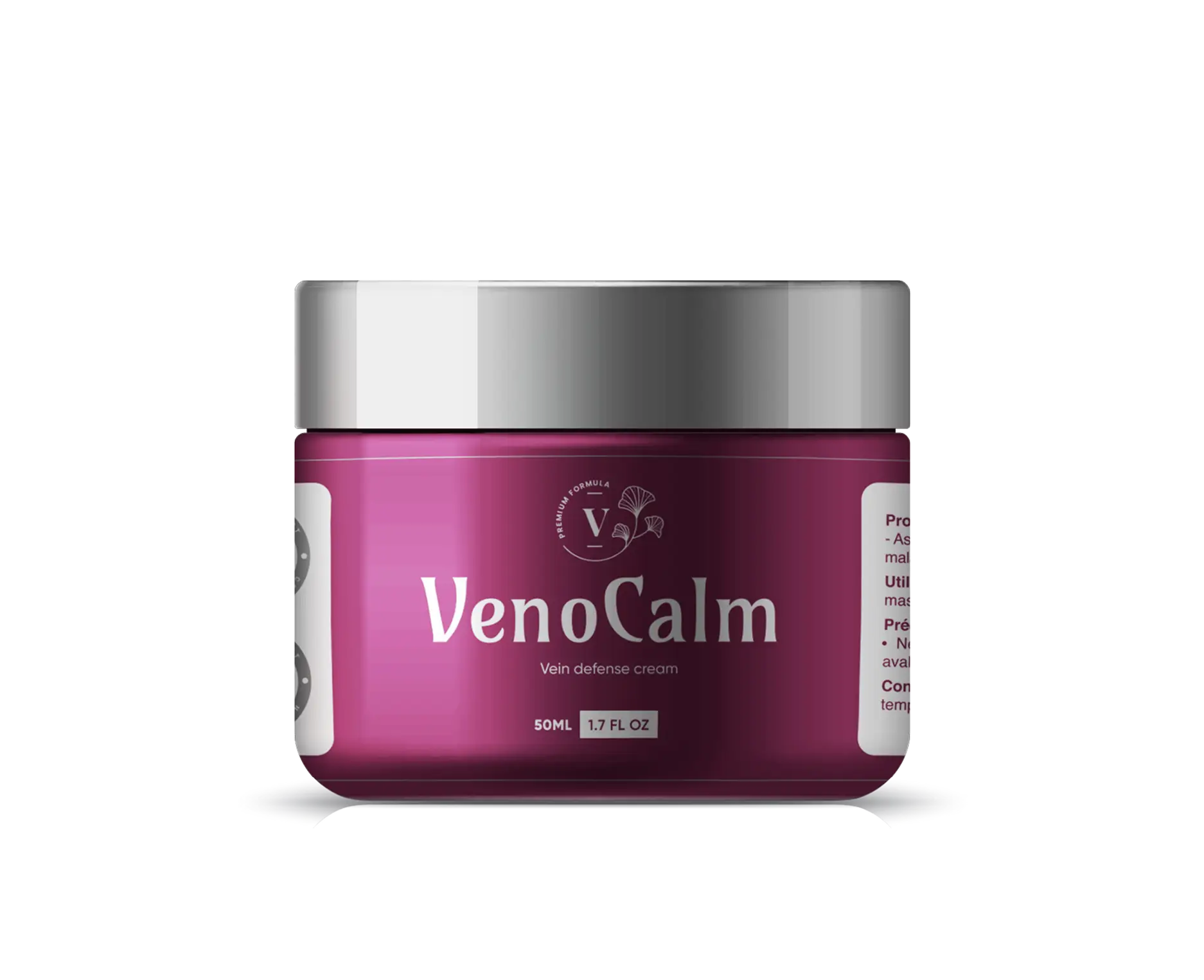
$21
/lead
Weight loss
Morocco
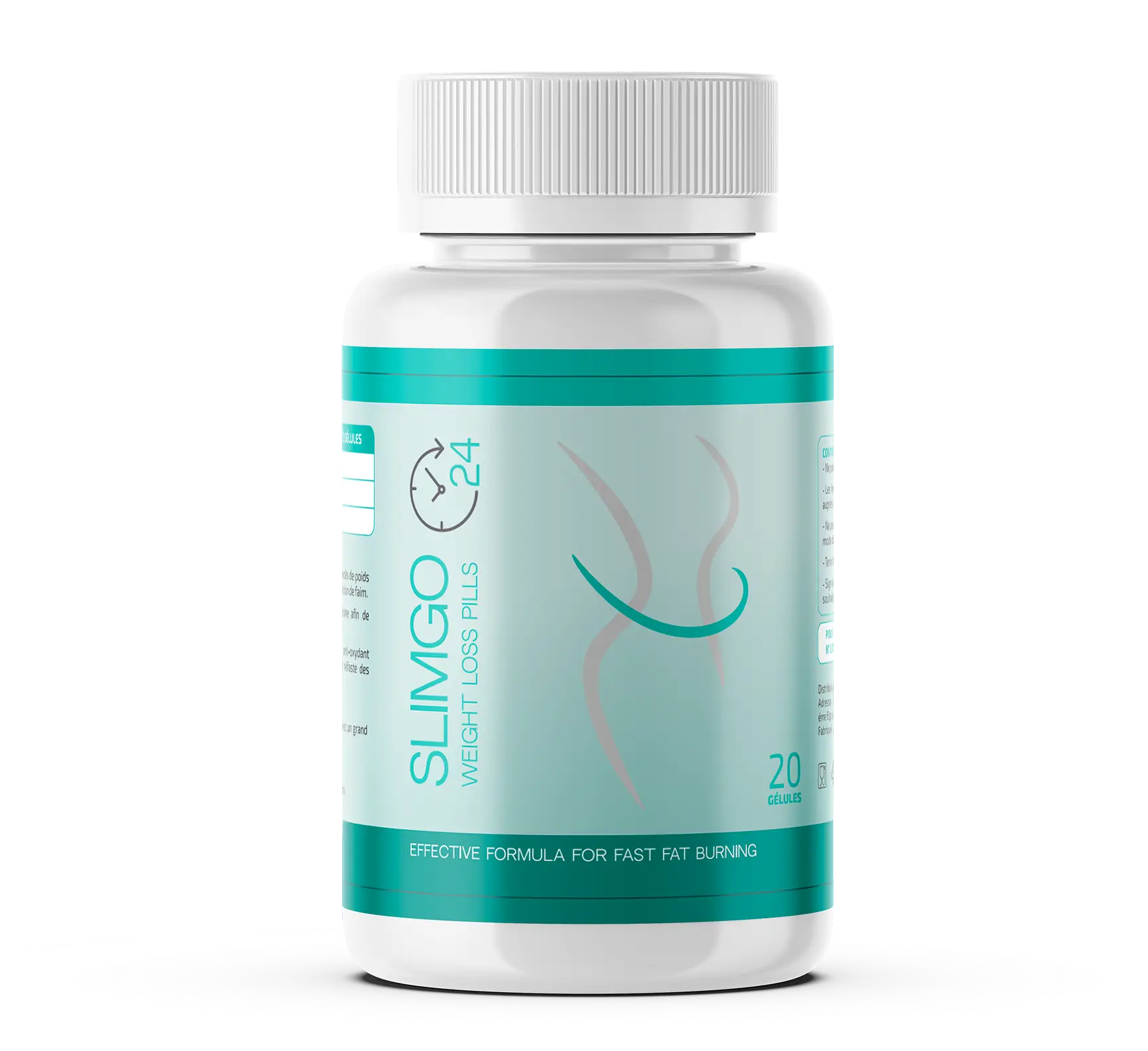
$18
/lead
Joints
Morocco
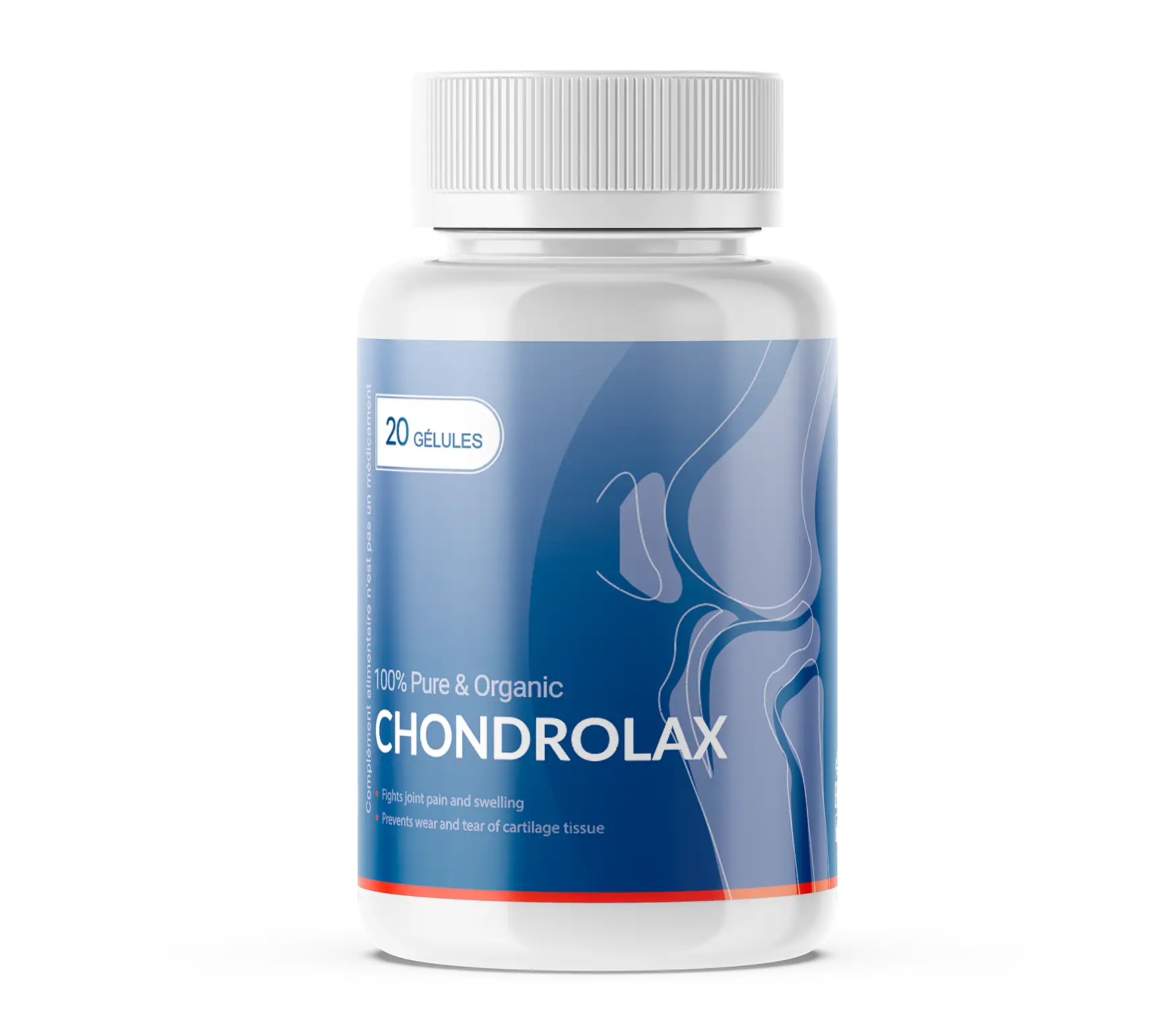
$18
/lead
Prostatitis
Kenya
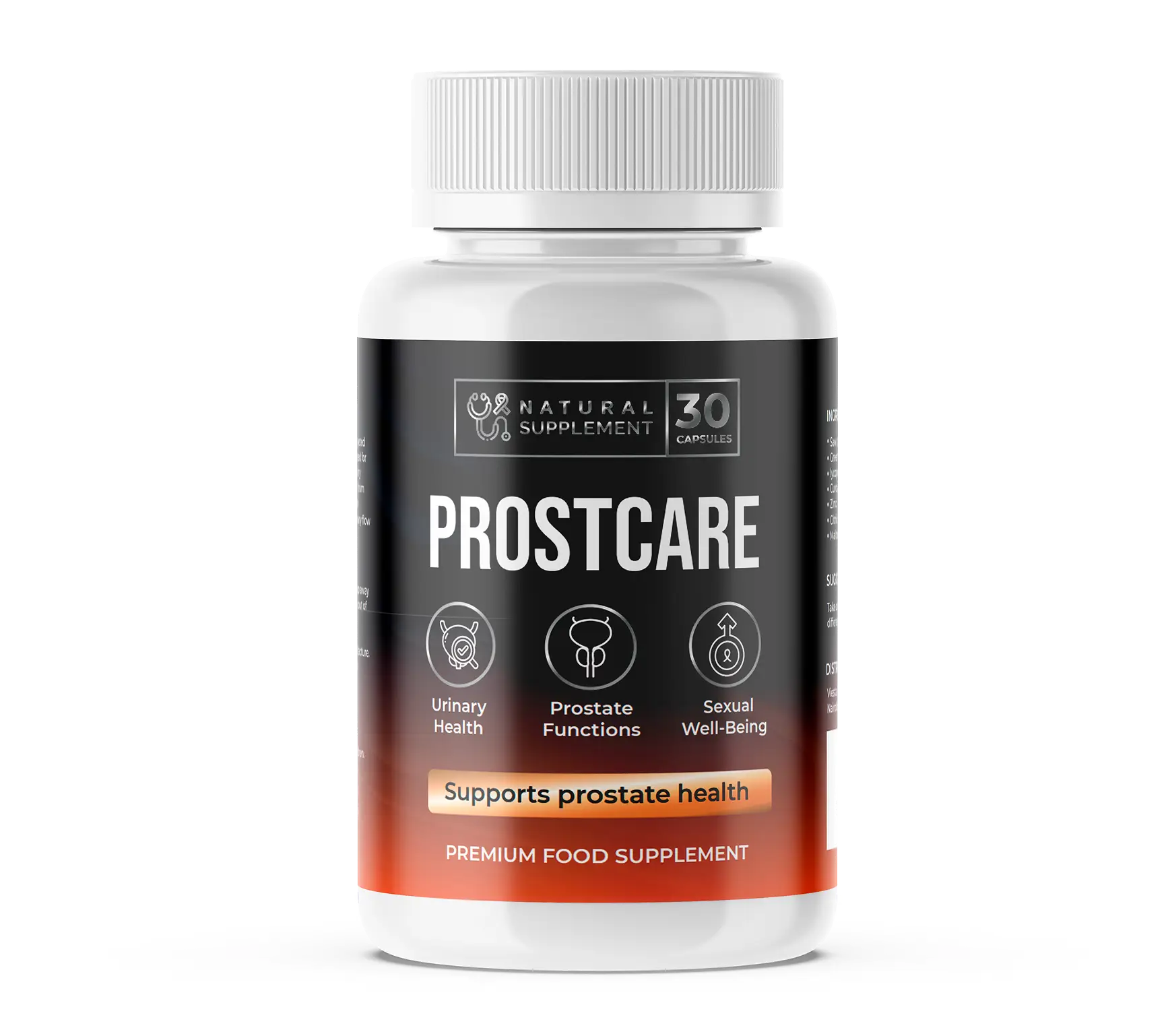
$16
/lead
Weight loss
Pakistan
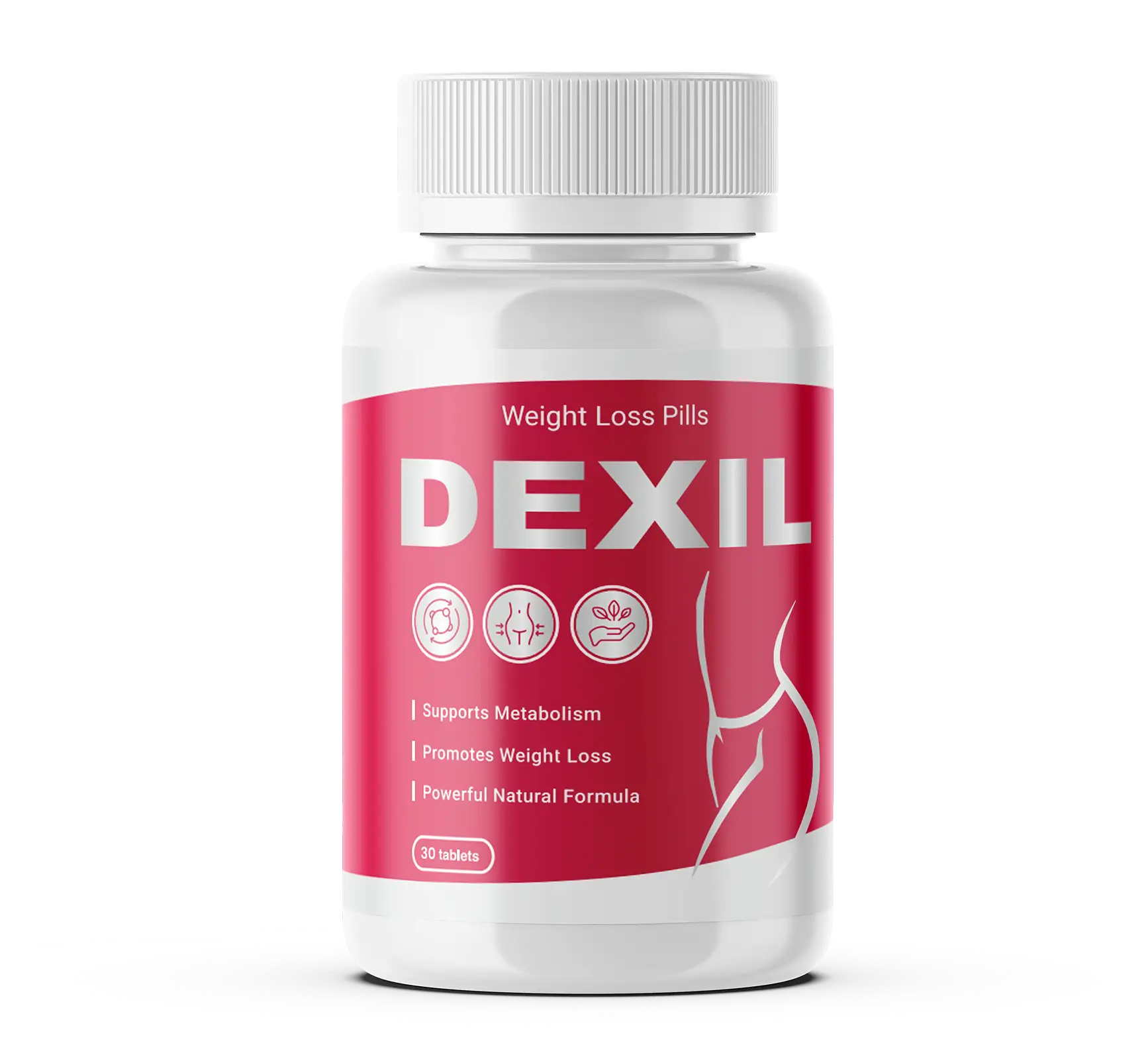
$10
/lead
Bust
Ivory Coast
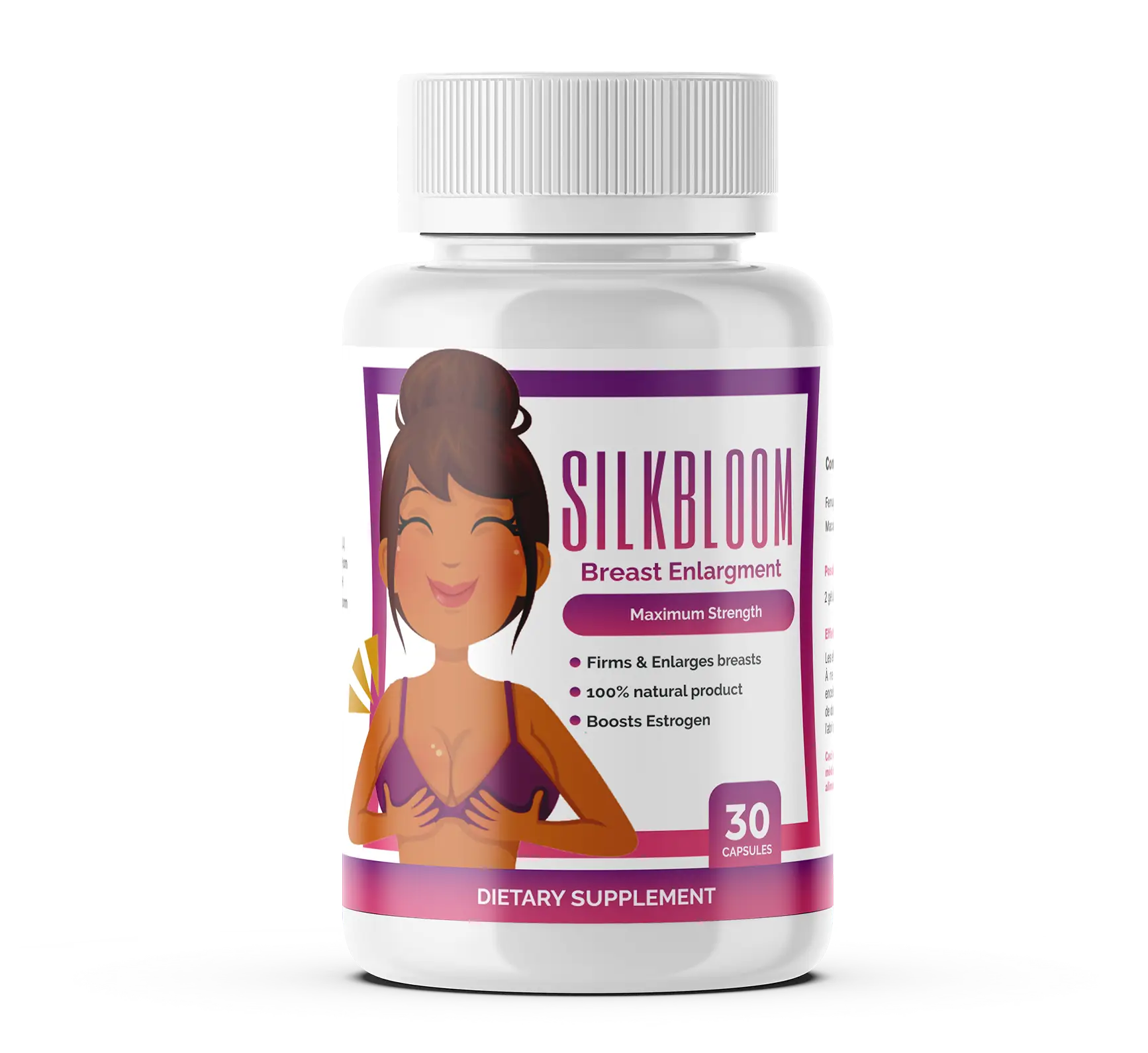
$19
/lead
Joints
Pakistan
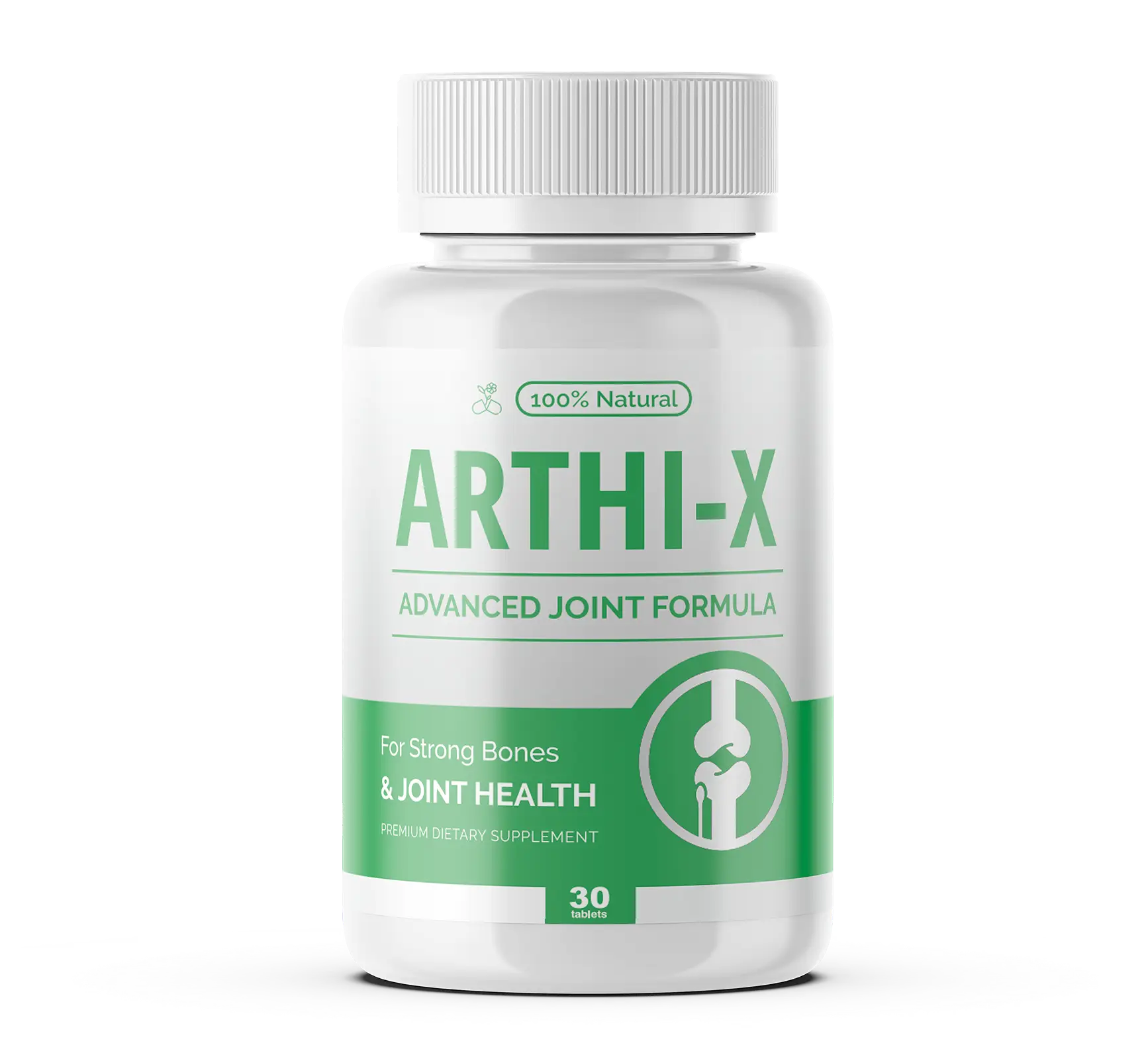
$11
/lead
Prostatitis
Pakistan
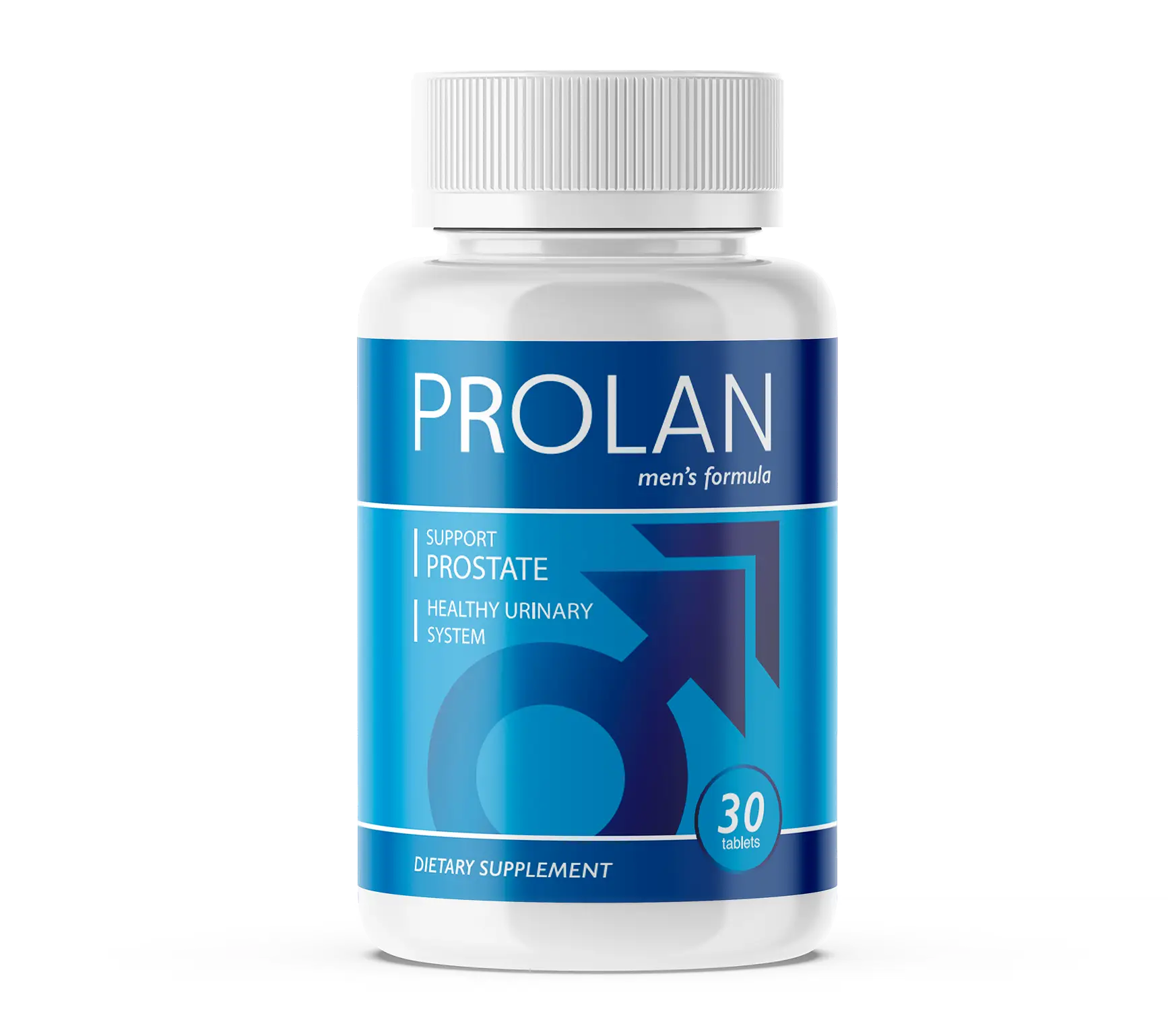
$11
/lead
Parasites
Ivory Coast
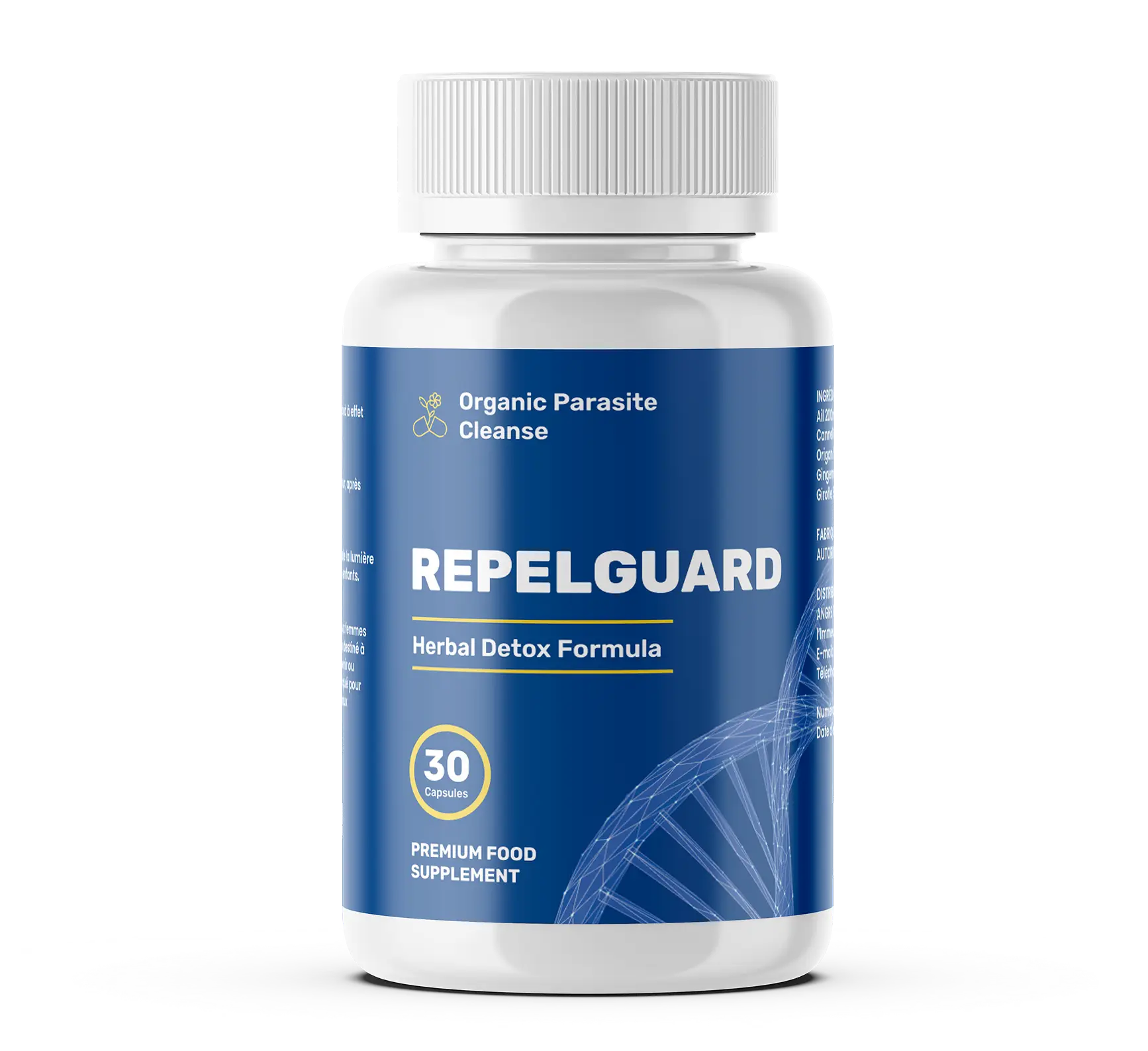
$18
/lead
Diabetes
Ivory Coast
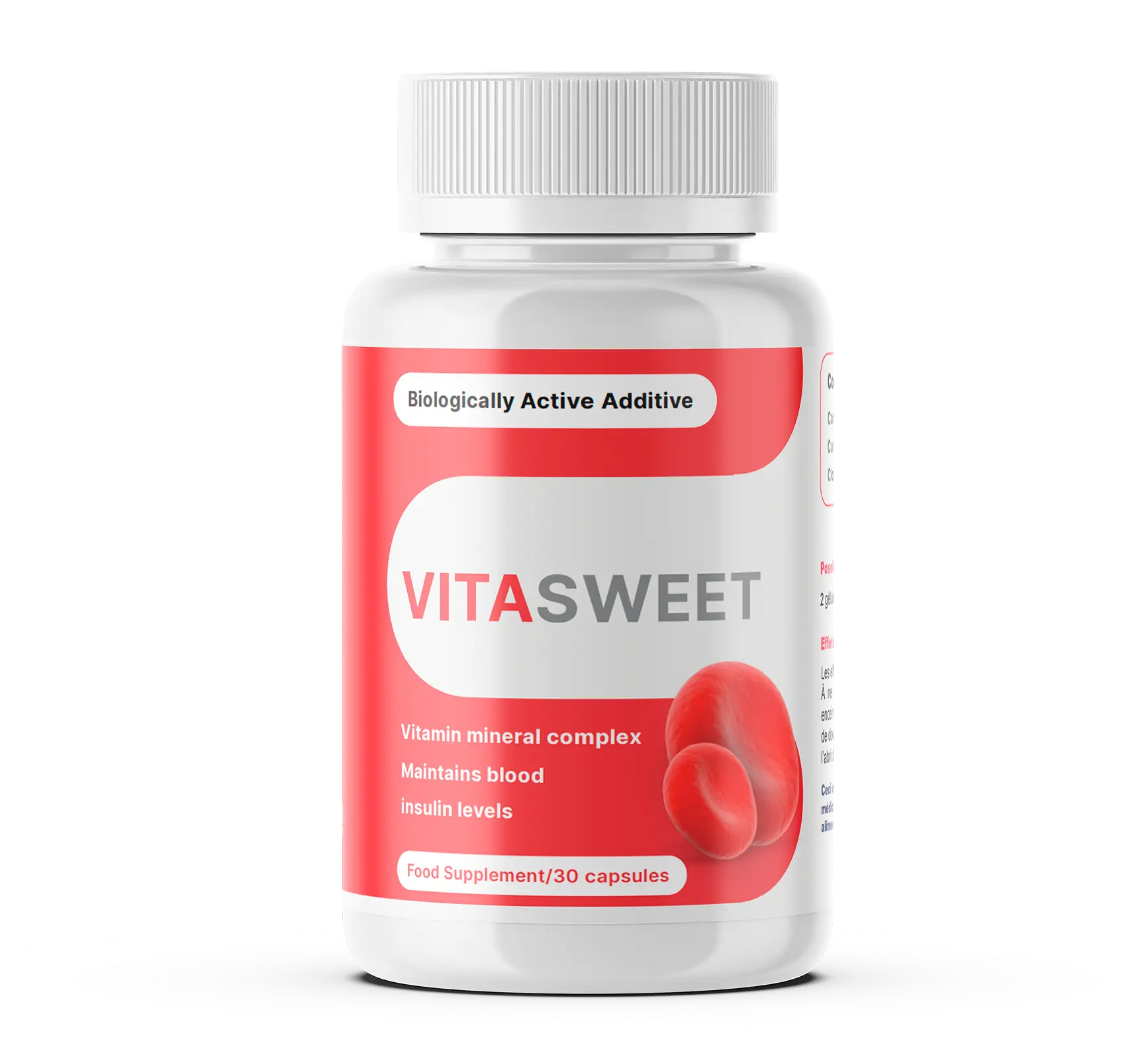
$21
/lead
Vision
Ivory Coast
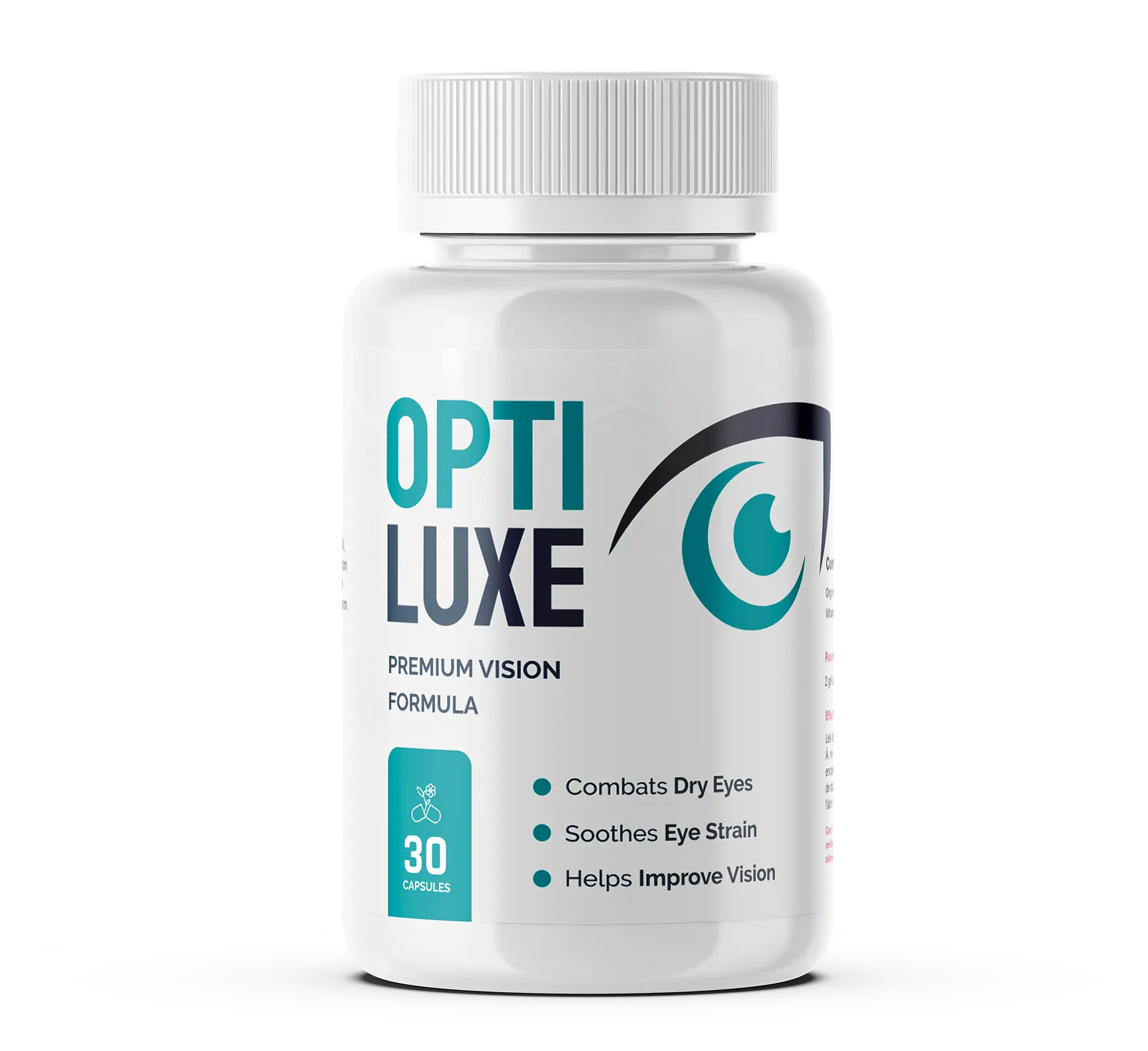
$18
/lead