We use cookies to personalize content and analyze traffic. We share information about your usage with our partners, who may combine it with other data.
Read more



Approval rate (Approve Rate) is the percentage of leads confirmed by an advertiser or call center after processing. In nutra affiliate marketing, it shows how many generated leads turn into payable CPA conversions.
You can generate cheap leads, see great numbers in your ad dashboard, and still lose money. A low approval rate is often the reason.
Below, we’ll explain how to calculate approval rate, why it drops, and how to get more confirmed orders without increasing your advertising budget.
In simple terms, approval means confirming a lead. The term can refer to the status of an individual lead or to the approval rate metric, which measures the percentage of confirmed leads.
In the Nutra vertical, where the Cash on Delivery (COD) model is widely used, the process looks like this:
Important: submitting a lead doesn’t guarantee a payout. The customer might not answer the phone, refuse the order, or provide an invalid number. That’s why approval rate in CPA marketing helps evaluate not only lead volume but also how genuinely interested those leads are in buying.
To calculate approval percentage, you only need two numbers: total leads received and leads confirmed. The approval rate formula is simple:
Approval rate (%) = (Approved leads / Total leads) × 100%
For example, you generate 200 leads, and the call center confirms 50 of them. Your approval rate is 25%.
But there’s a catch: CPA platforms may calculate approval rates differently. Some include every lead, while others exclude duplicates, junk leads, and leads that are still being processed. If you remove 20 invalid leads from the same 200, the approval rate increases to 27.8%.
Before comparing different offers, ask your manager which lead statuses are included in the calculation.
Let’s say an offer pays $15 per confirmed order. Here’s how a change in approval rate affects earnings with the same number of leads.
| Metric | Scenario A | Scenario B |
| Leads | 100 | 100 |
| Approval rate | 20% | 30% |
| Confirmed orders | 20 | 30 |
| Earned revenue | $300 | $450 |
With a 30% approval rate, you earn $150 more from the same 100 leads than you would at 20%. Even if those leads cost slightly more, they can still generate higher revenue.
That’s why lead approval rate should always be evaluated alongside CPL: cheap leads don’t necessarily mean higher earnings.

If you want to understand what affects approval rate, focus on two main factors: the quality of your traffic and the performance of the call center.
A high CR doesn’t guarantee a strong lead approval rate. Your ads may generate plenty of leads, but not everyone who submits a form is ready to buy.
For example, an ad promises a product at almost no cost, but during the confirmation call, the buyer discovers the full price of the course. The result? A rejected order.
That’s why it’s important to attract the right audience, avoid misleading promises, and clearly explain pricing and order terms in advance.
Another issue is junk leads: accidental submissions, invalid phone numbers, and contacts that don’t meet the offer’s requirements. They hurt your statistics without generating revenue.
Even high-quality leads can be lost if processing takes too long. For example, a customer submits a request in the morning but doesn’t receive a call until the evening. By then, they may have changed their mind or forgotten about the order entirely.
A nutra call center directly influences approval rates. Key factors include lead processing speed, repeated call attempts, product knowledge, and an understanding of the local market.
That’s why INB.bio operates local call centers. Operators communicate with customers in their own language, understand local buying behavior, and help confirm orders more effectively.

Has your nutra approval rate dropped? Don’t rush to pause your campaign. First, check which statuses your leads receive most often. This will help you identify where potential buyers are being lost and what needs fixing.
| What’s happening | Possible cause | What to do |
| Too many unanswered calls | Invalid phone numbers, delayed calls | Add a phone number input mask, check lead processing speed, and review repeated call attempts |
| Too many refusals | Customers expected a different price or offer terms | Compare your ads, landing page, and actual offer |
| Too many junk leads | Accidental submissions, irrelevant audiences | Review traffic sources and form validation |
| Too many duplicates | The same customer submits multiple requests | Check repeated submissions and deduplication |
| Suspected fraud | Suspicious patterns of lead submissions | Review traffic sources, repeated contact details, and platform data |
| Sudden approval rate drop | Changes in advertising or lead processing | Check what changed before the drop: traffic source, creatives, landing page, or processing speed |
Don’t confuse unanswered calls, junk leads, and fraud. An unanswered lead is a customer who doesn’t pick up the phone. Junk leads are invalid or accidental submissions, while fraudulent leads show signs of intentional deception. These issues have different causes and require different solutions.
One more tip: don’t judge approval rates based on fresh leads. While some orders are still being processed, your approval percentage may be lower than the final result. For accurate comparisons, use periods in which the call center has already completed its call attempts.
Want to know how to improve approval rate in nutra? Start with simple changes that help attract more interested buyers and reduce order refusals.
One more tip: Change one element at a time. This makes it easier to identify what actually improved performance and prevents you from wasting money on random tests.

There’s no universal answer to what a good nutra approval rate should be. It depends on the GEO, product, price, traffic source, and call center performance.
For example, a 20% approval rate might be a strong result for one offer but low for another. Instead of comparing your approve rate with general market averages, use the current performance benchmarks for the same offer and GEO.
Ask your manager which period the statistics cover, what traffic sources were used, and how leads were counted. This will make your comparison much more useful.
In Nutra COD, these metrics describe different stages of the order process.
| Term | What it means |
| CR | How many landing page visitors submit a lead |
| Approval rate | How many leads the call center confirms |
| Hold | The period during which a conversion or payout is reviewed |
| Delivery rate | How many confirmed orders are received and paid for by customers |
| Non-delivery | When a customer doesn’t complete payment upon delivery |
The difference between approval rate and delivery rate is simple: confirming an order over the phone and actually paying for it are two different actions.
For example, customers pay for 35 out of 50 confirmed orders. That gives you a 70% delivery rate. The approval rate, meanwhile, is calculated separately based on the number of leads received.
A hold in CPA marketing isn’t a rejection. It’s a review period after which the conversion or payout receives its next status.
What affiliates should remember: If a CPA offer pays for confirmed orders, commissions are earned upon confirmation rather than actual product delivery and payment. The specific terms depend on the affiliate program.
More leads don’t automatically mean more money. Nutra approval rate helps you understand how many of your leads actually generate revenue. That’s why you should look beyond CPL and offer payouts and pay close attention to traffic quality.
If your approval rate drops, don’t rush to increase your budget or switch offers. First, find out where customers are being lost: in the ads, on the landing page, or during the confirmation call. Sometimes fixing a single detail is enough to generate more approved orders.
Want to test new funnels? Explore INB.bio offers supported by local call centers, and ask your affiliate manager about current approval rates and conditions for your target GEO.
Свернуть

We operate across 15+ countries with low competition and exceptional profit potential. Our focus covers high-growth regions for scalable traffic and conversions.


3+ offers

22% app.

2+ offers
23% app.

15+ offers
24% app.

9+ offers
24% app.

8+ offers
23% app.

2+ offers
21% app.

1+ offers
16% app.

3+ offers
20% app.
Our product line is built for results: every offer is tested, localized, and ready to scale.

Cardiology

Morocco
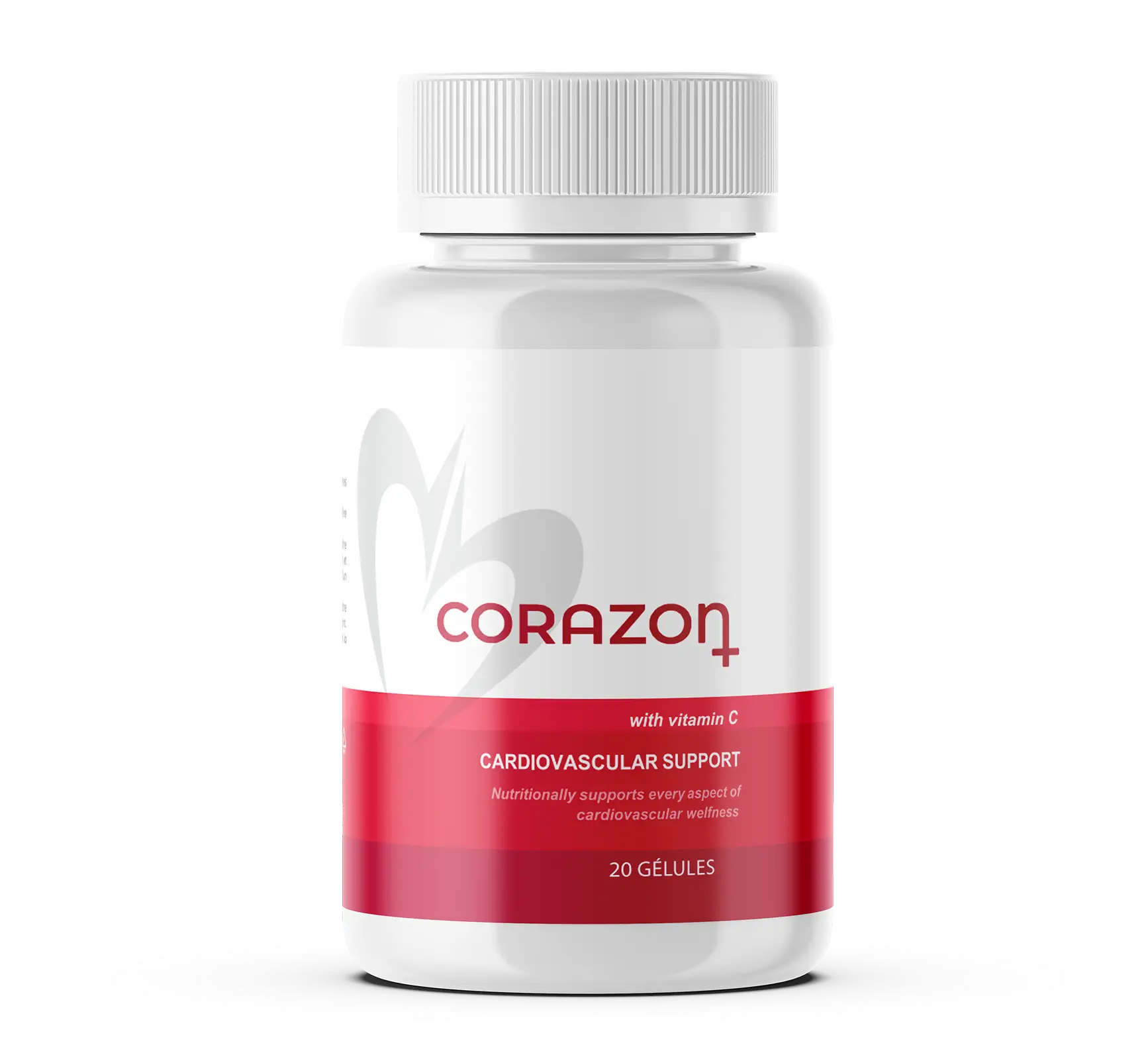
$21
/leadJoints
Ivory Coast
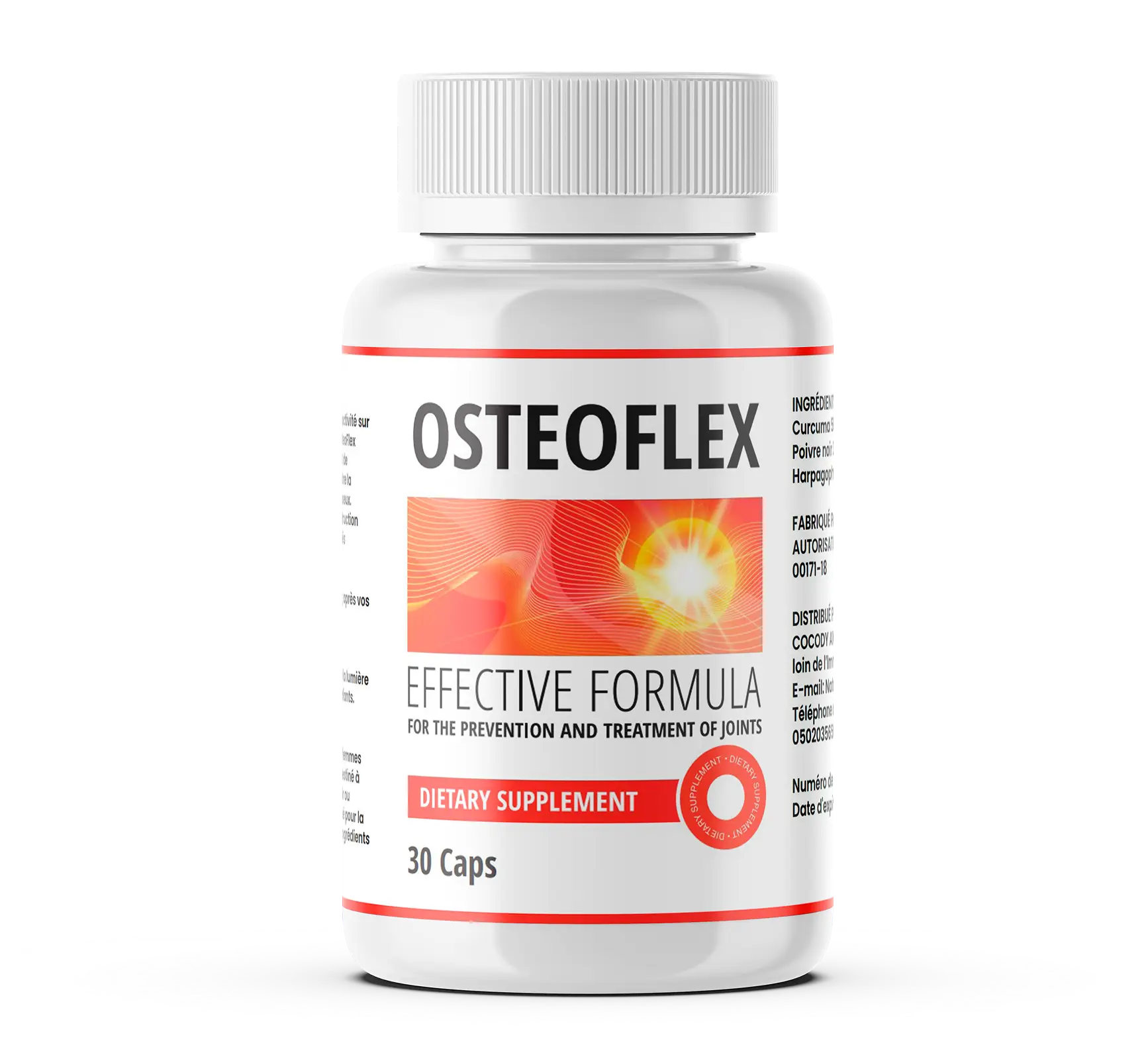
$23
/leadHearing
Ivory Coast
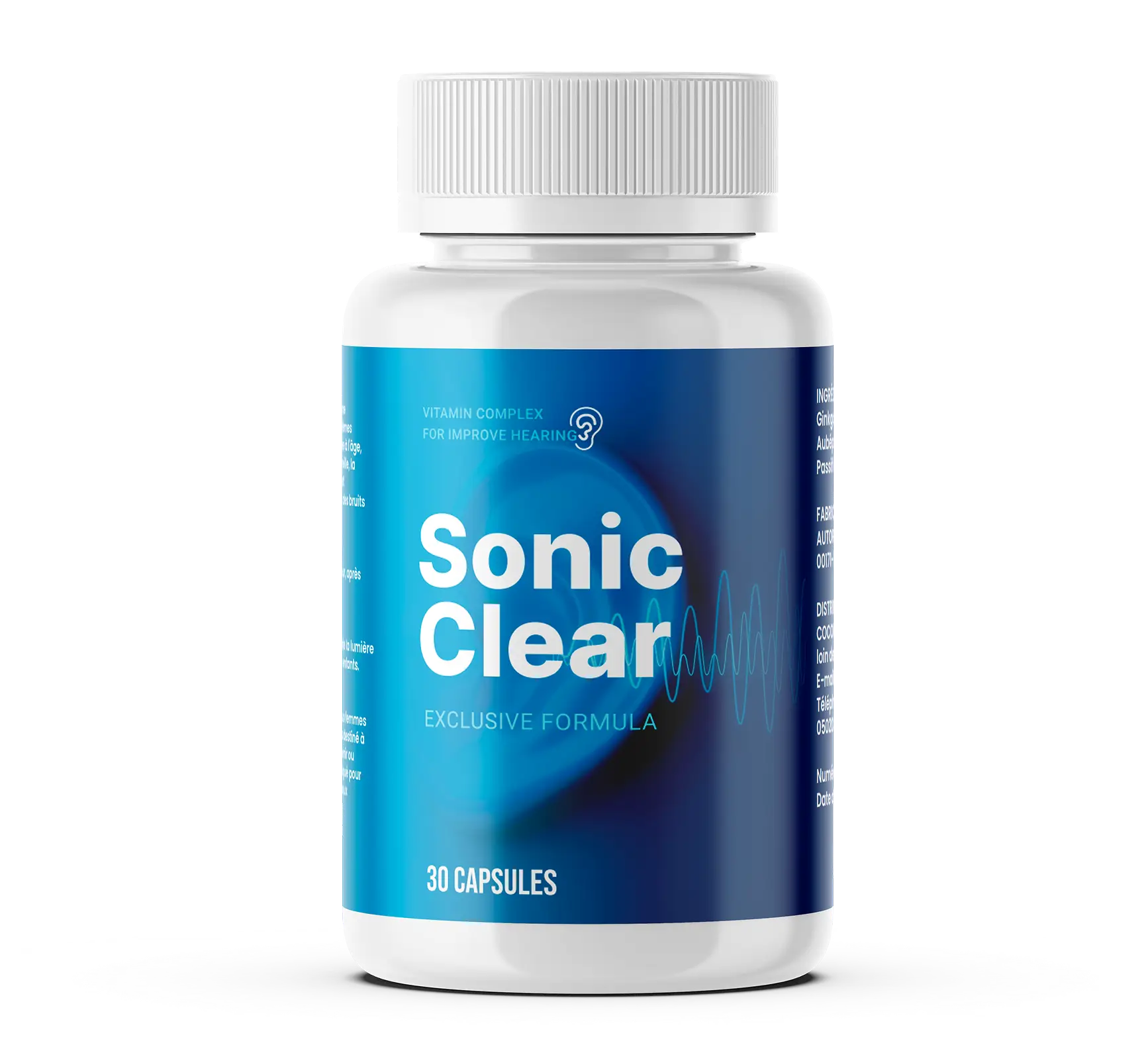
$17
/leadJoints
Ivory Coast
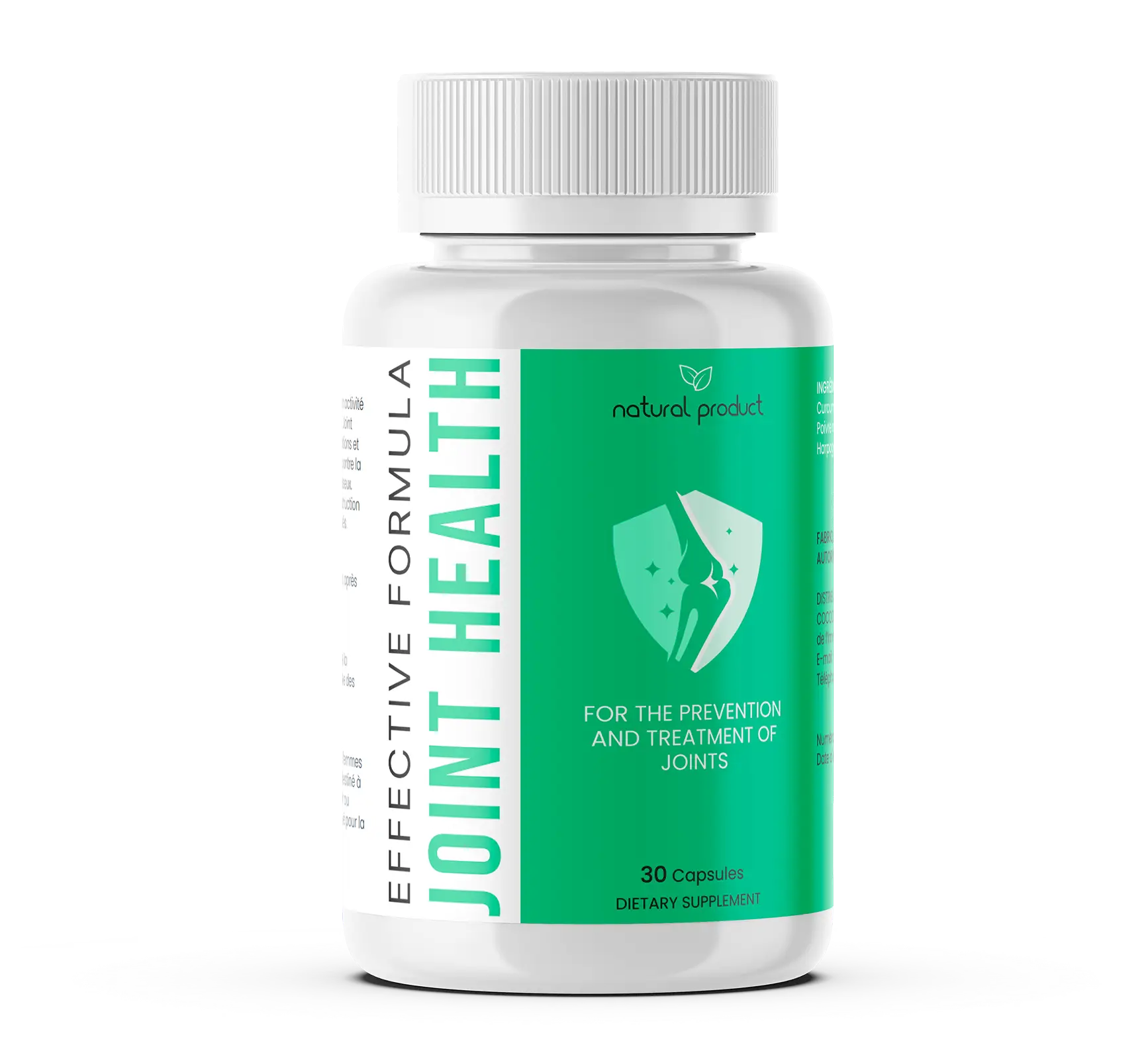
$23
/leadVision
Algeria

$18
/leadProstatitis
Algeria

$21
/leadWeight loss
Morocco
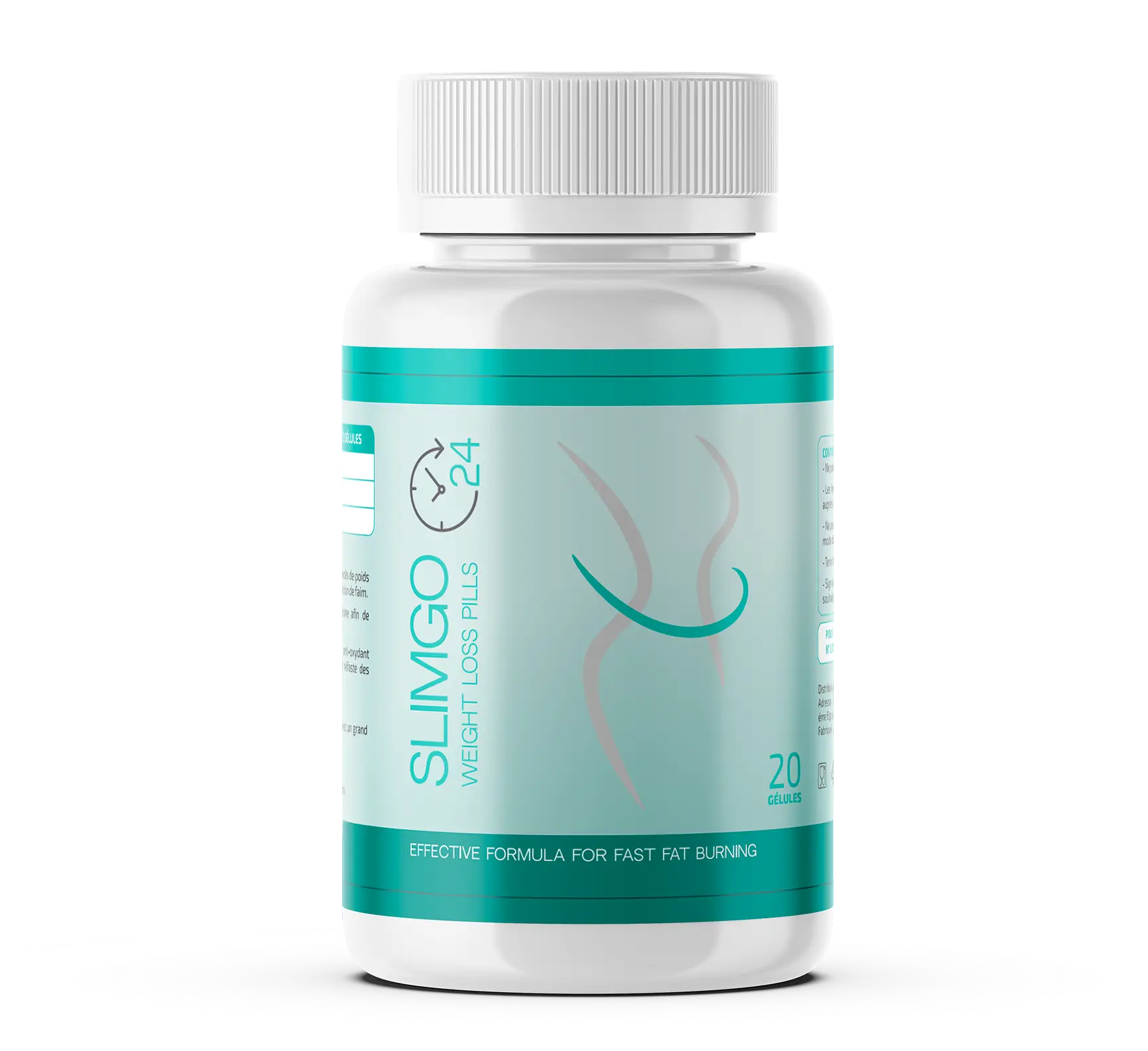
$18
/leadDiabetes
Ivory Coast
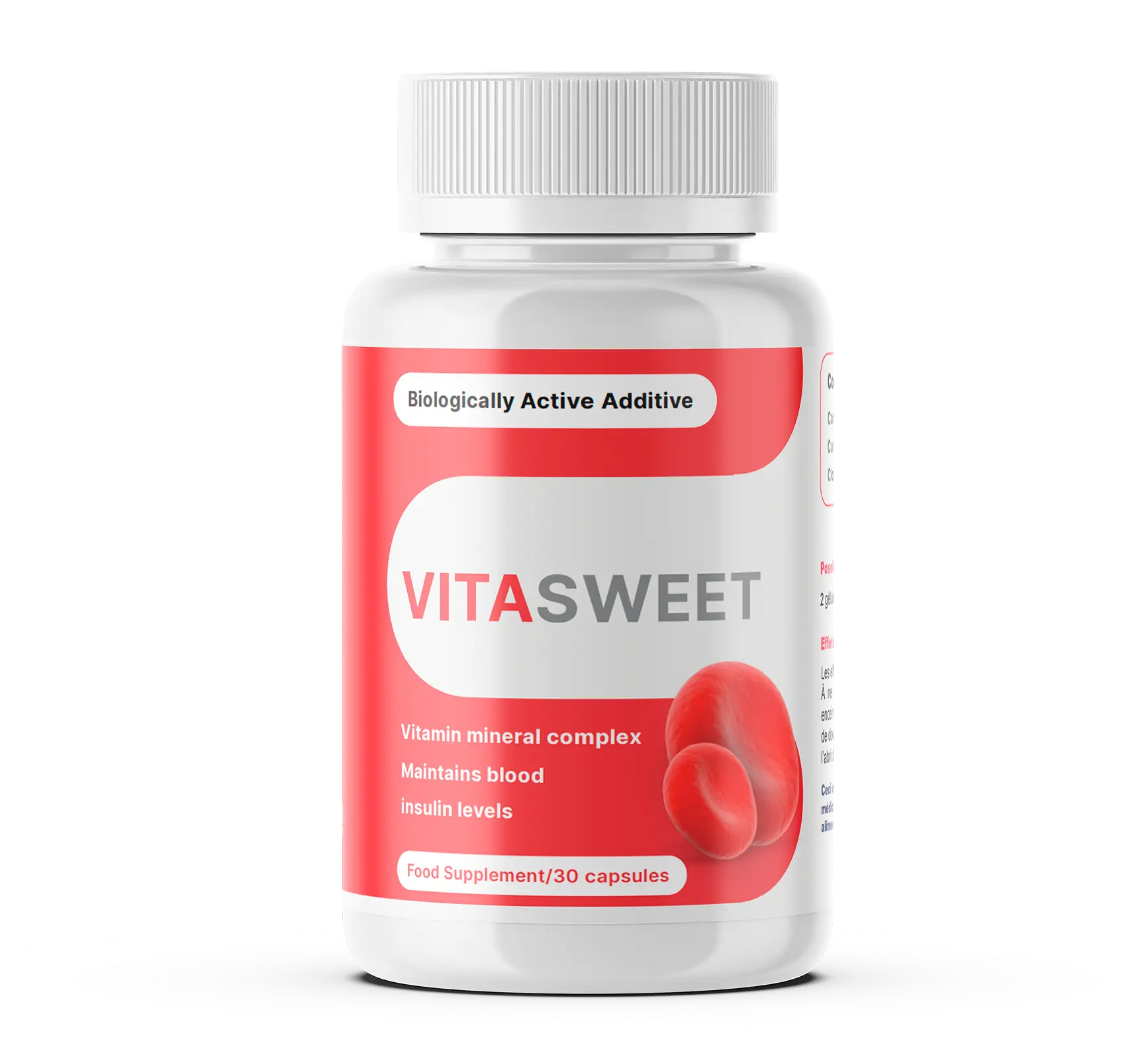
$21
/leadBust
Ivory Coast
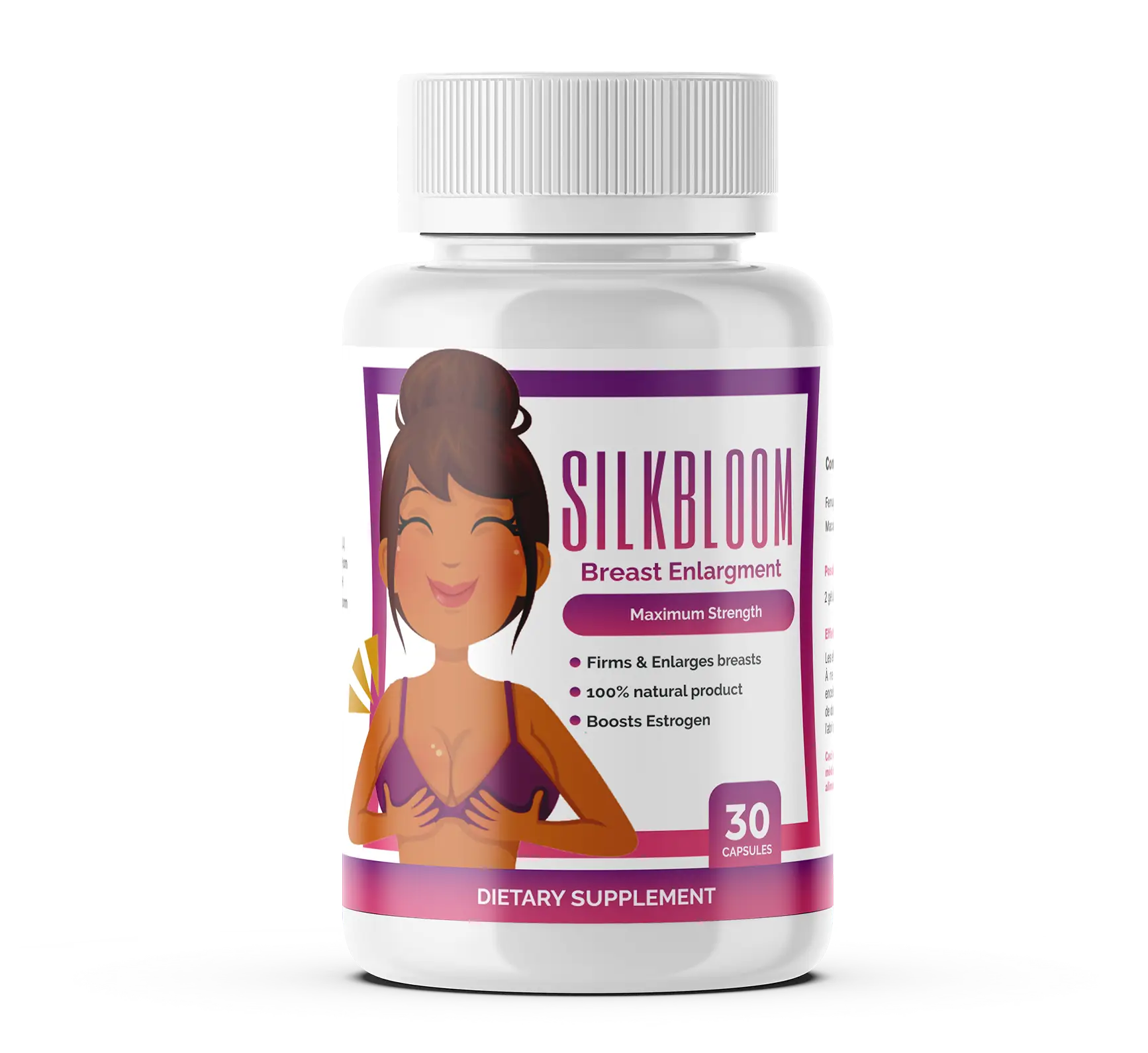
$19
/leadJoints
Morocco
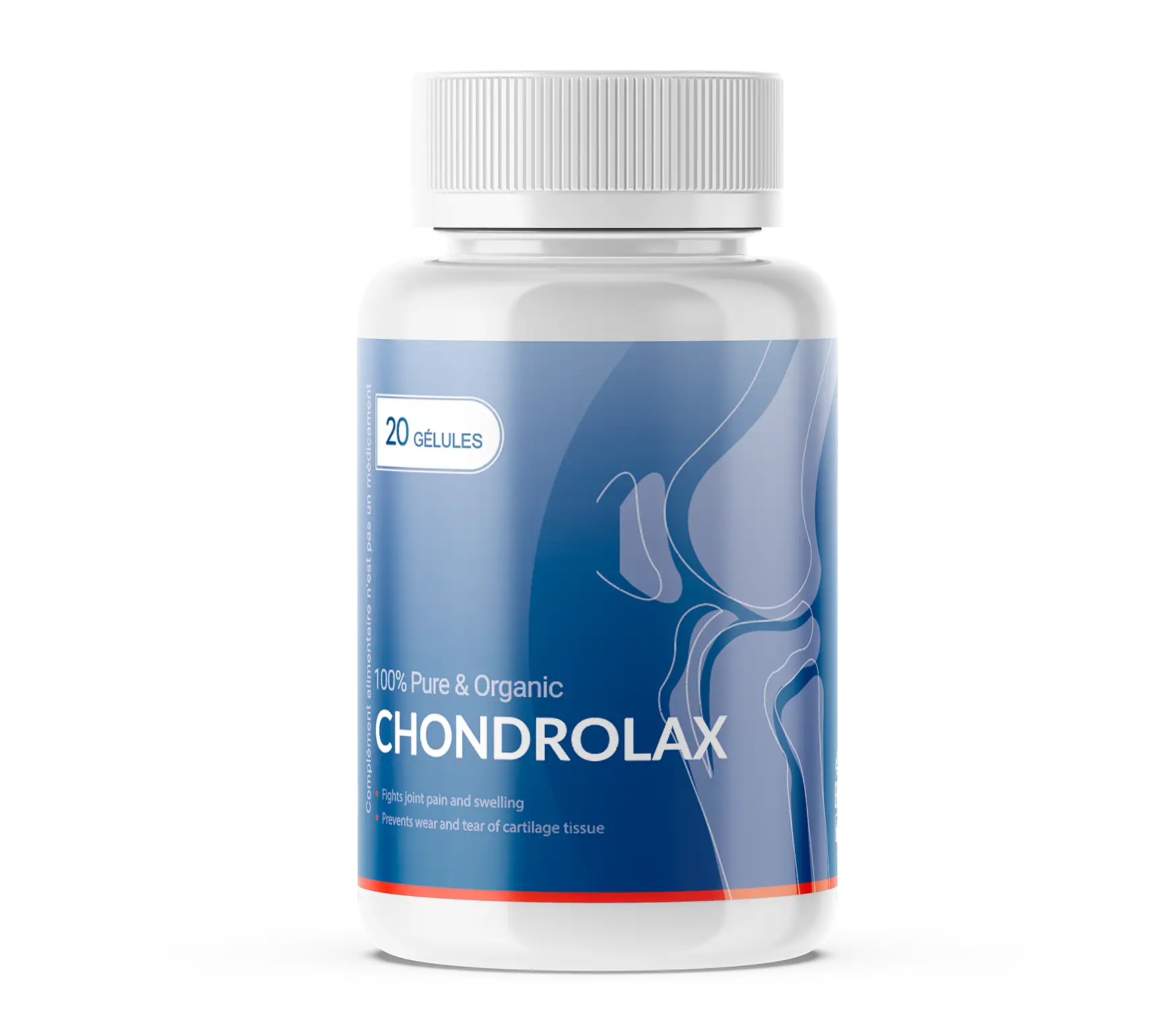
$18
/leadProstatitis
Pakistan
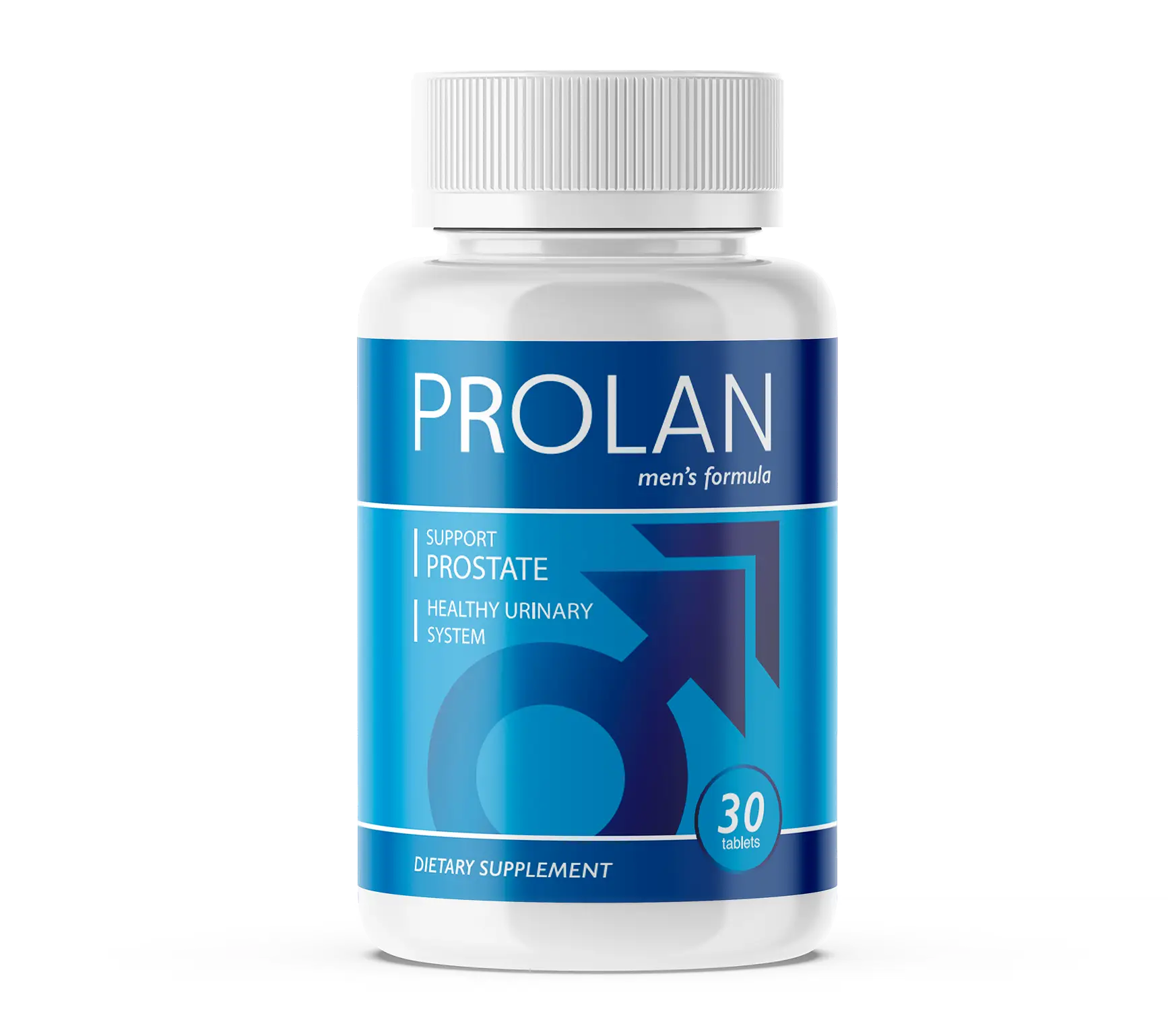
$11
/lead