We use cookies to personalize content and analyze traffic. We share information about your usage with our partners, who may combine it with other data.
Read more
INB Team
May 1, 2026


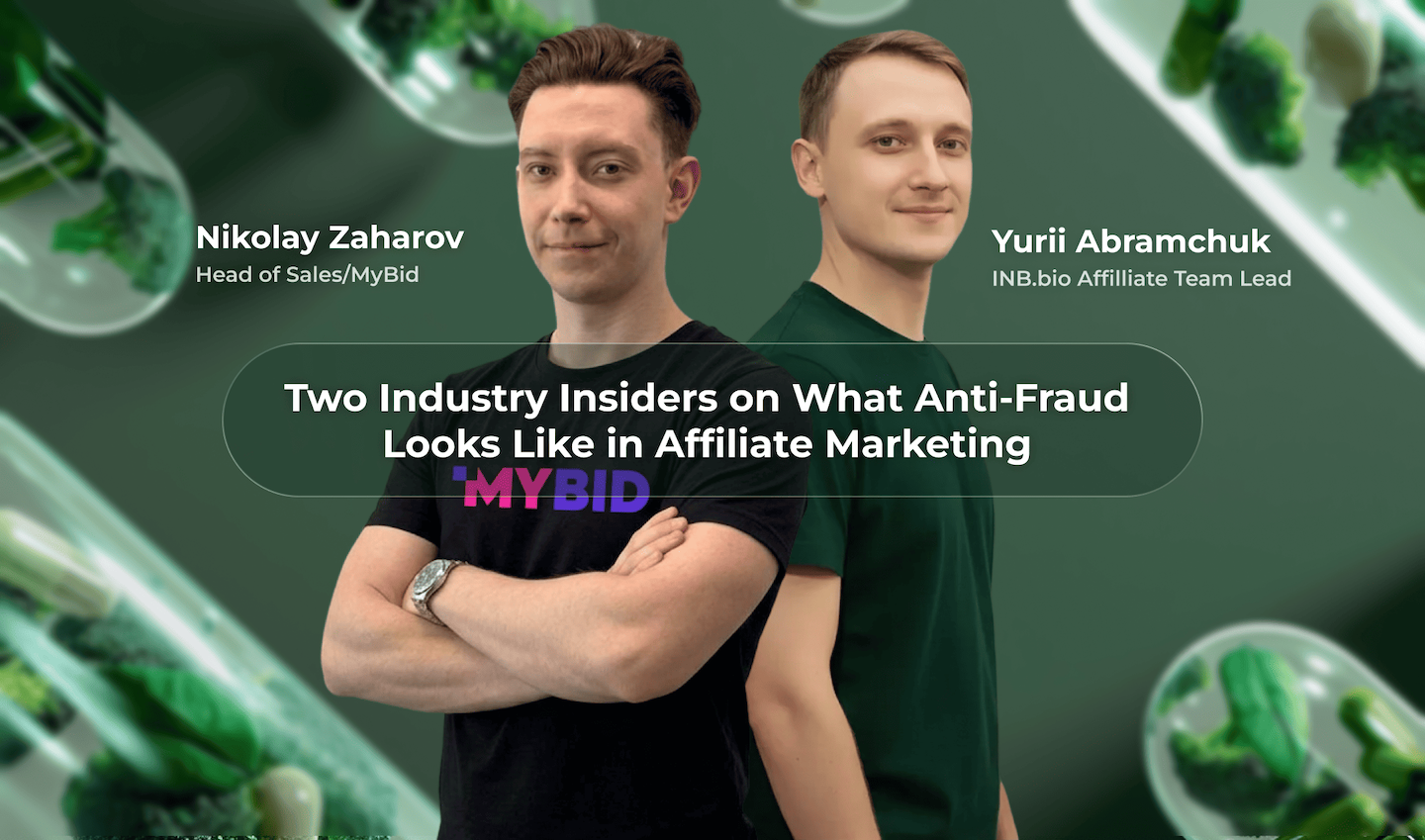
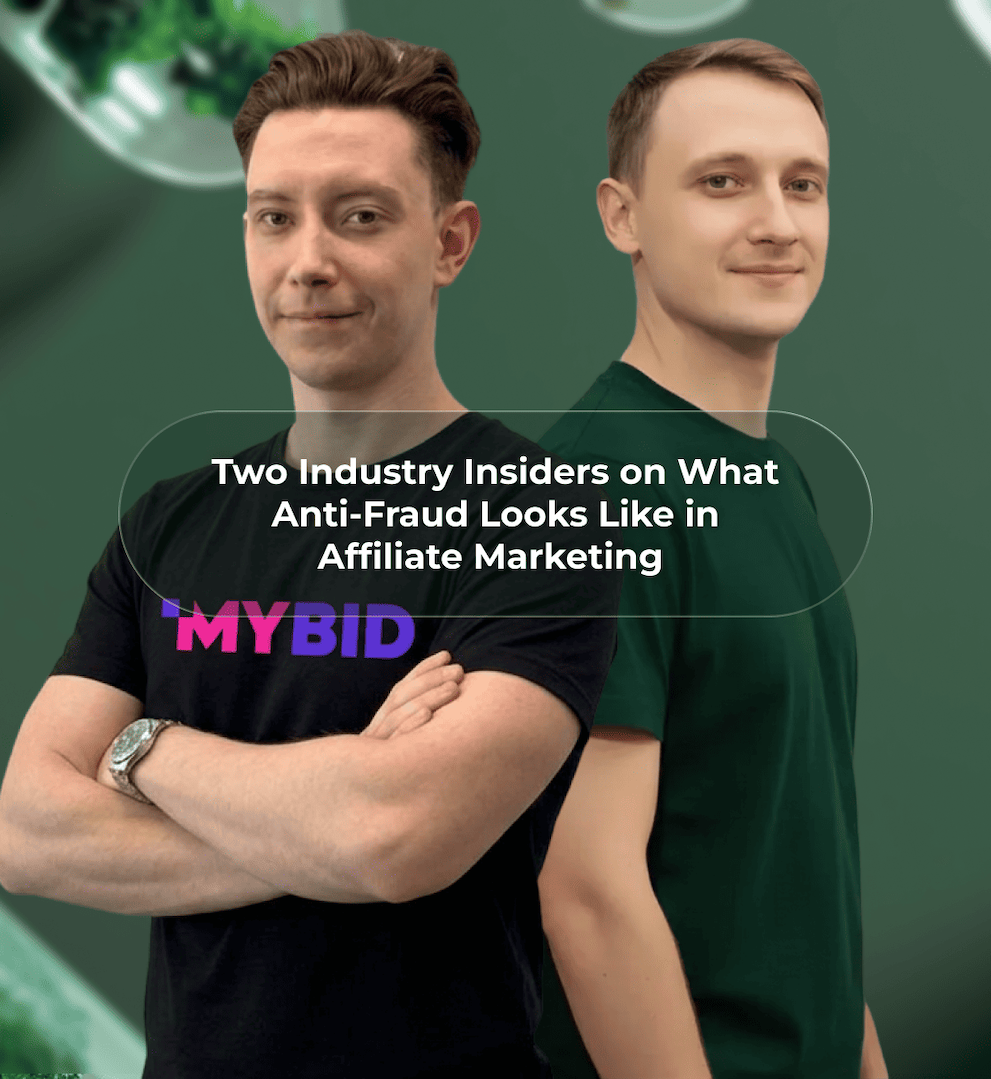
An interview with Nikolay Zaharov, Head of Sales at MyBid, and Yurii Abramchuk, Affiliate Team Lead at INB.bio.
Every ad network claims clean traffic. Every affiliate network claims it protects partners. The gap between what’s promised on a landing page and what actually happens downstream – that’s where this conversation really happens.
MyBid positions itself as a provider of 100% authentic, manually moderated, fraud‑free traffic. INB.bio receives that traffic and turns it into physical product orders, cash-on-delivery logistics in 15+ markets across Africa, Asia, and Latin America. We brought both sides together to talk about what they actually see.

Nikolay Zaharov, MyBid: In our industry, fraud has always been here, is here now, and will always be here. For some people, it’s a full-time income stream, not just mixing bad traffic into good, but a proper business built around it. The whole industry has started a global shift toward quality traffic, but fraud still happens. That’s exactly why it’s more important than ever to have your own fraud detection expertise.
Savvy publishers learn to work around popular anti-fraud solutions. It’s an endless race: there’s a system, and there are people who find ways around it. The system evolves, and so do they.
Yurii Abramchuk, INB.bio: I’d add a dimension that pure media buyers rarely see. At INB.bio, fraud has a physical price tag. A fake lead doesn’t disappear into a dashboard. It becomes a call center agent spending four minutes on a nonexistent customer, a package shipped to a bad address, a return that eats into margin. So for us the real question is “what is each fraudulent signal costing us per GEO.” That number is concrete and measurable. And it’s exactly what pushes us to build detection into our own operations.

Nikolay, MyBid: We take incoming traffic filtering seriously and run it through several stages. At the first level, two anti-fraud systems run simultaneously: one external, one our own. They complement each other because they’re built for different threat types, and together they cover practically all the main fraud patterns.
After that, based on a publisher’s test run, we look at what I’d call a snapshot of their traffic and assign them to a quality tier. Importantly, those tiers are built at the publisher level and then each advertiser is individually configured to work with specific tiers. That lets us match traffic to a specific campaign’s requirements much more precisely.
At the third level, we run the publisher’s traffic at our own expense and decide which vertical it actually works for. This is the most important filter, only after this do we pass traffic on to our advertisers. The system isn’t perfect and requires manual work, but we haven’t heard of anyone who’s fully automated this in our space.
Yurii, INB.bio: The downstream impact is what most people in this chain don’t have visibility into. At INB.bio, we do. When a click converts to a COD order, we track the whole chain: was the call answered, was the order confirmed, was it delivered, was it returned? A fraudulent click that makes it through doesn’t just drain an ad budget. It costs us call center time, agent capacity, packing, shipping, and often return logistics. That’s four or five real costs from one fake signal.
So on our side, we’ve built internal tracking that flags patterns upstream. If a traffic source is generating confirmed leads that suddenly stop converting at the delivery stage, that’s data worth sharing with the network. That feedback loop between physical fulfillment and traffic sourcing is something most purely digital operations don’t have.
Nikolay, MyBid: There’s automation for that, which I mentioned above. If a source stops meeting our definition of good traffic, the system automatically downgrades it, pulling sensitive demand away from that source. If the issue is conversion quality specifically, that’s more complicated. But that’s the next question.
Yurii, INB.bio: We see the conversion question differently. At INB.bio, we track performance per GEO, per product, per traffic source over time. If a source was converting at 23% in Morocco a few days ago and is now at 4%, that’s a signal worth investigating, but the cause could be the traffic, the product, the creative, the call center script, or a shift in market conditions. We don’t assume fraud first. We work through it methodically. The advantage of our model is that we control more of the stack: production, call centers, fulfillment. We can isolate variables that a pure media buyer can’t touch.

Nikolay, MyBid: Anyone who understands how our industry works knows that traffic conversion is never just one party’s problem, it belongs to both sides. Endlessly running the same source to confirm whether it converts is, honestly, a bit foolish from a business standpoint. We think this question sits more with the end consumer of the traffic than with the source, and here’s why: the advertiser controls the factors that actually drive conversions: creatives, pre-landers, the landing page itself, whether there’s a CTA, how complicated the user flow is.
That said, we don’t leave our advertisers to figure it out alone. Account managers personally review creatives and landing pages, recommend changes, walk the user path themselves to find bottlenecks. In short, we work through these cases together with partners who are willing to do that.
Yurii, INB.bio: The same logic applies to us. When a product underperforms in a new GEO, our first question is about the offer package. Is the price point right for that market? Is the call center script adapted for the local dialect? Is the creative speaking to what that audience actually wants?
This is exactly why INB.bio operates a turnkey model. We handle local production, call center setup, and market entry from end to end. When we launch in a new GEO, we’re building the entire ecosystem. That means when something doesn’t work, we can identify exactly what part of the chain failed. And when it does work, we can scale it fast. We’ve done this across 15+ markets. The playbook gets more efficient every time.
Nikolay, MyBid: I’m a realist. Fraud will always exist, I’m certain of it. But if I could change one thing, I’d document what fraud actually is and how to detect it. In our experience, roughly two-thirds of cases where we get fraud complaints turn out to be something else entirely: a drop in CR because the landing page layout broke, an abnormal CTR from the way a creative was worded, a low delivery rate from a multi-GEO campaign running on a single bid. The list goes on. A shared, unambiguous definition of fraud and a consistent way to detect it, would make things significantly simpler for both traffic suppliers and the people relying on them.
Yurii, INB.bio: What I’d change is harder to legislate than a new tool or a new tier system. Too often, “fraud” becomes the default explanation for any campaign that underperforms.
But in practice, we see more issues related to execution: fatigued creatives, weak pre- landers, or traffic that no longer aligns with the offer. Fraud is part of the ecosystem, but it’s rarely the only reason. The real skill is diagnosing the funnel correctly and identifying where performance is actually breaking.
At INB.bio we’ve learned to separate those two things. We operate in markets where a wrong assumption about a GEO costs real money quickly , a bad campaign in West Africa or Southeast Asia doesn’t just underperform, it generates returns, wasted logistics, and burned call center capacity. That sharpens your diagnostics quickly. You stop blaming traffic and start asking the right questions about the full chain.
Nikolay and Yurii agree on more than they disagree. Fraud won’t be solved. Detection will always require humans. And most complaints labeled “fraud” are something else entirely.
Where they diverge is instructive. MyBid sits at the supply end of the chain and sees fraud as a classification problem: traffic gets fingerprinted, tiered, tested, and filtered before it touches an advertiser. INB.bio sits at the fulfillment end and sees fraud as a cost problem, every bad signal that slips through has a line item attached to it.
That difference in vantage point is what makes the partnership between a network and an operator like INB.bio worth more than either could offer alone. One filters at the source, the other measures at the outcome. The feedback loop between them: real delivery data informing traffic quality decisions, is the kind of signal that no anti-fraud tool can produce on its own.
We operate across 15+ countries with low competition and exceptional profit potential. Our focus covers high-growth regions for scalable traffic and conversions.


3+ offers

22% app.

2+ offers
23% app.

15+ offers
24% app.

9+ offers
24% app.

8+ offers
23% app.

2+ offers
21% app.

1+ offers
16% app.

3+ offers
20% app.
Our product line is built for results: every offer is tested, localized, and ready to scale.

Prostatits

Tunisia
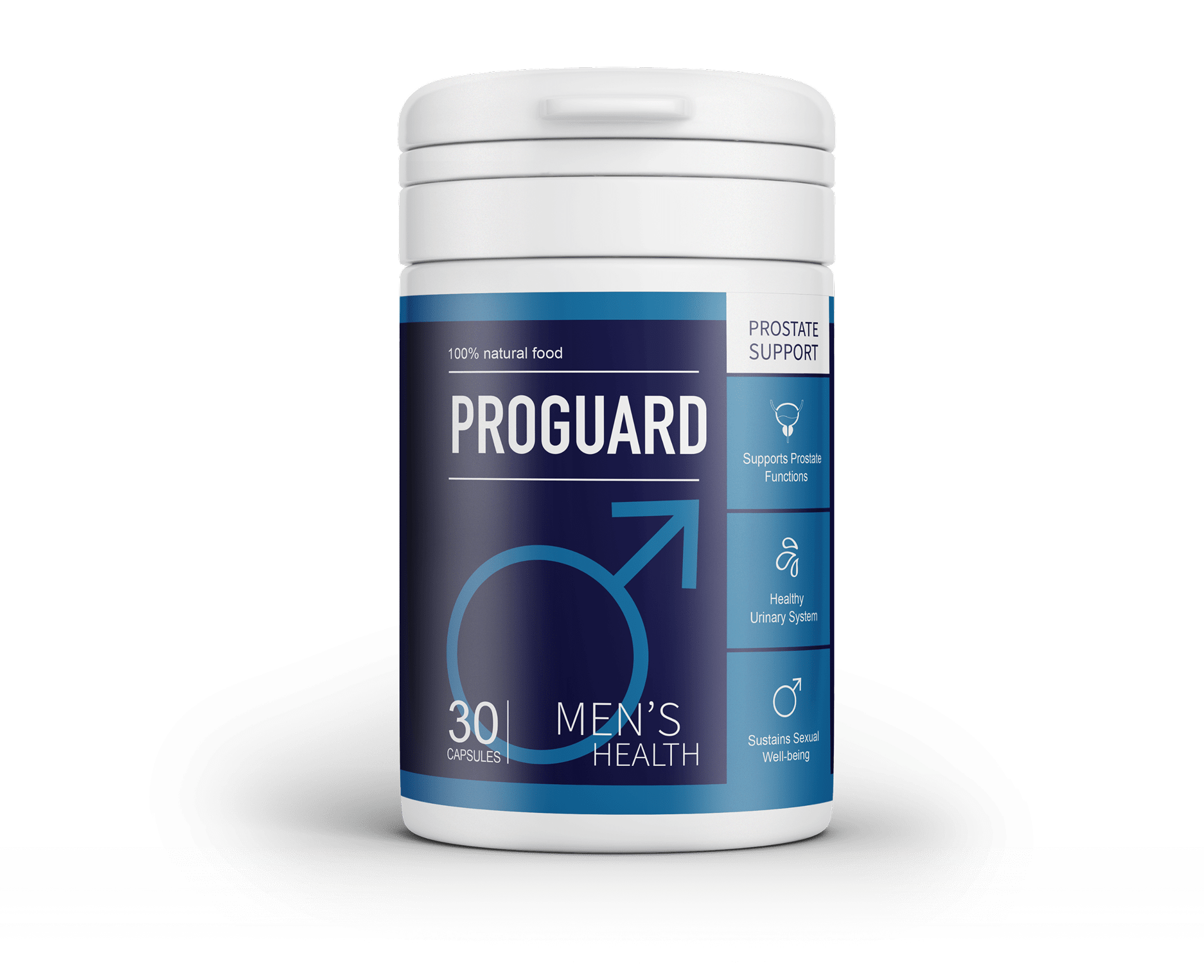
$17
/lead
Prostatitis
Pakistan
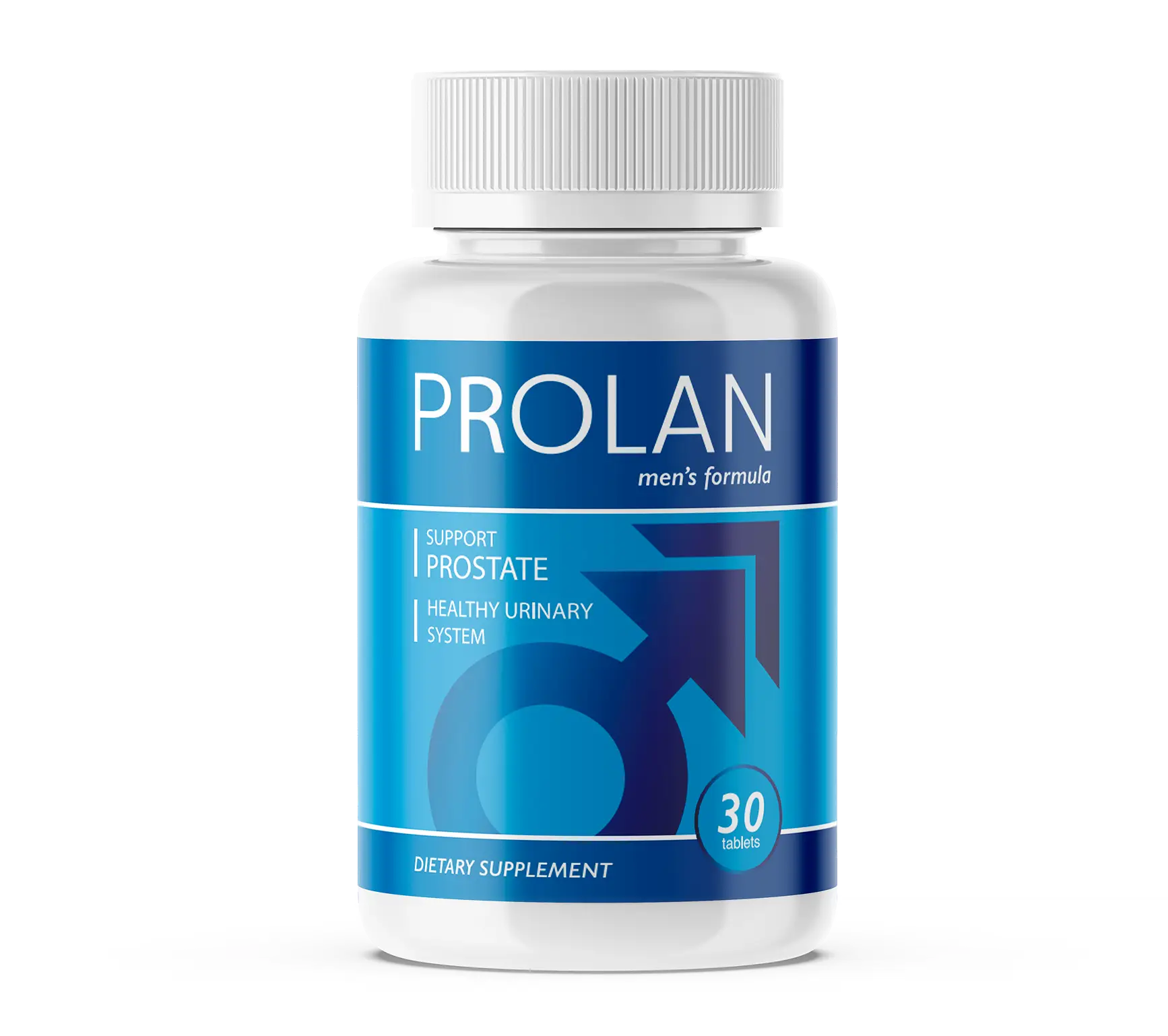
$11
/lead
Hair
Morocco
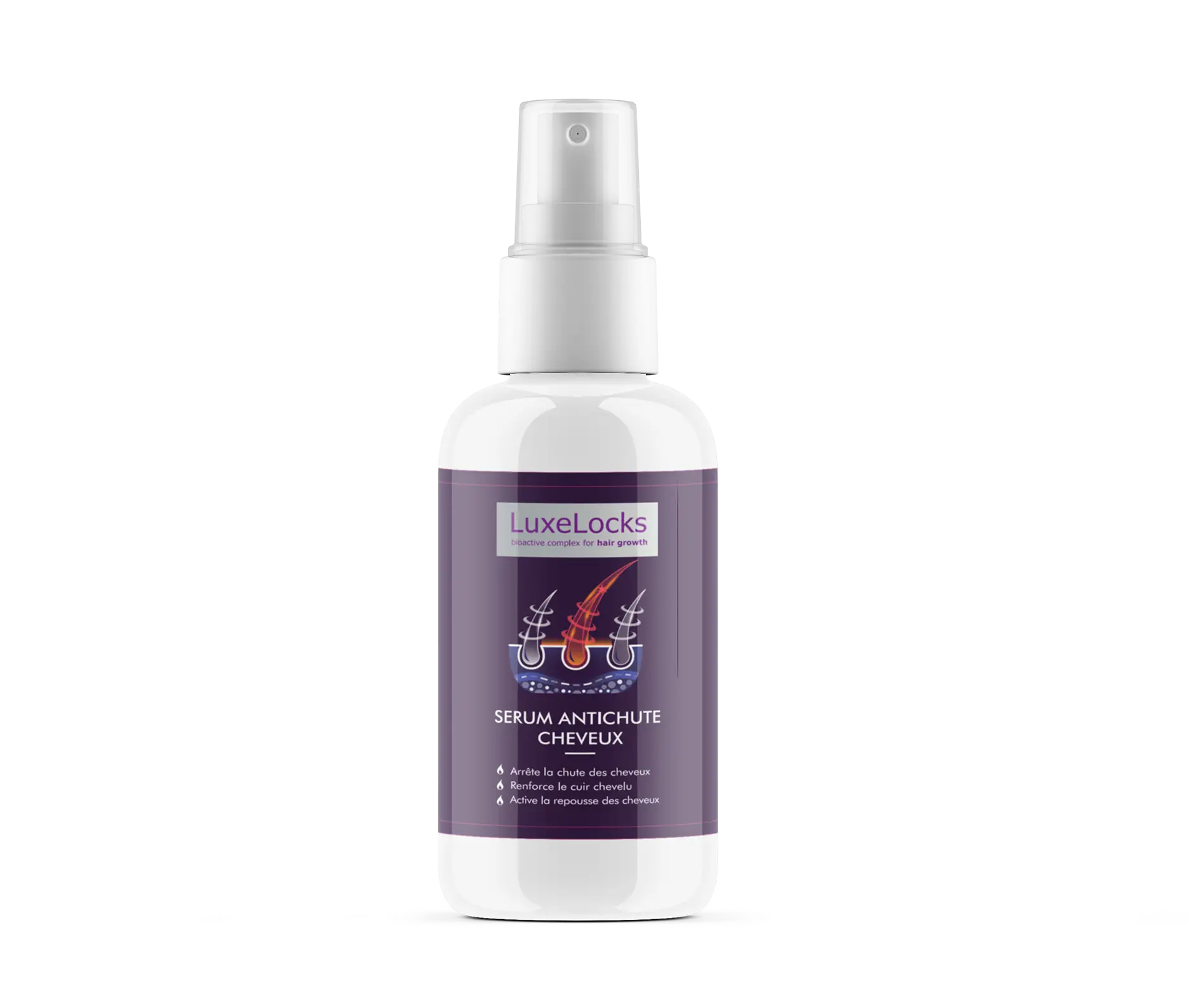
$18
/lead
Hearing
Morocco

$19
/lead
Joints
Pakistan

$11
/lead
Joints
Ivory Coast

$23
/lead
Prostatitis
Kenya
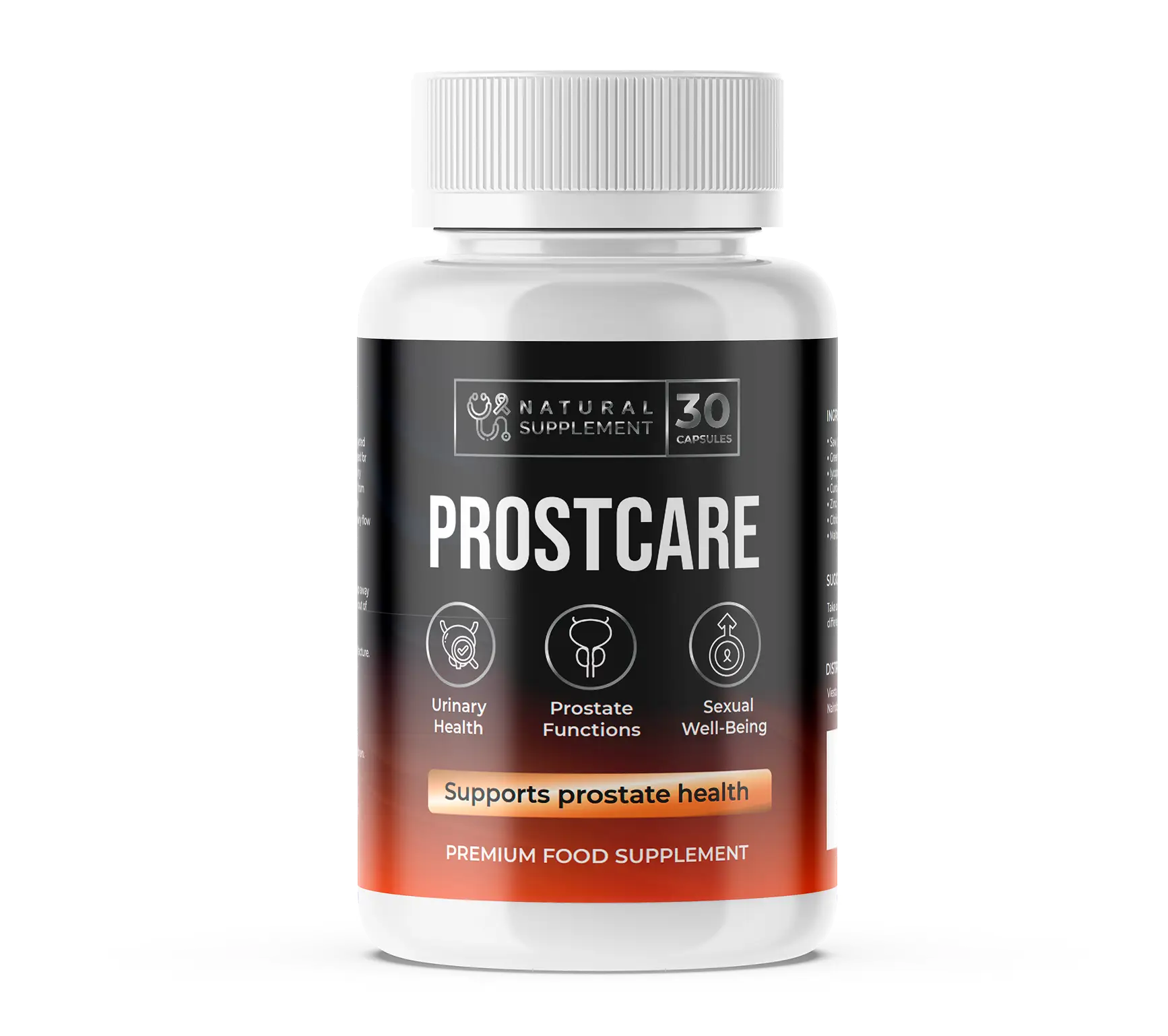
$16
/lead
Prostatitis
Tanzania
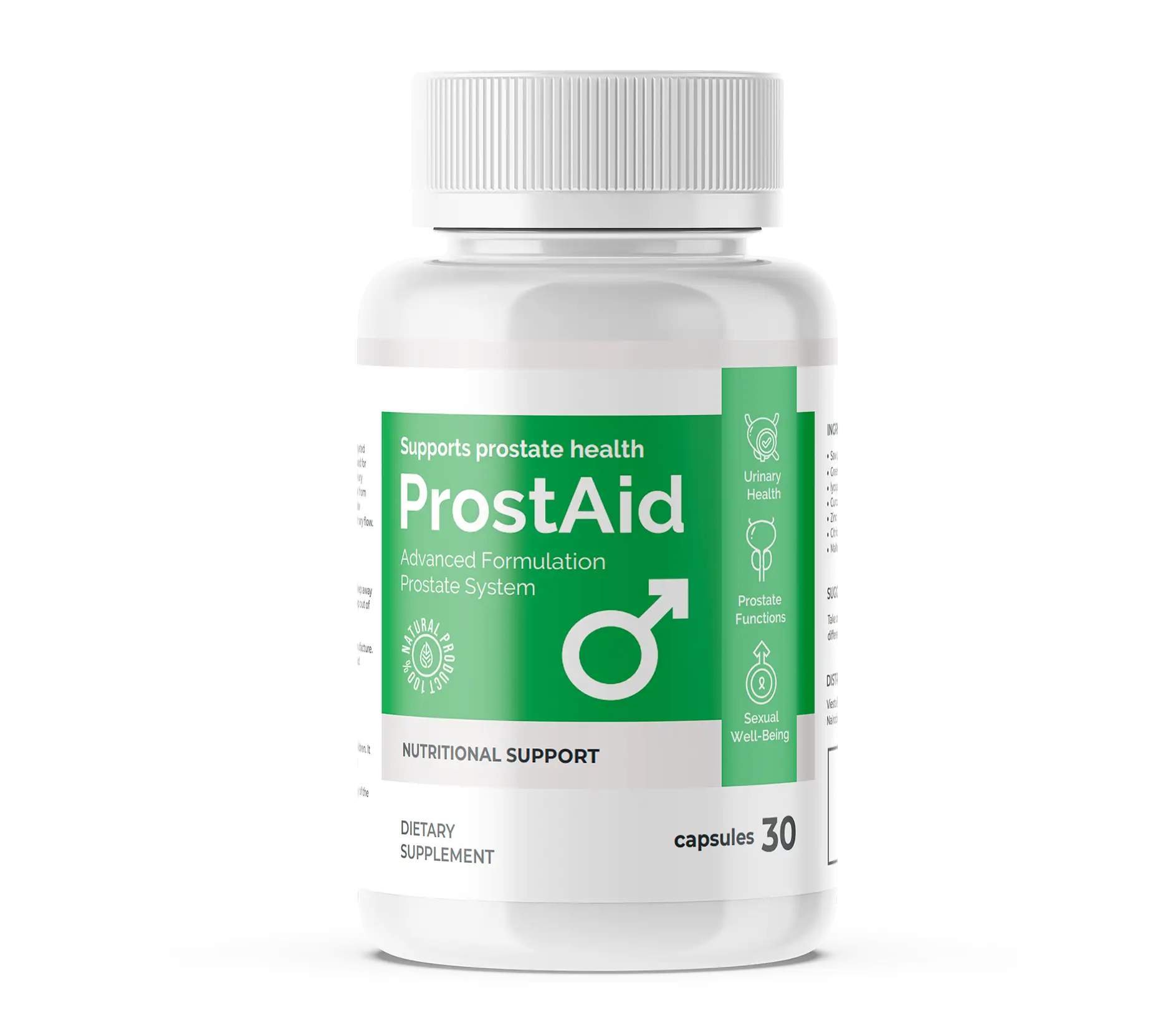
$15
/lead
Joints
Kenya

$18
/lead
Cardiology
Ivory Coast

$18
/lead
Varicose
Morocco

$21
/lead