We use cookies to personalize content and analyze traffic. We share information about your usage with our partners, who may combine it with other data.
Read more
INB Team
May 5, 2026


When your first test becomes profitable, it feels like the hardest part is already behind you: the funnel works, leads are coming in, and profit is growing.
Almost immediately, the next thought appears: it’s time to scale. You increase the budget, the campaign gets more traffic… but instead of higher profits, problems start to appear. CPA (Cost Per Acquisition) goes up, conversion drops, and the funnel that was delivering stable leads yesterday suddenly starts to decline.
The reason is simple: scaling is not just about increasing the budget. It is a step-by-step process where, at every stage, you need to understand what exactly worked and why.
In this article, you will find a simple step-by-step strategy from the INB.bio team that will help you scale an offer after your first profitable test without chaos or unnecessary costs.

Before talking about how to scale an offer, it is important to understand when you should do it.
One of the most common mistakes is scaling too early. A campaign generates a few leads, covers the costs, shows a small profit – and it feels like the funnel is already working. But in reality, it is still too early to draw conclusions.
At low traffic volumes, there is always statistical noise. Sometimes a few conversions happen purely by chance. If you increase the budget sharply at that point, you may find that the actual performance is much lower than it seemed.
There is another factor to consider – random spikes. Sometimes algorithms can deliver a short period of cheap conversions, but the next day the metrics return to normal.
That is why, before scaling, you should check a few things.
Once you see consistent profit and confirm that the funnel actually works, you can start scaling.
The first thing to do, and something many people forget – is to clearly define and lock in the working funnel.
When a campaign starts generating profit, most people think: “The offer works.” But in reality, it is not just the offer – it is a combination of several elements:
Each of these factors can significantly impact the result.
For example, sometimes it is not the offer itself that performs well, but a specific banner that resonates with the audience. In other cases, the key factor is the story in the preland or the timing of ad delivery. Change just one element – and the profitable funnel can start to decline.
That is why it is important to lock in your baseline model: which creatives worked, which audience responded best, and which landing delivered the highest conversion. This becomes your starting point for scaling.


The next logical step is to get more leads from the same funnel that is already performing well.
This is called vertical scaling. The idea is simple: you do not change the model itself – you gradually increase the traffic volume.
To do this, you can:
The key is to do it gradually.
Ad algorithms (for example, on Facebook or TikTok) optimize delivery based on past data: who to show ads to, who is more likely to click, who submits leads. When you sharply increase the budget, the algorithm is forced to find new users to spend that budget.
This means your ads start reaching a broader and less targeted audience. As a result, clicks become more expensive, and performance drops.
That is why scaling is usually done in small steps: increase the budget slightly, observe the results, let the campaign stabilize – and only then move forward.
🌿 Also read: “Seasonality in Nutra: When and in Which GEOs Products Deliver Maximum Conversion.”

Once your base funnel shows stable results, the next step is horizontal scaling. The idea here is different: instead of just increasing the budget, you add new variations within the funnel.
For example, you can launch new creatives, test different audiences, or create another preland using the same angle.
The logic is simple: instead of pouring more budget into one campaign, you create multiple versions of the funnel that can run in parallel.
“If a funnel works, I don’t just multiply the budget. First, I create 5–10 more creatives with the same angle. Very often, new creatives perform better than simply increasing the budget,” shares one of INB.bio partners.
And in practice, this is often exactly how it works. One strong creative can launch a campaign, but several new variations allow you to scale it much more consistently.
In practice, scaling almost always happens within a single traffic source.
If a funnel performs well on Facebook, media buyers usually don’t rush to test other platforms right away. Instead, they try to get the most out of what is already working: launching new accounts, duplicating campaigns, or expanding audiences.
This approach allows for much more stable scaling. You already understand the platform’s algorithms, know how the audience behaves, and can react faster to changes in performance.
“You can, of course, add new traffic sources. But in practice, almost no one does it right away. Managing ad accounts across different platforms requires more experience. So if a media buyer works well with Facebook, for example, they are more likely to scale there rather than immediately start running traffic from Google or other sources,” explains INB.bio affiliate manager Saba Skhulukhia.
That’s why most affiliates scale what they already know and can control well. This significantly reduces risks and allows for steady traffic growth.

When a campaign starts scaling, a common issue appears – creatives begin to “burn out.”
The audience sees the same ads repeatedly, engagement drops, clicks decrease. As a result, CTR falls, CPA starts rising, and conversion declines. In marketing, this is called “ad fatigue.”
That’s why during scaling it’s important not only to increase traffic but also to continuously refresh your ads: test new visuals, copy, angles, or formats. Sometimes even a small change – a different image or headline – can significantly improve performance.
To make it easier to navigate, here’s a quick cheat sheet:
| Problem | What it means | What to do |
| CTR drops | The audience stops responding to the ad | Launch new creatives or change the format |
| CPA increases | The algorithm starts targeting less relevant users | Add new creatives or test a different angle |
| Conversion drops | The creative sets expectations not supported by the landing | Update copy or test a different preland |
| Frequency increases | Ads are shown too often to the same users | Expand the audience or add new creatives |
Scaling is not only about increasing traffic volume. Often, additional profit comes from funnel optimization.
In other words, you can improve results not only by getting more clicks, but by converting more users from the traffic you already have.
To do that, optimize several key elements:
At smaller volumes, these changes may seem minor. But at scale, even a +1–2% increase in conversion can significantly boost profit.
🌿 Also read: “How to Check Traffic Quality in Nutra.”
When a campaign starts scaling, metrics almost always change. More traffic means more fluctuations – and that’s normal. What matters is spotting the moment when these changes start “eating” your profit.
During scaling, you should regularly monitor several key metrics:
| Metric | What it shows | Why it matters |
| CPA (Cost Per Acquisition) | Cost per lead | If CPA increases, profitability quickly drops |
| ROI | Overall campaign profitability | Helps you understand if scaling is still profitable |
| CR | Landing page conversion rate | A drop may signal issues with creatives or funnel |
| Frequency | How often one person sees your ad | High frequency often means audience fatigue |
If one or more metrics start to decline, it’s better to pause scaling temporarily, analyze the cause, and optimize the campaign. This approach helps you control growth and avoid losing profit as traffic volume increases.
The first profitable test shows that your funnel has potential. But real money in affiliate marketing comes from proper scaling.
Gradual budget increases, new creatives, funnel optimization, and metric control – this is how a small profit turns into stable volume.
If you’re looking for offers that can scale to real volumes, join INB.bio. We work across dozens of GEOs, have our own production, and help partners find funnels that grow вместе with their traffic.

A campaign is ready to scale when it shows stable performance over several days and has enough data. CPA should remain consistent, and profit should not depend on random conversions. If the funnel performs steadily at the current budget, you can start increasing traffic gradually.
In most cases, budgets are increased gradually – in small steps. A sharp increase can force ad platform algorithms to search for new audiences, which often leads to higher CPA. That’s why scaling should be done step by step, monitoring metric changes.
If CPA starts rising, pause scaling and analyze the campaign. The issue could be creative fatigue, audience saturation, or changes in ad algorithms. In such cases, launching new creatives, testing different audiences, or optimizing the landing page often helps.
Not necessarily. In most cases, scaling starts within the traffic source that already performs well. Each platform has its own algorithms, formats, and rules. That’s why media buyers usually first try to maximize results within a familiar source. For example, if a funnel works on Facebook, it makes more sense to scale there first: launch new accounts, duplicate campaigns, or test new audiences. Only after that should you consider testing other traffic sources.
There is no exact number, but creatives need to be refreshed regularly during scaling. One successful creative may work well at the start, but over time the audience stops responding to it. That’s why most media buyers continuously test new variations to maintain stable CTR and control CPA.
We operate across 15+ countries with low competition and exceptional profit potential. Our focus covers high-growth regions for scalable traffic and conversions.


3+ offers

22% app.

2+ offers
23% app.

15+ offers
24% app.

9+ offers
24% app.

8+ offers
23% app.

2+ offers
21% app.

1+ offers
16% app.

3+ offers
20% app.
Our product line is built for results: every offer is tested, localized, and ready to scale.

Prostatitis

Ivory Coast
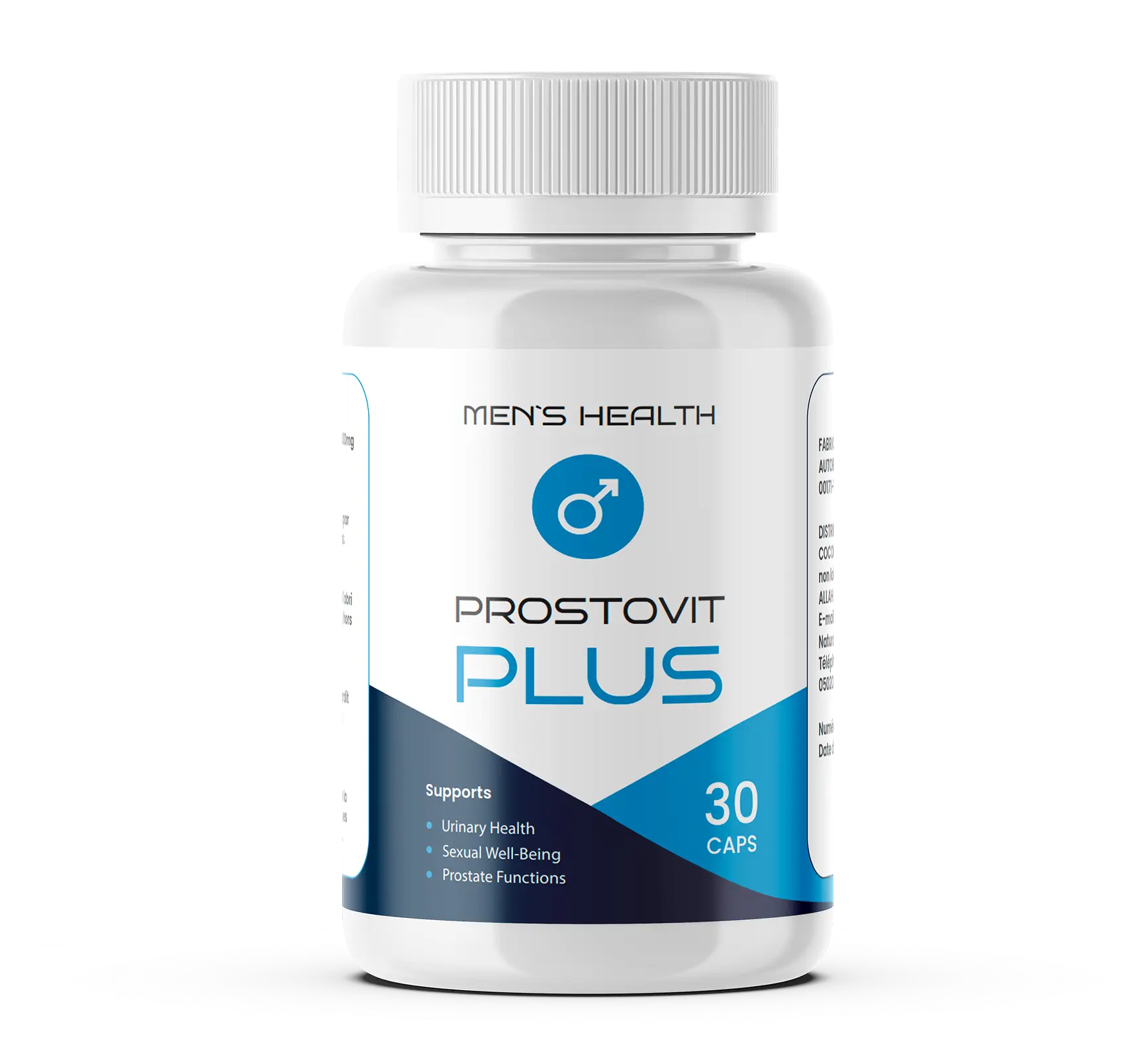
$19
/lead
Hearing
Ivory Coast

$17
/lead
Parasites
Ivory Coast

$18
/lead
Weight loss
Morocco

$18
/lead
Joints
Ivory Coast

$21
/lead
Joints
Ivory Coast

$23
/lead
Hair
Morocco
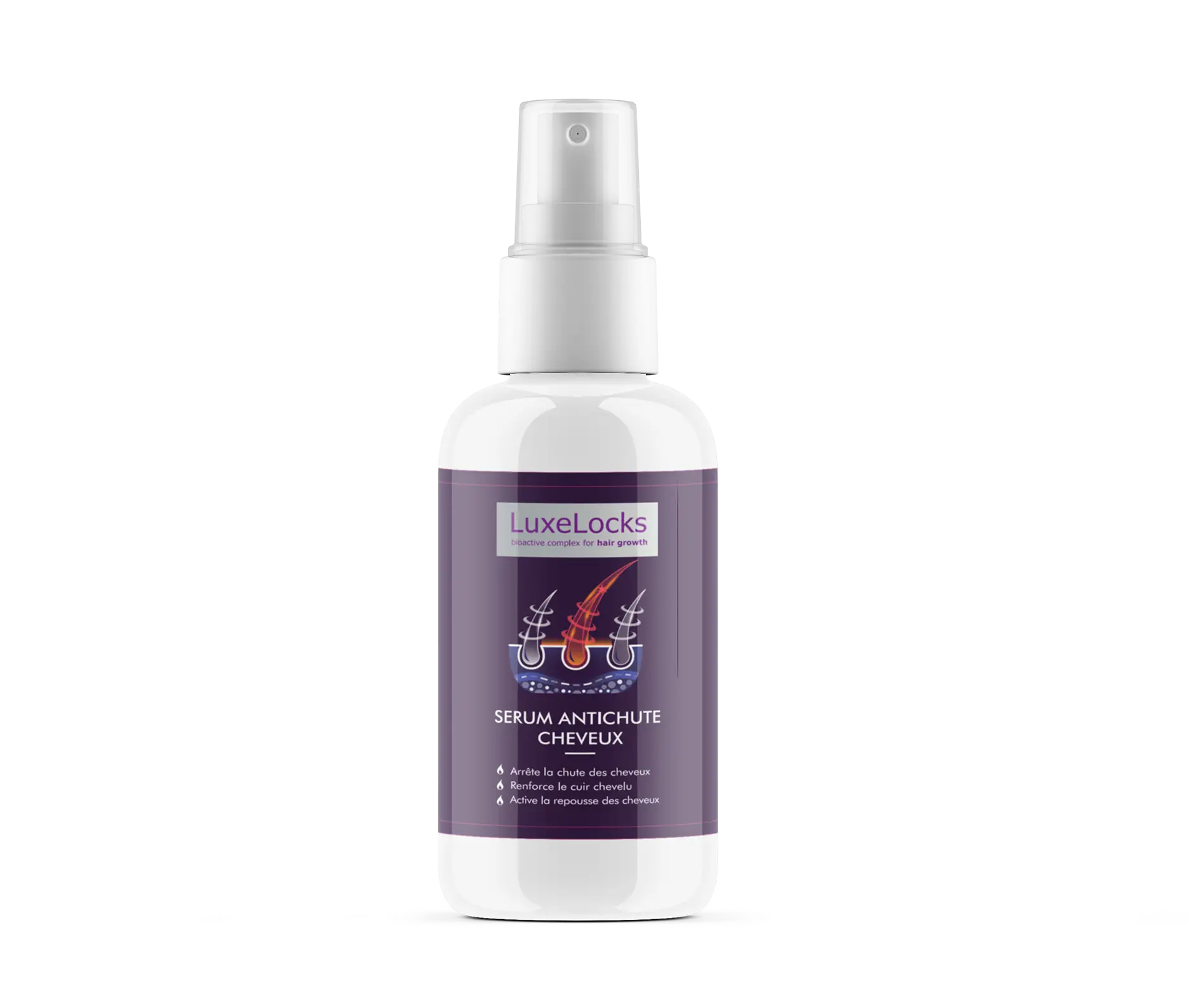
$18
/lead
Joints
Morocco
$18
/lead
Prostatitis
Pakistan
$11
/lead
Vision
Ivory Coast
$18
/lead
Prostatitis
Morocco

$20
/lead