Cookies Logo

This website uses cookies

We use cookies to personalize content, improve site performance, and analyze traffic. We also share information about your site usage with our advertising and analytics partners. They may combine it with other data you have provided or that they have collected from your use of their services.

Customize

Cookie Details

Necessary - provide basic functionality of the site, such as navigation and access to protected sections. Without these files, the website cannot function properly.

Preferences - allow the website to remember your preferences, such as language or region.

Statistics - help us analyze how your site usage by collecting anonymous data.

Marketing - used to track user activity and display relevant advertisements.

More details

Cookies are small text files used by websites to improve your user experience. The law allows us to store cookies on your device if they are strictly necessary for the site's operation. For all other types of cookies, we need your consent. This means that:

  • Necessary cookies are processed based on Art. 6(1)(f) GDPR.
  • Other cookies (preferences, statistics, and marketing) are processed based on Art. 6(1)(a) GDPR.

This site uses different types of cookies. Some of them may be placed by third-party services.

You can change or withdraw your consent at any time in the settings.

Find out more about how we process personal data in our Privacy Policy.

Decline
Accept
Accept All

Osteoguard in Kenya:
an Offer for People Who
Are “Always on Their Feet”

In Kenya, many people aged 50+ have spent their whole lives doing physical work: market trading, driving, delivery jobs, construction, or manual labor. That is why knee pain and back discomfort during movement are some of the most relatable problems for the local audience.
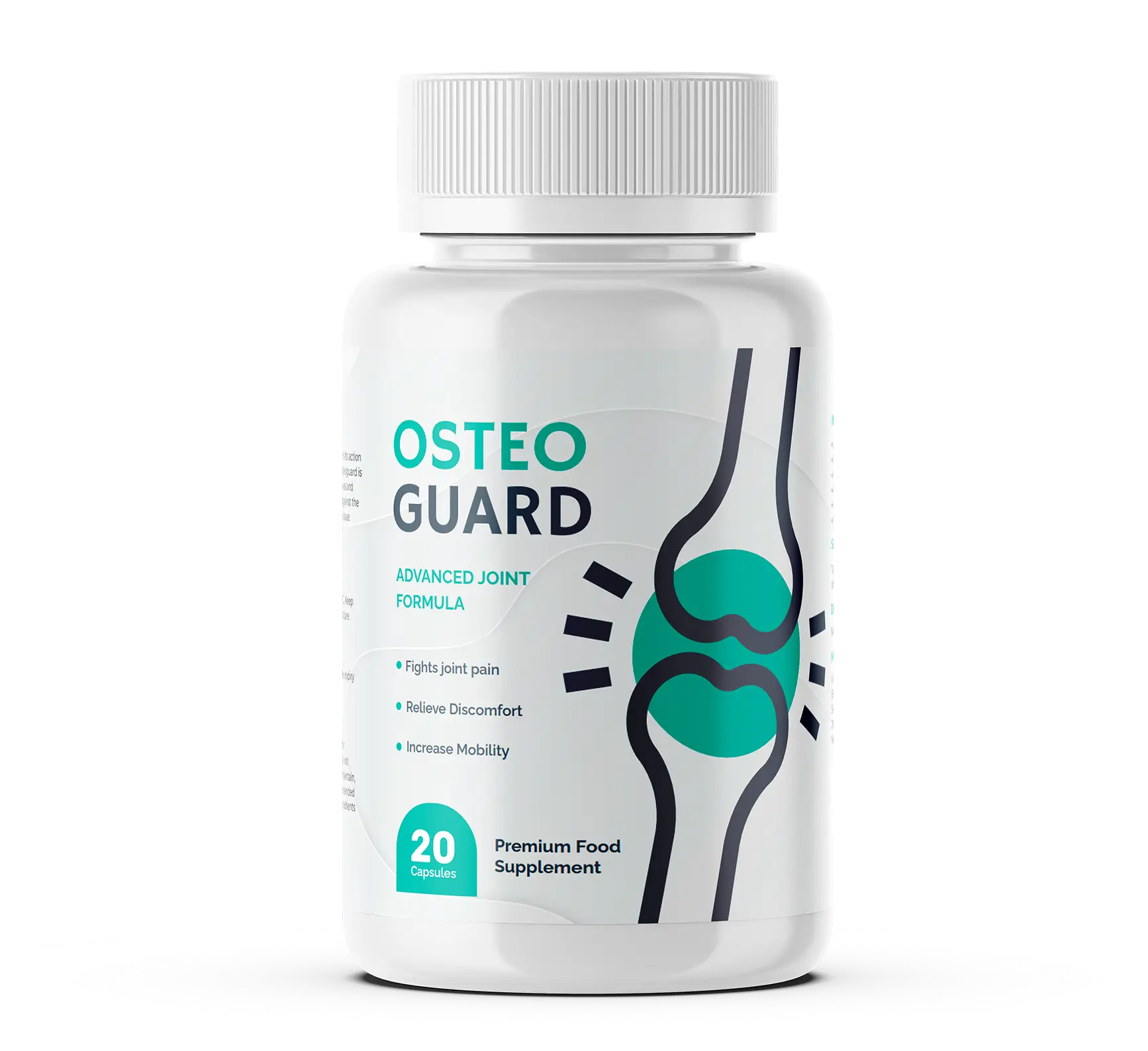
Image of product
Dollar icon

$18 payout

Wallet icon

Price: 4,999 KES (~$39)

Code icon

CPA model

Bookmark icon

14%+ approval rate

Earth icon

Kenya

What Is Osteoguard and Who Is It For

Image with product

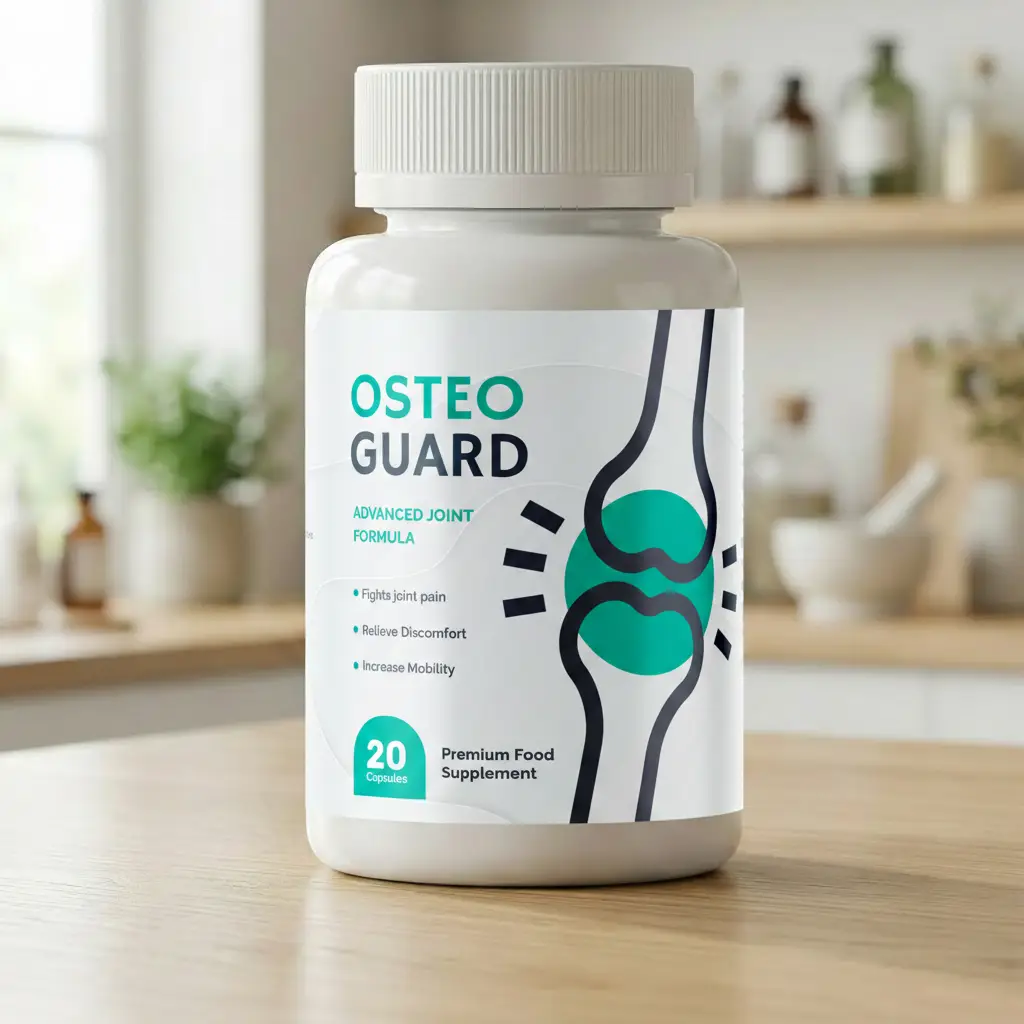
Osteoguard is a joint support capsule formula based on curcumin, devil’s claw, cinnamon, and rosemary. The product is used by people who complain about knee discomfort, stiffness, or joint fatigue after physical activity.

In Kenya, this category works not because of a “health trend,” but because of a real everyday problem. People want to move normally, work comfortably, and avoid constant discomfort during daily activities. That is why simple life situations perform best in creatives: struggling to get up in the morning, knee pain after work, or having to reduce activity because of joint discomfort.

Another strong advantage is the natural formula. In Kenya, people trust plant-based ingredients much more than “chemical formulas.” Turmeric, cinnamon, and rosemary are associated with natural body support rather than aggressive pharmaceutical products.

The recommended usage is twice daily – once in the morning and once at night.

Card icon

Who This Offer Fits

  • People aged 50+ with joint discomfort
  • Audiences experiencing knee pain or stiffness
  • People doing physically demanding work
  • Residents of Nairobi, Mombasa, Nakuru, and Kisumu
  • Facebook users aged 50+
  • Audiences that trust natural ingredients
  • Buyers who prefer COD payments
icon

What INB.bio Provides

  • An offer adapted for the Kenyan audience – simple messaging, a relatable problem, and a natural formula.
  • Local call center – operators communicate in English and Swahili without complicated terminology or pressure.
  • Creatives adapted to local perception – focused on everyday situations instead of fear-based advertising or “healed in 3 days” stories.
  • Ready infrastructure – COD and 1–7 day delivery across Kenya.
  • Twice-a-week payouts – $18 for every confirmed order.

Why Osteoguard Works in Kenya

In Kenya, audiences respond well to joint support products because the problem is extremely common among people aged 50+. Many continue doing physical work even later in life, so mobility directly affects their daily routine and income. Another important point – Kenyan audiences trust “human-style” advertising much more than staged medical commercials. A simple video where a person of their age talks about knee pain or fatigue after work often performs better than expensive production.

Card icon

Market in Numbers

  • 57.5 million population
  • Facebook is the main traffic source for the 50+ audience
  • 90%+ of buyers choose COD
  • Main cities: Nairobi, Mombasa, Nakuru, Kisumu
  • Main languages: English and Swahili
Card icon

What Converts in This Category

  • Knee pain after work
  • Joint stiffness
  • Discomfort while walking
  • Real people aged 50+
  • Natural ingredients
  • Calm and simple messaging

Ready
to Launch Osteoguard?

Image of product

$18 per confirmed order and a category that remains popular regardless of season.

Need a consultation?

Leave your contact details and get a quick response

This is important field

This is important field

This is important field

The email address must contain the “@” symbol

0/300

This is important field

Thank you! Your submission has been received!
Oops! Something went wrong while submitting the form.

FAQs

Why do joint support products perform well in Kenya?

Spollers Indicator
In Kenya, many people continue working physically even after the age of 50. Because of this, knee pain, back discomfort, and stiffness are very familiar problems for the audience. That is why joint support offers easily connect with people through relatable everyday situations.

What creatives work best for Osteoguard?

Spollers Indicator
Real-life situations work best: someone complaining about knee pain after work, struggling to get up in the morning, or feeling discomfort while walking. In Kenya, audiences respond much better to simple and human-style advertising than to “medical” videos.

Why is the natural formula important for the Kenyan audience?

Spollers Indicator
People in Kenya pay close attention to product ingredients and trust natural components much more. Turmeric, cinnamon, rosemary, and plant-based ingredients are generally associated with safer body support than complicated pharmaceutical formulas.

Which language works best for advertising in Kenya?

Spollers Indicator
Simple English with a warm and clear tone performs best. Swahili also works well for part of the audience. It is important to avoid complicated terminology and overly “clinical” messaging – people respond much better to simple human explanations.

What most often lowers conversion in the joint support category?

Spollers Indicator
Fake photos, exaggerated promises, and overly “sterile” advertising. If a creative looks unnatural or too staged, people quickly lose trust. In Kenya, real people, simple messaging, and calm communication styles work much better.