Close cookies popup icon
Cookies Logo
We use cookies

We use cookies to personalize content and analyze traffic. We share information about your usage with our partners, who may combine it with other data.

Read more

Cookie Details

Necessary – provide basic functionality of the site, such as navigation and access to protected sections. Without these files, the website cannot function properly.

Preferences – allow the website to remember your preferences, such as language or region.

Statistics – help us analyze how your site usage by collecting anonymous data.

Marketing – used to track user activity and display relevant advertisements.

Back

More details

Cookies are small text files used by websites to improve your user experience. The law allows us to store cookies on your device if they are strictly necessary for the site's operation. For all other types of cookies, we need your consent. This means that:

  • Necessary cookies are processed based on Art. 6(1)(f) GDPR.
  • Other cookies (preferences, statistics, and marketing) are processed based on Art. 6(1)(a) GDPR.

This site uses different types of cookies. Some of them may be placed by third-party services.

You can change or withdraw your consent at any time in the settings.

Find out more about how we process personal data in our Privacy Policy.

Decline
Accept
Accept All

Customize

Kenya – a market where $50 can outperform $500 in Tier-1

A fast-growing nutra market where a $50 budget can potentially deliver a 10x return. With a 20–25% approval rate and fast delivery across Kenya, this GEO is ready to scale

Kenya market overview

57.5M

population, median age – 20

27.4M

internet users (48%)

90%

of buyers choose Cash on Delivery (COD)

Overview icon

Major cities

Nairobi, Mombasa, Nakuru, Kisumu

Overview icon

Online market

Consumers are increasingly shifting towards D2C, while trust in nutra brands continues to grow.

Overview icon

Regulation

Pharmacy & Poisons Board (PPB) and Kenya Bureau of Standards (KEBS)

Why Kenya?

Cityscape

Growing middle class

Urban consumers are actively shopping online.

Mobile shopping boom

9 out of 10 transactions are made via M-Pesa.

Growing focus on prevention

Interest in preventive supplements has increased since COVID.

The D2C segment is still underserved

Low competition.

Stable 20–25% approval rate

More predictable results from launch.

INB.bio customer profile

Kenya has a young population overall (median age ≈20), but older consumers are the ones who consistently buy health support products

Age

55–57 years old (depending on the product)

Locations

Nairobi, Mombasa, Nakuru, Kisumu

Income

€450–850 per month

Languages

English, Swahili

Payment

COD / M-Pesa (94% of orders)

Purchase decision

recommendations from friends and family / positive reviews

Brain icon

Psychographics

They care about their health and value natural products and safe ingredients. They trust reviews from real people. Values: longevity, quality of life, and caring for their family.

Alert sign icon

Barriers to purchase

  • Lack of trust in online prepayments
  • Counterfeit products and unfamiliar brands
  • High pharmacy markups
  • Lack of clear instructions and customer support
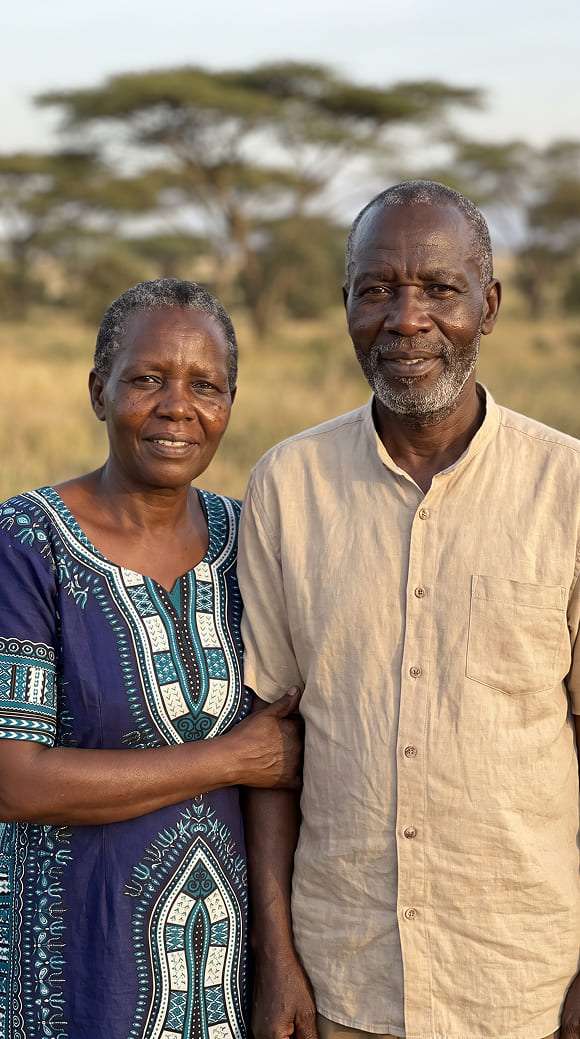
Two people—a man and a woman—are standing, arm in arm

Limited spots available for new partners!

Only 3 out of 15 spots are currently available

What works best in Kenya

Best icon

Prostate health

Core audience: men aged 55–60+

Men

almost the entire audience

Women

not the target audience

Alert sign icon

Main pain points

Frequent waking at night, discomfort, urination problems, and reluctance to see a specialist due to embarrassment or fear.

Best icon

Joints

Core audience: 50+

Gender

men and women

Alert sign icon

Main pain points

knee pain, stiffness, discomfort while walking and after physical activity.
Top INB.bio offers in Kenya

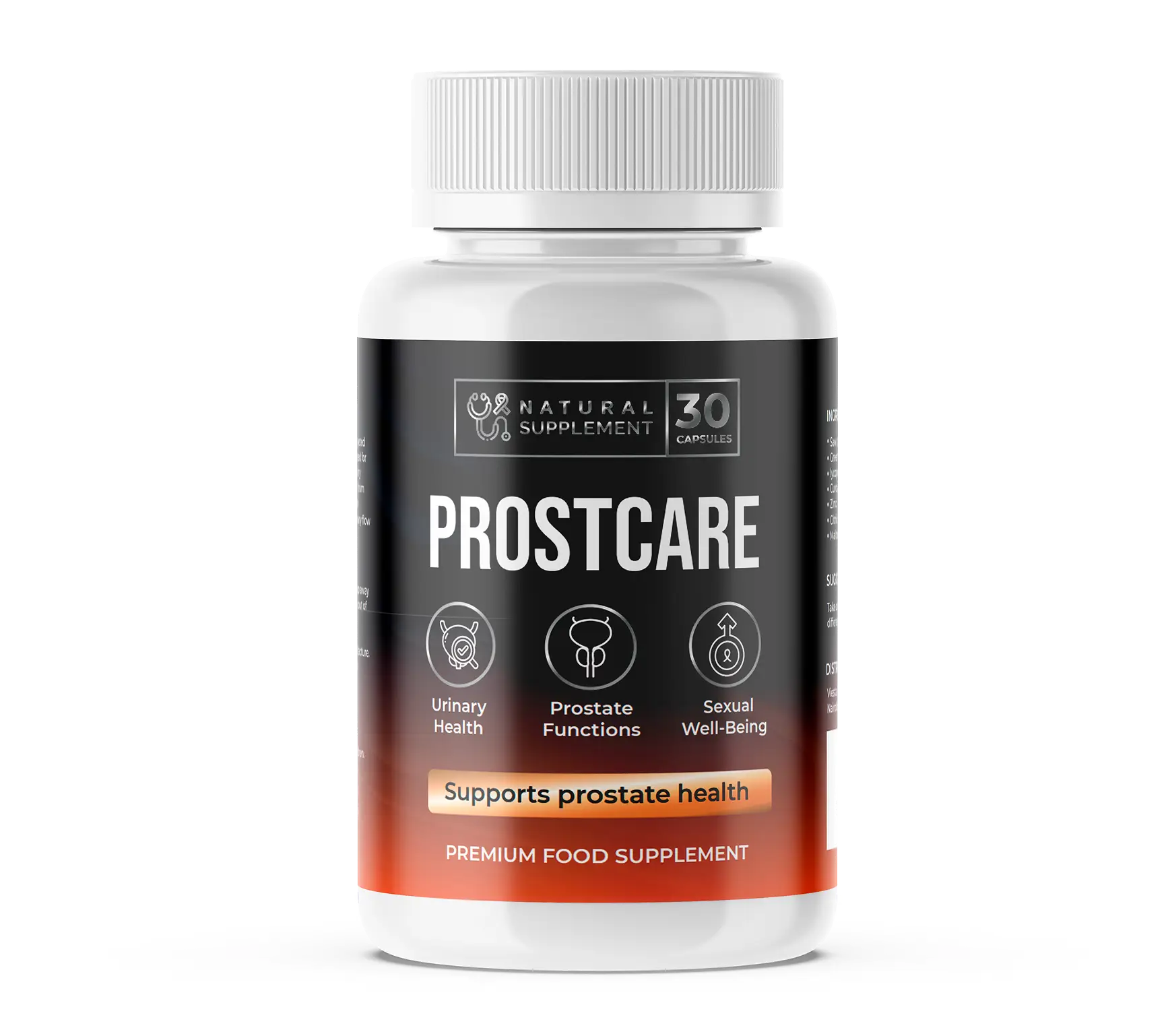
Prostcare
prostate health
Image of the product Prostcare
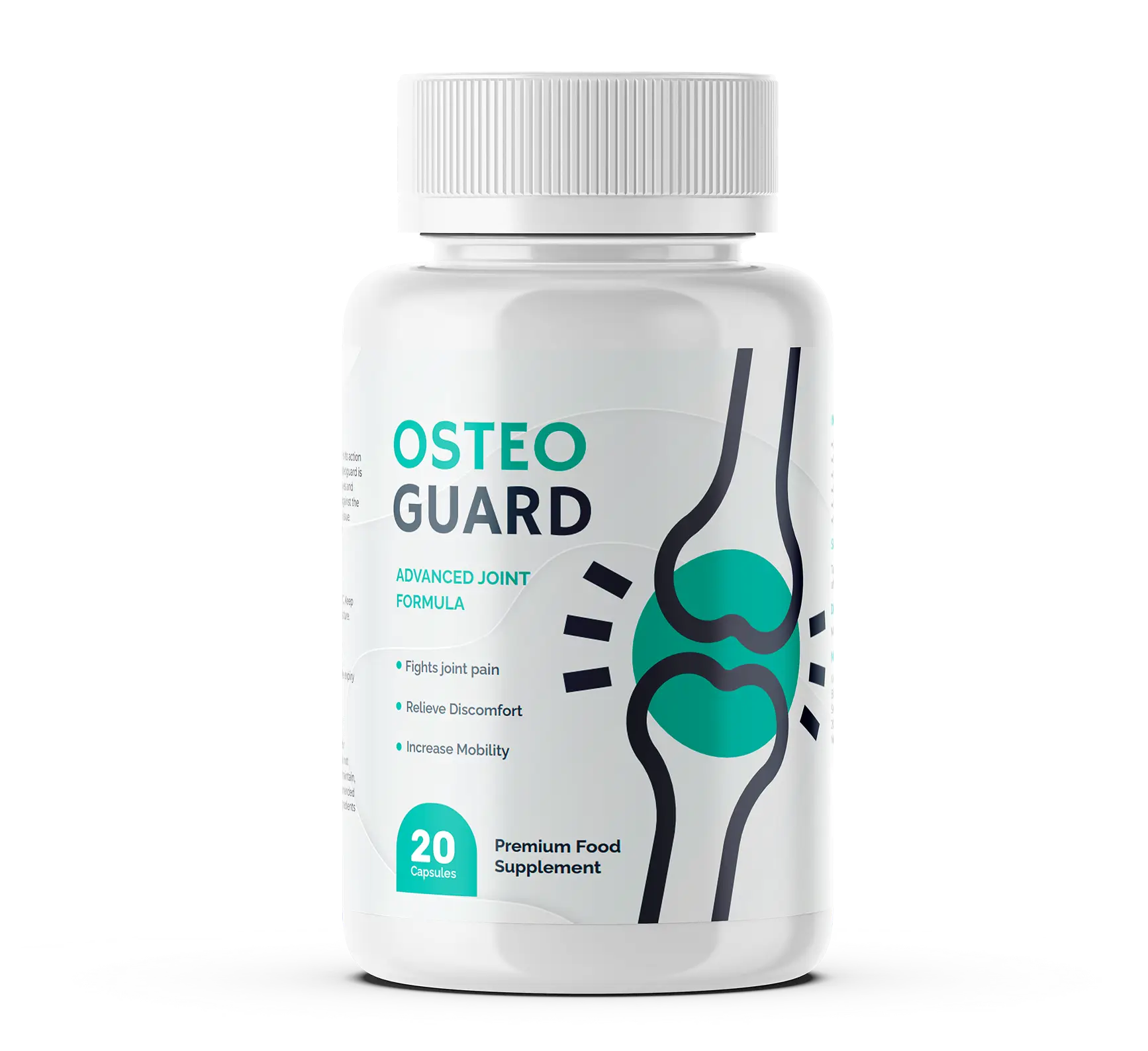
Osteoguard
joints
Image of the product Osteoguard

Sales potential by city

  • City
  • Population
  • Target audience
  • Orders / month
  • Nairobi
  • 5.8M
  • ≈435,000
  • 8,400
  • Mombasa
  • 1.6M
  • ≈120,000
  • 4,100
  • Nakuru
  • 0.4M
  • ≈30,000
  • 2,600
  • Kisumu
  • 0.4M
  • ≈30,000
  • 2,100
Cityscape

Our competitors: why INB.bio wins

MYDAWA

Advantages

Kenya’s first licensed online pharmacy with a wide product range.

Disadvantages

Strong focus on the pharmacy format, limited emotional connection with customers, and lack of personalization.

Check icon

Why INB.bio

Direct-to-consumer (D2C) sales, a local call center, and personalized customer consultations.

Healthy U Kenya

Advantages

A large network of physical stores plus an online platform.

Disadvantages

Prices are 40–60% above average; delivery takes several days.

Check icon

Why INB.bio

Lower prices, in-house production, and a local call center.

NeoLife Kenya

Advantages

International brand recognition and a wide range of dietary supplements.

Disadvantages

An MLM model and complex distribution system, with lower trust among consumers aged 50–60.

Check icon

Why INB.bio

An official D2C brand with no intermediaries, certified products, and 1–7 day delivery.

Reed Naturals Kenya

Advantages

Imported premium brands and fast online delivery.

Disadvantages

No local customer support and high prices.

Check icon

Why INB.bio

A local call center, in-house logistics, and affordable prices.

Forever Living Kenya

Advantages

A well-known brand with natural ingredients (aloe vera).

Disadvantages

Focus on lifestyle products rather than preventive nutra; high prices due to imports.

Check icon

Why INB.bio

100% natural ingredients, local production, and customer support based in Kenya.

INB.bio advantages in numbers

Approval rate

20–25%

Market average – 8–16%

Benefits icon

profit

Delivery

1–7 days

Market average – 5–7 days

Benefits icon

customer satisfaction

COD payment

100%

Market average – 65%

Benefits icon

orders

Local call center

Yes

Market average – No

Benefits icon

trust

Social media in Kenya: where to find customers

~20.5M social media users – 36% of the total population (or more than 60% of adult users)

Instagram

Instagram

≈6.6% of the population · ~4M

  • Target audience (55–57): ~50K
  • Use cases: lifestyle, beauty, short-form videos.
  • A platform for younger users; older audiences are barely active.
YouTube

YouTube

≈32% of the population · ~18.2M

  • Target audience (55–57): ~1.5–1.6M (≈2.6–2.8% of the population)
  • Use cases: educational and wellness videos, product reviews, expert advice.
  • Older users watch videos for longer and tend to trust expert-led content.
TikTok

TikTok

≈22% of the population · ~12.6M

  • Target audience (55–57): ~200K
  • Use cases: entertainment videos, music, trends.
  • A young audience with limited engagement with nutra products.
Facebook

Facebook

≈34% of the population · ~20.4M

  • Target audience (55–57): ~1.6M (≈2.8% of the population)
  • Use cases: news, health tips, and local brand pages.
  • The most popular platform among older audiences, with a high level of trust in advertising and health-related content.
Messenger

Messenger

≈29% of the population · ~17.8M

  • Target audience (55–57): ~0.9M (≈1.5% of the population)
  • Use cases: direct messages, consultations, and order confirmations.
  • The most convenient channel for direct communication between the brand and the customer.
Light bulb icon

Recommendations

  • Facebook is worth investing in as the primary sales and information channel for older audiences.
  • YouTube can also be used to build deeper engagement with the audience.
  • Not a priority: Instagram and TikTok – low share of users aged 50–60.

Real focus group insights: mindset and advertising perception in Kenya

We asked people directly – here’s what actually works.

Insights icon

Natural = trustworthy

People prefer supplements made with natural ingredients such as moringa, ginger, and baobab.

“I always check whether a product is plant-based. Chemicals cause allergies.”

– Grace, 56, Nairobi

How to use this insight: emphasize that the product is natural and safe for the body.

Insights icon

Real stories, real people

Older audiences trust ordinary people more than “experts in white coats.”

“When someone my age talks about it, I trust them more than when a doctor promotes it.”

– Marie, 55, Kisumu

How to use this insight: use photos and videos of local people in your ads.

Insights icon

Honesty and simplicity over big promises

“If they promise too much, I immediately stop believing it. I’d rather see a realistic result.”

– Joseph, 58, Mombasa

How to use this insight: keep copy simple and easy to understand, without claims of a “100% cure.”

Insights icon

Language – English

“I like it when the text is in English but sounds friendly, like a real conversation.”

– Peter, 57, Nakuru

How to use this insight: use simple English, a warm tone, minimal technical language, and a more human approach.

Insights icon

Visuals and colors

“White and light blue look clean and safe. Red feels like danger.”

– Lucy, 55, Nairobi

How to use this insight: use a calm color palette (white, green, light blue) and avoid aggressive colors.

Insights icon

What doesn’t work

  • Stock photos

“If I see unrealistic photos, I scroll past immediately.”

– Samuel, 58, Mombasa
  • Fake “experts” and complicated explanations
  • A patronizing tone – older people don’t like being told what to do.
  • Aggressive colors in advertising.
Insights icon

Focus group recommendations

  • Naturalness and a human approach are the key values
  • Authentic customer reviews
  • Light, natural, calming colors
  • Real people in photos and videos
  • Simple English with a clear message
  • Honest promises without exaggeration

Trust pyramid in Kenya

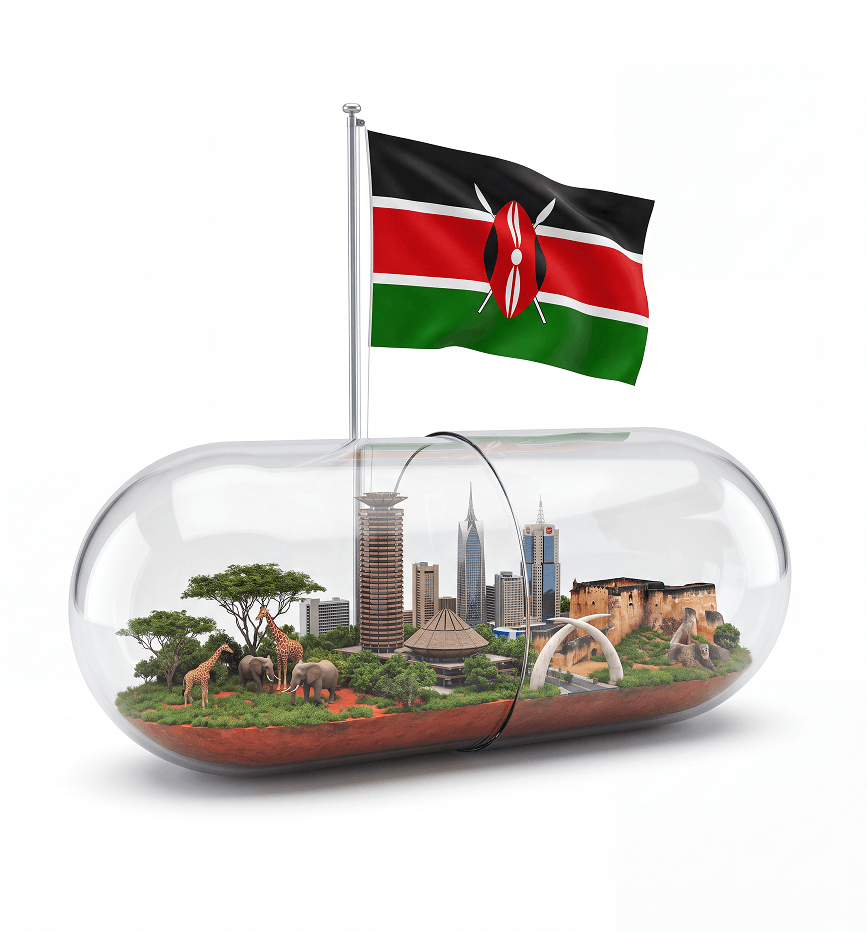
Capsule with flag of Kenya
Trust icon

Honest, simple communication

A gentle, respectful tone makes people feel cared for

Trust icon

Delivery in 1–7 days

People value reliability and speed

Trust icon

Local call center

A local operator = reassurance and greater confidence in the brand

Trust icon

Real reviews “from people like me”

Photos, names, and short personal stories work better than any ad

Trust icon

Cash on delivery (COD)

Customers don’t have to take a risk and only pay after checking the product

Trust icon

MSDS certification

Official confirmation of ingredient safety is the main sign of quality

INB.bio – your ready-to-run profit system

System icon

In-house production. Natural products with MSDS certification.

System icon

Delivery across Kenya in 1–7 days. COD / M-Pesa payments with no upfront risk.

System icon

Local call center. Kenyan operators speaking English and Swahili.

System icon

Ready-to-use creatives adapted for the Kenyan market.

System icon

A/B testing for better results.

System icon

Continuous optimization of materials based on performance data.

All you need to bring is traffic – we’ll take care of everything else

Sign up for a free 30-minute consultation and get:

  • Check icon

    An analysis of your traffic

  • Check icon

    An estimate of your potential profit in the Kenyan market

  • Check icon

    Answers to all your questions

FAQ

Do I need experience with African markets? Spollers Indicator
No. We support the entire launch process – from adapting creatives to handling logistics. All you need to provide is traffic.
How quickly can I launch traffic? Spollers Indicator
If there is available cap, you can get access to the offer the same day.
What is the minimum budget to get started? Spollers Indicator
You can start with $50–100 – enough to test 2–3 cities and get your first results within the first few days of launch.
Is it legal? Spollers Indicator
Yes. All products have Material Safety Data Sheet (MSDS) certification confirming the safety of their ingredients.
How is customer communication handled? Spollers Indicator
Orders are handled by our local call center in Kenya, where operators speak both English and Swahili.
How much does a lead cost in Kenya? Spollers Indicator
On average, less than $4 per lead thanks to strong Facebook conversion rates and a straightforward D2C sales model.